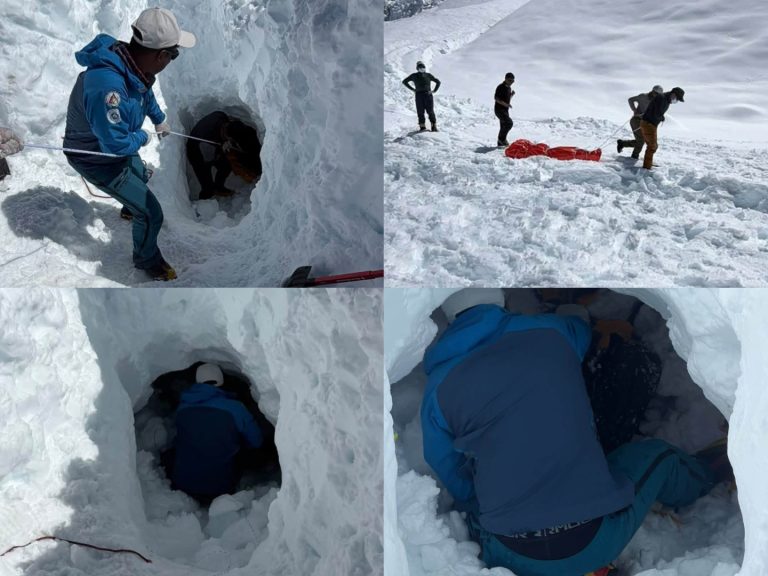
The long-awaited opening of the Khumbu Icefall route on Mount Everest has finally been achieved, ending days of mounting tension at Base Camp and allowing climbers to begin their ascent toward higher camps. A coordinated effort between the Expedition Operators Association of Nepal (EOAN) and the Sagarmatha Pollution Control Committee (SPCC) saw a joint rope-fixing team successfully reach Camp I on Tuesday morning, marking a major milestone in the 2026 spring climbing season.
The breakthrough came after a combined team of 13 experienced mountain guides from EOAN and eight seasoned icefall doctors from SPCC navigated the treacherous icefall section. The group included representatives from leading expedition companies such as Seven Summit Treks, Pioneer Adventure, 14 Peaks Expedition, 8K Expeditions, and TAG Nepal. Their collective expertise proved critical in overcoming one of the most technically challenging and dangerous sections of the Everest route.

According to EOAN field coordinator Lakpa Sherpa, the team has already begun pushing onward toward Camp II after reaching Camp I, indicating steady progress following the route opening. EOAN General Secretary Rishi Bhandari expressed gratitude to both teams, acknowledging their perseverance under difficult and uncertain conditions. However, Sherpa cautioned that the exact stability of a large hanging serac near the Western Cwm will only be fully assessed once the team safely returns to Base Camp.
What Delayed the Route Opening
This year’s route opening was one of the most closely monitored in recent Everest seasons, arriving roughly eight days later than in 2025, when the icefall passage was ready by April 17. Preparations had begun well in advance, with SPCC signing the contract for route setup on January 20, 2026. By late February, all essential equipment, including ropes, ladders, and safety gear, had been transported to Base Camp.
The icefall doctor team was officially deployed on February 29 and arrived at Base Camp by March 4. They underwent advanced refresher training through the Khumbu Climbing School, focusing on mountaineering techniques, rescue operations, and crevasse response. Formal route work commenced after the traditional Puja ceremony on March 16.
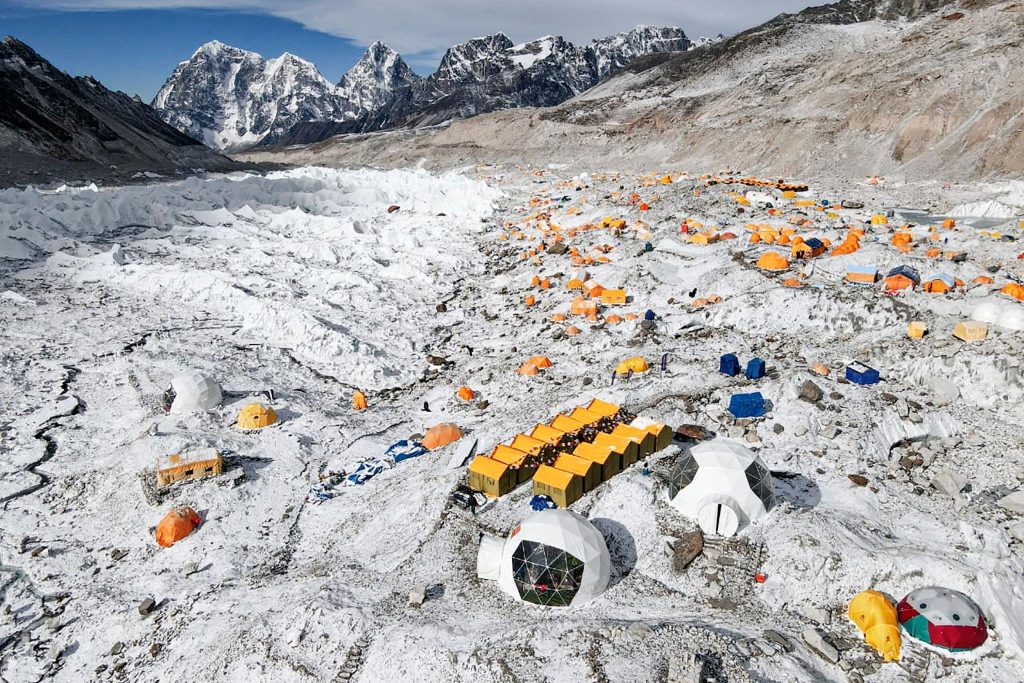
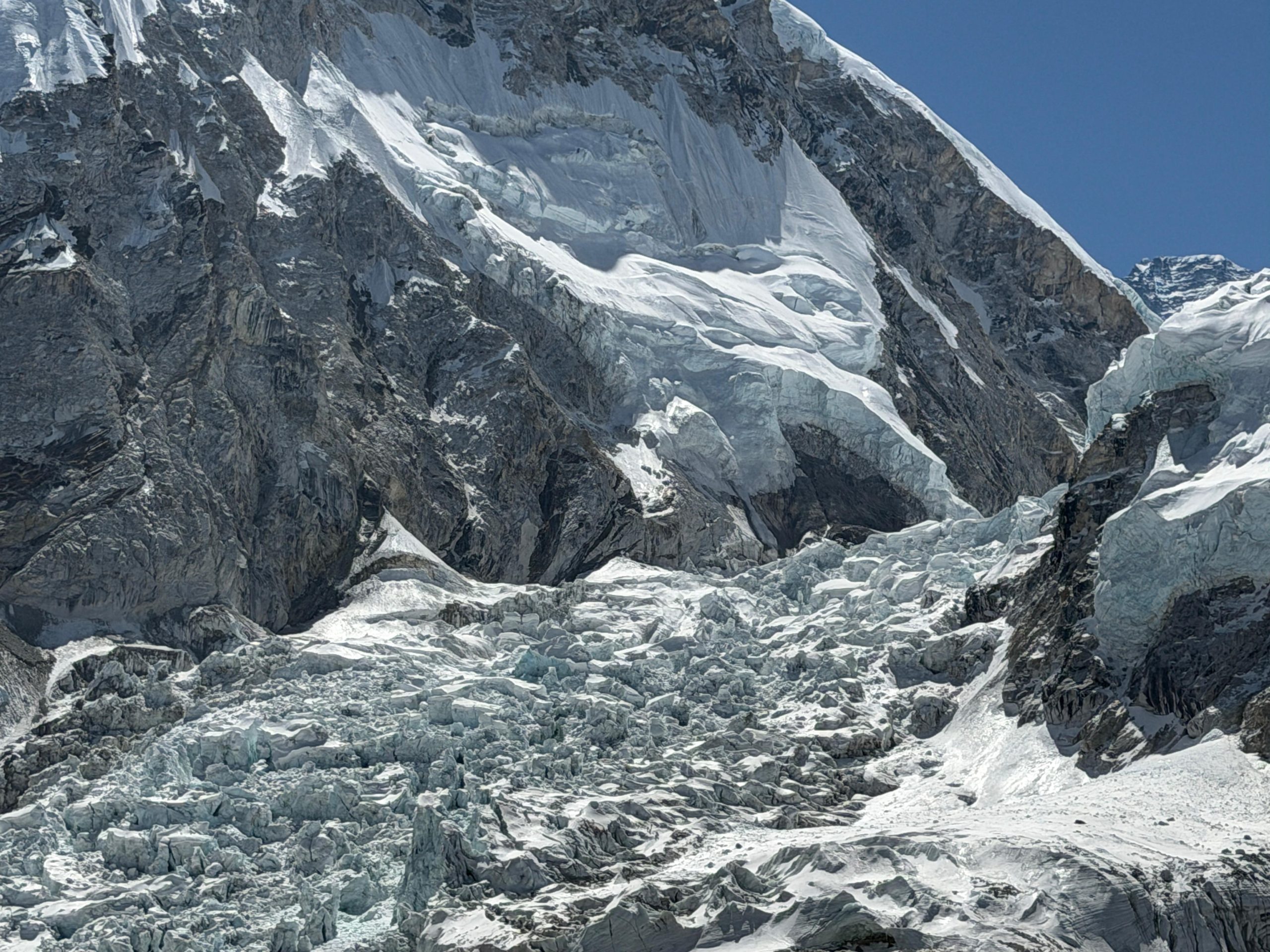
However, progress through late March was repeatedly hindered by harsh weather conditions, including strong winds and heavy snowfall. By mid-April, the team had managed to establish the route up to the Rockfall Area below Camp I, but a massive unstable ice serac remained a major obstacle.
Inspections revealed that a widening gap within the serac, expanding from approximately three feet to eight feet, posed a serious risk of collapse. SPCC officials interpreted this as a warning sign and opted for a cautious approach, delaying further progress until conditions improved. A helicopter reconnaissance mission on April 25, led by senior Sherpa climbers, sought to identify a safer alternative path, but initial findings suggested continued instability.
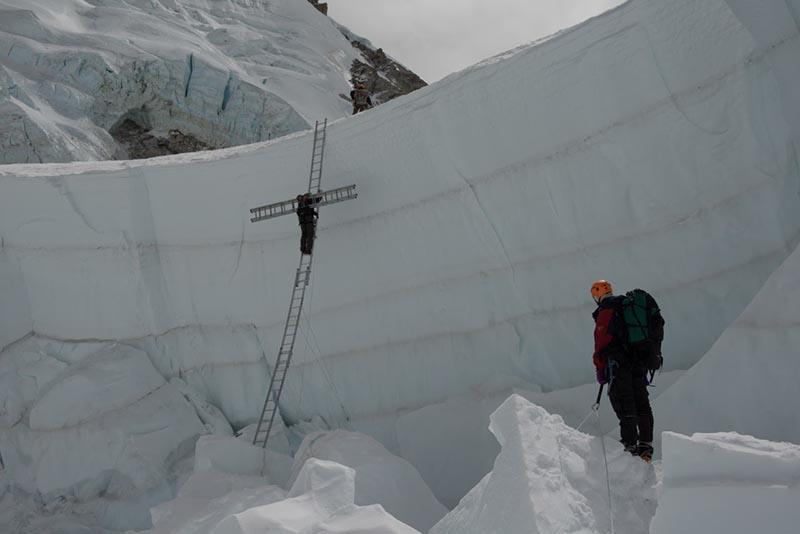
The situation shifted when an independent team from Imagine Nepal, Elite Expeditions, and Altipro, accompanied by Polish climber Bartek Ziemski, made an uncoordinated push above the contested section. Their assessment indicated safer-than-expected conditions, prompting authorities to reassess the route. A follow-up inspection by SPCC and EOAN teams confirmed improved safety, leading to Monday’s successful push that ultimately opened the passage.
A Promising but Crowded Climbing Season Ahead
With the Khumbu Icefall route now operational, attention has turned to what is expected to be a busy and potentially challenging climbing season. As of April 27, Nepal’s Department of Tourism has issued permits to 996 climbers across 116 expeditions on various Himalayan peaks, generating over USD 7.2 million (approximately Rs 1.07 billion) in royalties.
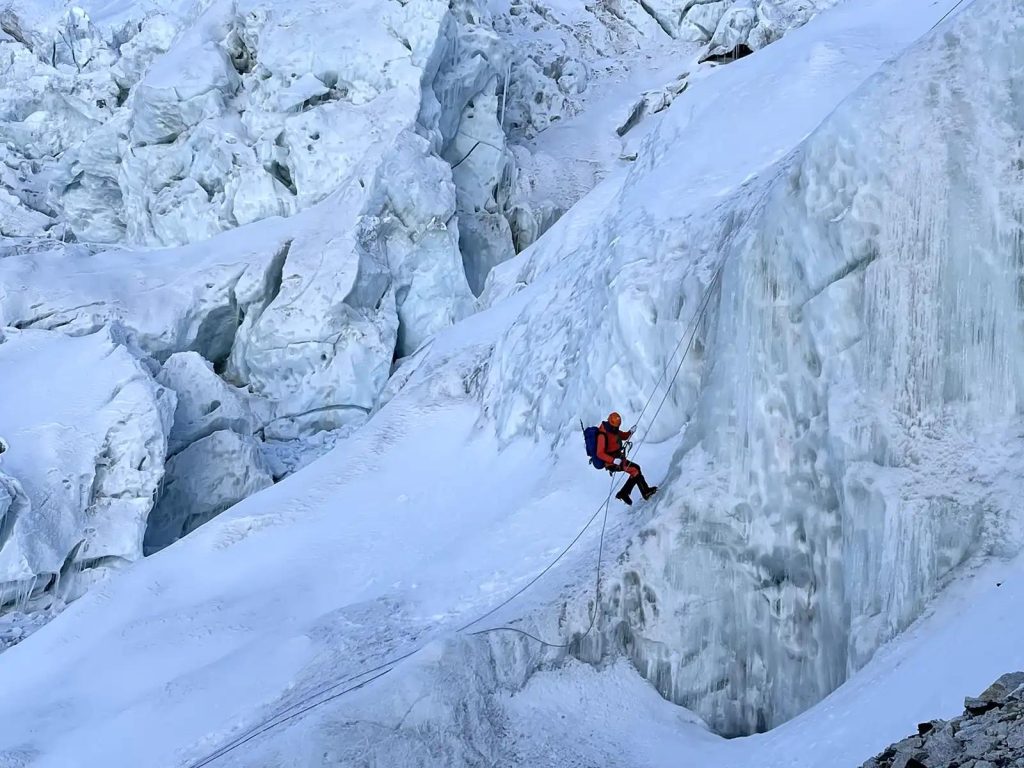
Everest remains the most sought-after destination, with 425 climbers across 42 teams preparing to attempt the summit. Other major peaks attracting climbers include Lhotse, Ama Dablam, and Makalu, reflecting the continued global appeal of Nepal’s mountaineering industry.
International participation is also significant, with climbers from 77 countries securing permits. China leads the number of Everest climbers, followed by the United States, India, the United Kingdom, and Russia, highlighting the mountain’s enduring global magnetism.
Authorities had previously considered contingency plans, including airlifting supplies directly to Camp II and potentially extending the climbing season beyond the traditional May 29 deadline, amid fears that delays could result in dangerous congestion during the narrow summit window. However, with the icefall route now open, these measures may no longer be necessary, though no formal decision has been announced.

Extensive coordination has underpinned this year’s preparations. Multiple inter-agency meetings held in March brought together key stakeholders, including SPCC, EOAN, TAAN, and other mountaineering bodies, to ensure a safe and efficient start to the season.
With more than 500 climbers and support staff expected to pass through the Khumbu Icefall daily at peak times, safety remains the top priority. The cautious and calculated approach taken this year underscores the high risks involved and the critical importance of timing, teamwork, and expert judgment in one of the world’s most extreme environments.