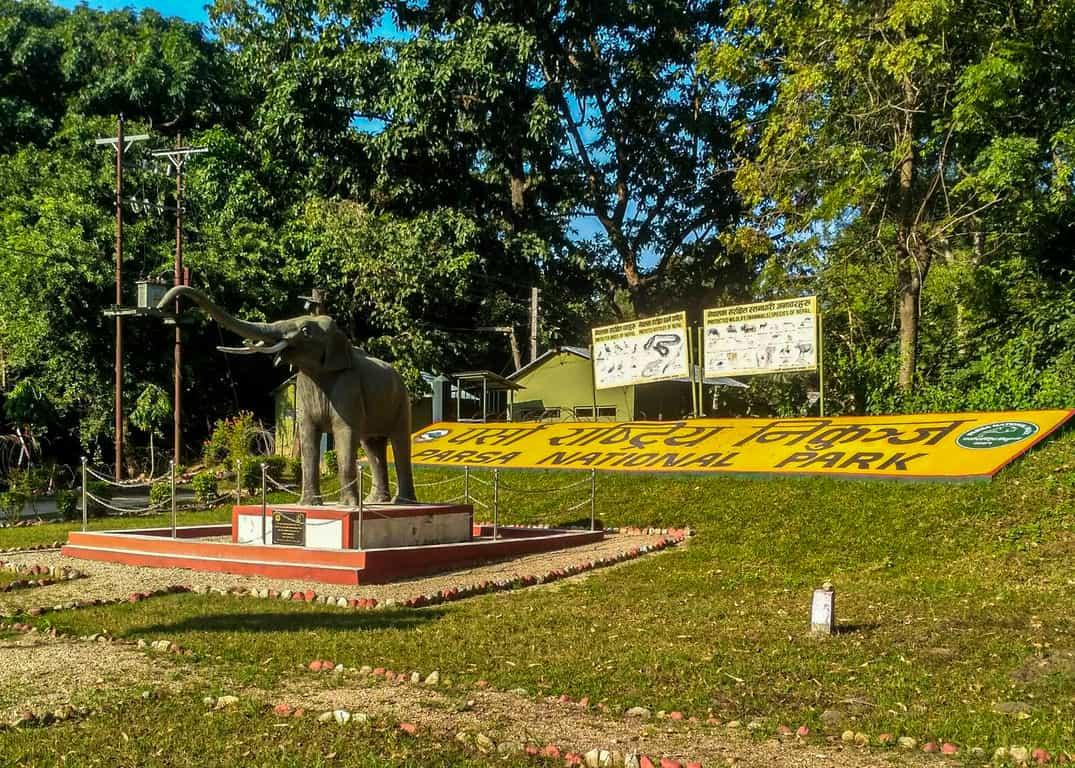
Visitor numbers to Parsa National Park, considered a major habitat of Nepal’s native wild elephants, have been steadily increasing, reflecting a growing interest among both domestic and international tourists. Known for its rich biodiversity and scenic natural landscapes, the park has seen a notable rise in visitors, particularly from neighboring India, alongside a strong flow of Nepali travelers.
Officials attribute the increase to the park’s expanding tourism potential and gradual infrastructure development. Declared Nepal’s 12th national park in 2017 (2074 BS), the protected area spans across Parsa, Bara, and Makwanpur districts and has been opened to both domestic and foreign visitors. According to Information Officer Santosh Kumar Bhagat, the trend in recent years shows a steady rise in arrivals compared to the past. He noted that while foreign visitors do come, domestic tourists still make up the majority of park visitors.

During the first nine months of the current fiscal year 2082/83, the park recorded a total of 413 visitors. Among them were 14 tourists from SAARC countries and one visitor from outside the SAARC region. On average, the park receives around 1,000 visitors annually. The peak tourist season typically falls between Kartik and Chaitra (October to March), while visitor numbers decline sharply during the monsoon months from Baisakh to Asoj (April to September), when heavy rainfall limits accessibility and travel activities.
Natural and Cultural Attractions Drawing Tourists to Parsa National Park
Parsa National Park offers a diverse mix of natural beauty, wildlife, and cultural and historical sites, making it an attractive destination for a wide range of visitors. The Parsa National Park contains important sites such as the Maya Temple and Dugdheshwar Mahadev Temple, which add cultural and spiritual significance to the travel experience.
In addition, natural water bodies like Kamini Dah, Halkhoria Dah, and Lauki Dah have emerged as major attractions, offering serene environments for sightseeing and relaxation. Visitors are particularly drawn to the Parsa National Park’s lush greenery, tranquil landscapes, and the opportunity to observe wildlife in their natural habitat.
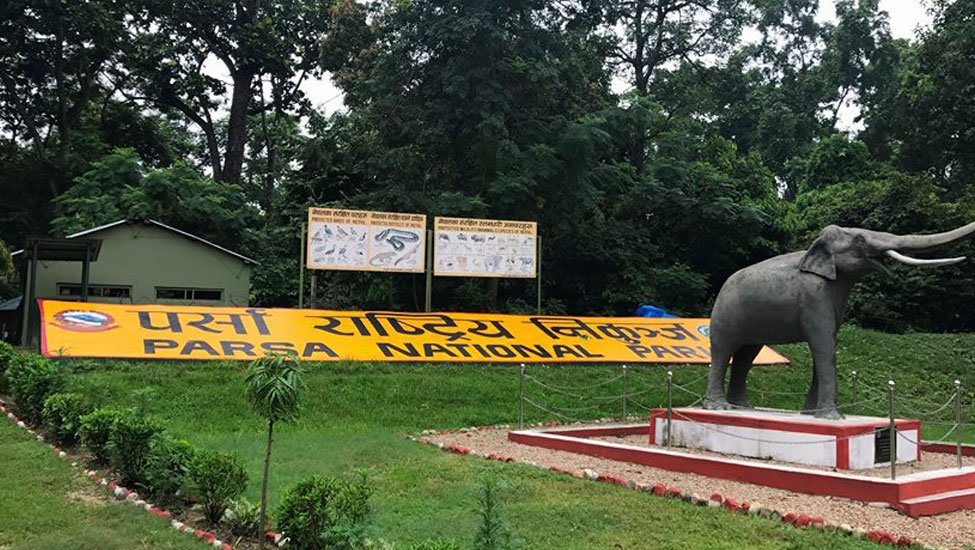
Resident Subash Budhathoki shared that tourists visiting the Parsa National Park often explore the jungle area and participate in an elephant safari, which remains one of the most popular activities. The combination of wildlife encounters and peaceful surroundings has made the park increasingly appealing to nature lovers and adventure seekers alike.
Conservation Efforts Boost Wildlife Population
Efforts to improve wildlife conservation within the park have also contributed to its rising appeal. One of the major challenges in the area had been water scarcity, which affected both wildlife and ecosystem sustainability. To address this issue, park authorities constructed artificial ponds at various locations and ensured regular water supply through tankers.
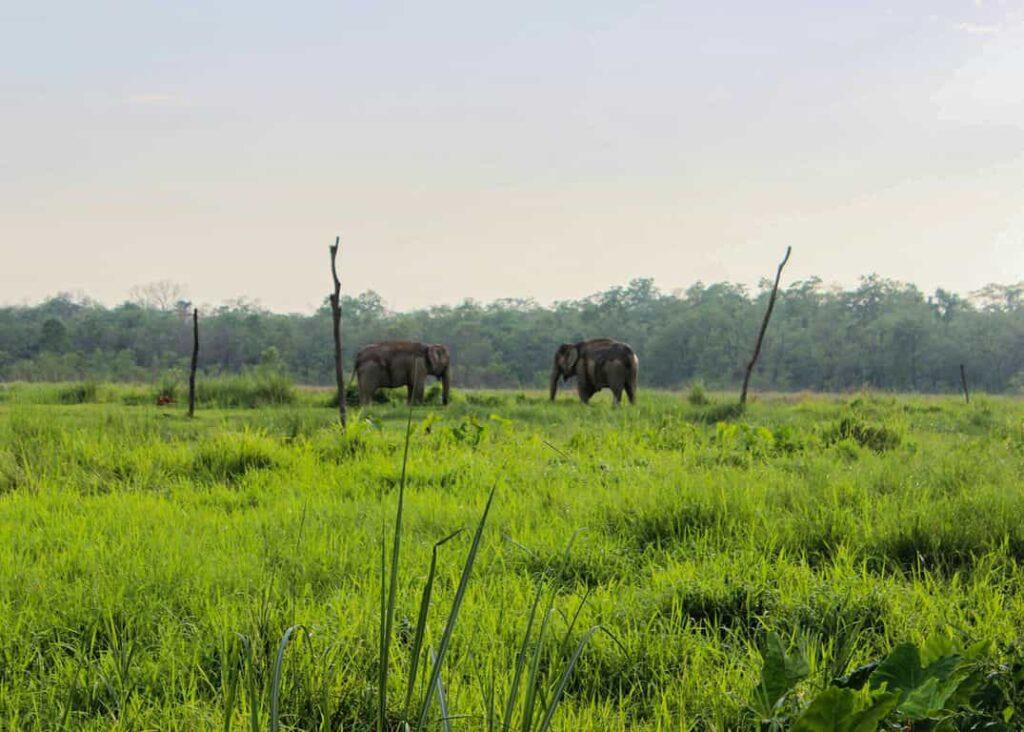
These measures have had a positive impact on wildlife populations. According to the latest census, the number of Bengal tigers in the park has reached 41, indicating a steady recovery and improved habitat conditions. Park Chief Ramchandra Khatiwada stated that the construction of artificial water sources has played a crucial role in increasing wildlife presence across the area.
Covering an area of 627.39 square kilometers, the park is home to an impressive range of biodiversity. It shelters 37 species of mammals, including rare and endangered animals such as tigers, rhinoceroses, elephants, leopards, sloth bears, wild dogs, nilgai, and gaur. Additionally, the park supports 490 species of birds, 13 species of reptiles, and 31 species of butterflies, making it a vital ecological zone in Nepal’s conservation landscape.
Infrastructure Development and Future Plans
To enhance the visitor experience, the park has invested in tourism infrastructure, including the construction of around a dozen viewing towers within the forest area. These towers allow visitors to safely observe wildlife and enjoy panoramic views of the surrounding landscape.

For jungle safaris, the park maintains about a dozen elephants at its elephant stable, enabling guided elephant rides in the forest. At the same time, visitors who prefer not to opt for an elephant safari can explore designated “fire-line” tracks using private vehicles, ensuring flexibility in how tourists experience the park. Entry fees have been set at Rs 100 for Nepali visitors, Rs 750 for tourists from SAARC countries, and Rs 1,500 for other foreign nationals. Jeep safari services cost Rs 2,500, while an annual guide fee has been fixed at Rs 1,500.
Park authorities have stated that efforts are underway to promote the park as a major tourism destination in Madhesh Province. Alongside infrastructure development, increased advertisement and awareness campaigns are being prioritized to attract more visitors in the coming years. With its growing popularity, improved conservation measures, and ongoing development initiatives, Parsa National Park is steadily emerging as an important tourism hub, offering a unique blend of wildlife, nature, and cultural heritage in Nepal’s southern plains.