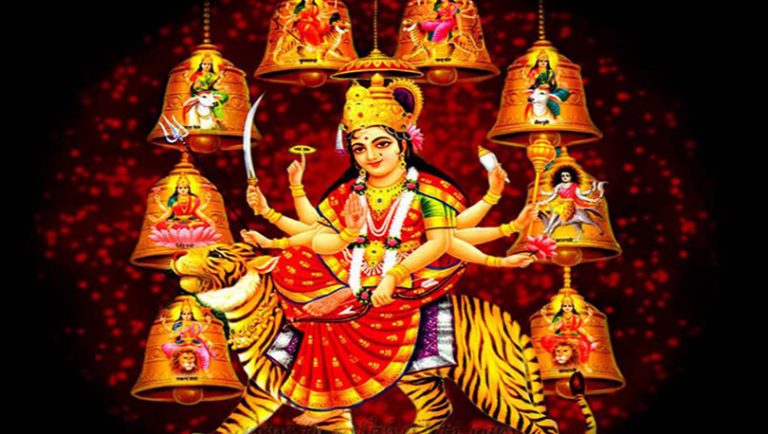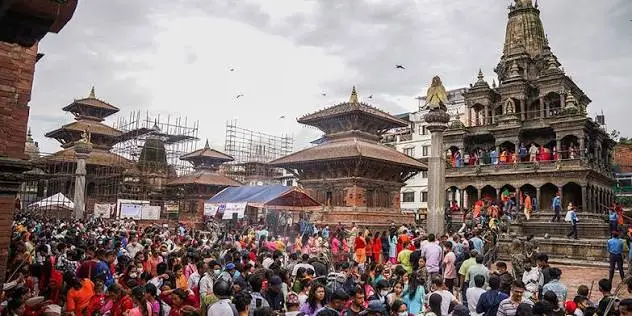
Krishna Janmashtami is one of Nepal’s most vibrant Hindu festivals, marking the birth of Lord Krishna, one of the most revered manifestations of Lord Vishnu. Celebrated on the eighth day of the dark fortnight of Bhadra, the festival brings devotees to temples and shrines across the country for prayers, fasting, devotional singing, offerings, and midnight celebrations.
For travellers, however, Krishna Janmashtami represents more than a religious occasion. It is an opportunity to experience Nepal’s living heritage, where centuries-old temples remain active centres of worship and where faith is deeply intertwined with architecture, music, traditional communities and local culture.
The Nepal Tourism Board identifies Krishna Mandir in Patan Durbar Square as the centre of Krishna Ashtami celebrations in Kathmandu Valley, where large numbers of devotees gather throughout the day and into the night. From historic Patan to Kathmandu’s modern devotional centres and the religious landscape of Janakpurdham, these destinations offer different perspectives on Krishna worship and Nepal’s diverse spiritual traditions.
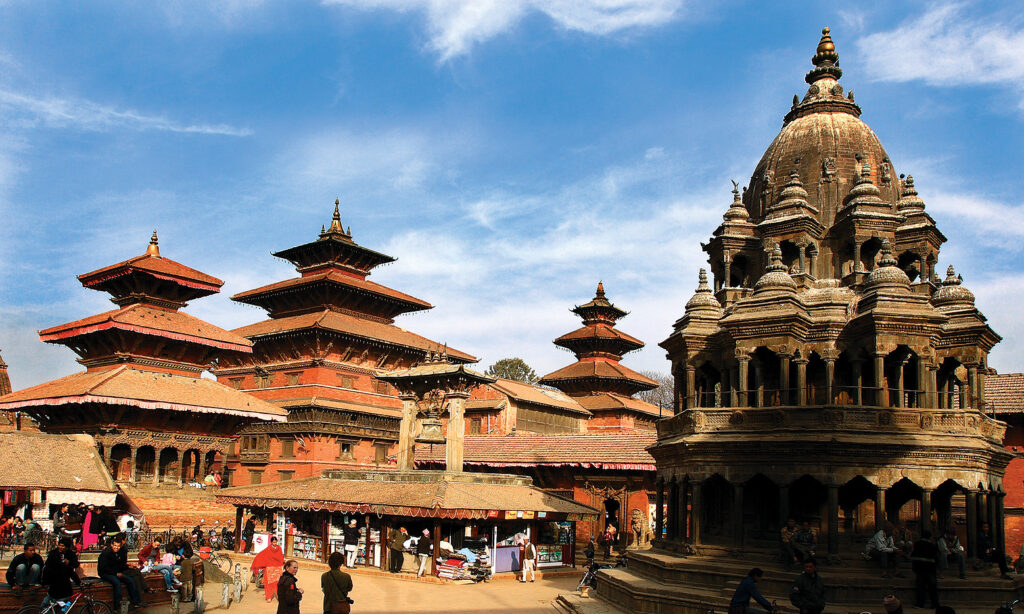
Patan Durbar Square, Lalitpur: The Epicentre of Krishna Janmashtami
For anyone wishing to experience Krishna Janmashtami in Nepal, Patan Durbar Square remains the most iconic destination. At the heart of this UNESCO World Heritage Site stands the magnificent Krishna Mandir, a 17th-century stone temple that has become synonymous with Janmashtami celebrations in Nepal.
Built in 1637 during the reign of King Siddhi Narsingh Malla, the temple is remarkable for its three-storey Shikhara-style architecture and 21 gilded pinnacles. Unlike many traditional temples in Kathmandu Valley that primarily use brick and timber, Krishna Mandir was constructed entirely from stone. The Nepal Tourism Board describes it as one of the finest examples of Shikhara-style architecture in Nepal.
During Janmashtami, the historic square takes on a completely different atmosphere. Devotees arrive throughout the day to offer prayers and flowers, while the temple and surrounding areas become filled with devotional songs, religious chants, and lamps. As midnight approaches, the traditionally celebrated moment of Krishna’s birth, the religious atmosphere becomes even more intense, with devotees gathering for prayers and worship.
For tourists, Patan offers a rare combination of religion, architecture, art, and history in one setting. Visitors can explore the wider Durbar Square, its palace courtyards, temples and traditional Newari architecture while witnessing one of Nepal’s most important religious celebrations.
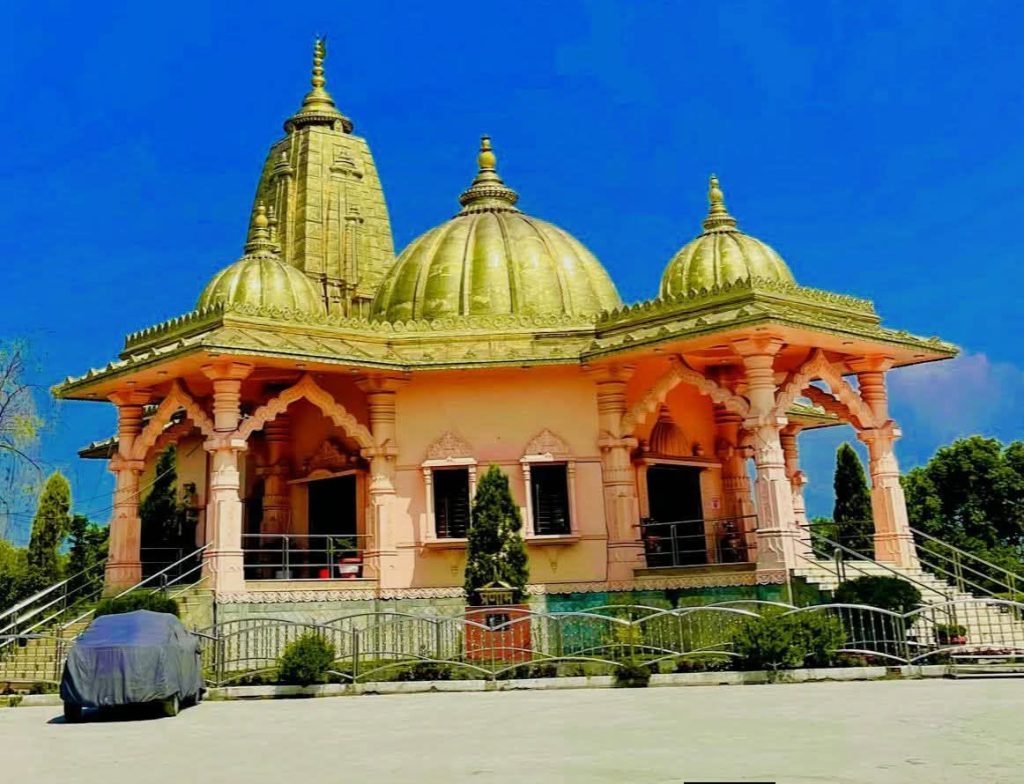
Navatan Dham, Kathmandu: A Centre of Krishna Pranami Devotion
Away from the historic monuments of Patan, Shree Krishna Pranami Mandir at Gothatar, commonly known as Navatan Dham, offers another dimension of Krishna devotion in Kathmandu. The temple is associated with the Pranami tradition, providing devotees with a contemporary spiritual space centred on Krishna worship. During Janmashtami, the temple becomes a gathering place for devotees who come together for prayers, devotional activities, and celebrations marking Krishna’s birth.
Unlike Patan’s centuries-old heritage setting, Navatan Dham allows visitors to experience a more contemporary expression of Hindu spirituality. Its importance lies not only in its religious activities but also in the way it brings together a community of devotees around Krishna consciousness and spiritual practice. For cultural travellers, a visit to Navatan Dham can complement the experience of Patan by showing that Krishna worship in Nepal is not confined to historic monuments. It continues to evolve through active religious communities and modern places of worship.
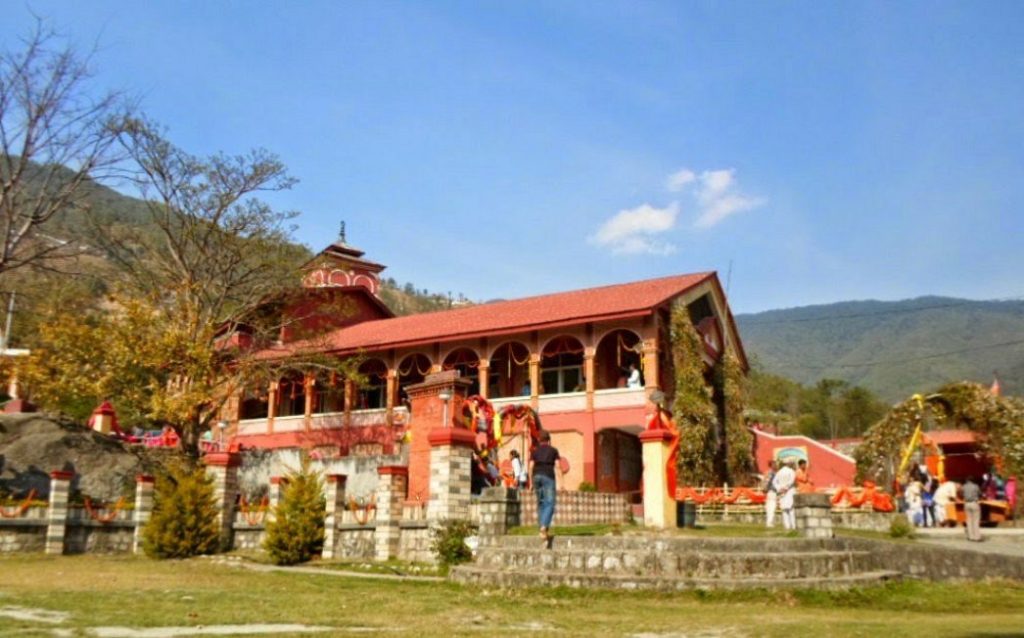
ISKCON Centres in Budhanilkantha and Swayambhu: Krishna Devotion in a Global Setting
The International Society for Krishna Consciousness (ISKCON) has also contributed to the growing religious and cultural landscape surrounding Krishna worship in Nepal. Its centres in Kathmandu, including those associated with Budhanilkantha and Swayambhu, provide spaces where Krishna devotion is expressed through chanting, spiritual discourse, devotional music and community activities.
Janmashtami is particularly significant for ISKCON communities worldwide, and the celebrations offer visitors an opportunity to experience Krishna worship through the distinctive traditions of the movement. The emphasis on kirtan, devotional singing, and collective participation creates an atmosphere that can be quite different from the traditional temple rituals found at Patan.
The Budhanilkantha area itself is also significant within Kathmandu’s wider Hindu religious landscape. Combining a visit to an ISKCON centre with other religious and cultural attractions in the valley can give travellers a broader understanding of Nepal’s contemporary spiritual life. For international visitors, these centres also provide an interesting meeting point between Nepal’s local religious traditions and a global Krishna-consciousness movement.
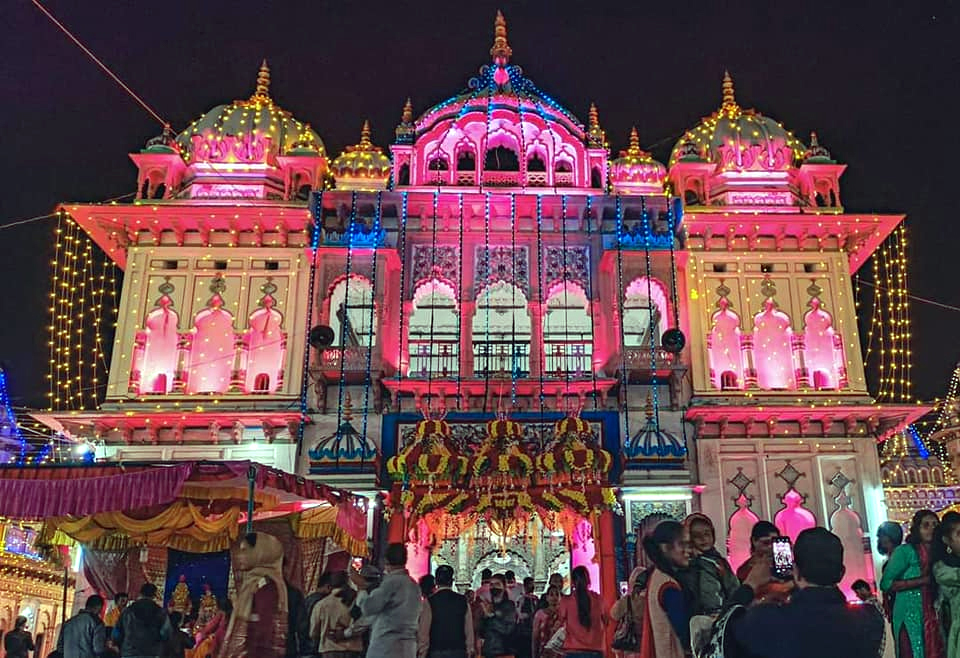
Janakpurdham, Terai Region: Krishna Janmashtami in a Sacred Cultural Landscape
Further south, Janakpurdham offers travellers a completely different cultural setting. The city is best known as an important Hindu pilgrimage destination associated with Goddess Sita and the Ramayana, rather than being primarily identified with Krishna worship. Nevertheless, Janmashtami is observed in the wider religious landscape of the Terai, where Hindu festivals are celebrated with strong community participation.
Janakpurdham’s religious importance, vibrant Maithili culture, traditional art, and elaborate festivals make it an important destination for travellers interested in Nepal’s broader faith-tourism circuit. The city’s famous Janaki Mandir draws pilgrims from Nepal and India throughout the year, while its cultural environment provides insight into the religious traditions of the southern plains.
Including Janakpurdham in a Krishna Janmashtami-themed journey therefore allows visitors to look beyond a single deity or temple and understand the wider network of Hindu pilgrimage and cultural traditions in Nepal. For travellers interested in faith tourism, Janakpurdham can also be combined with other destinations in the Terai to explore the region’s religious heritage, cuisine, architecture, festivals and cross-border cultural connections.
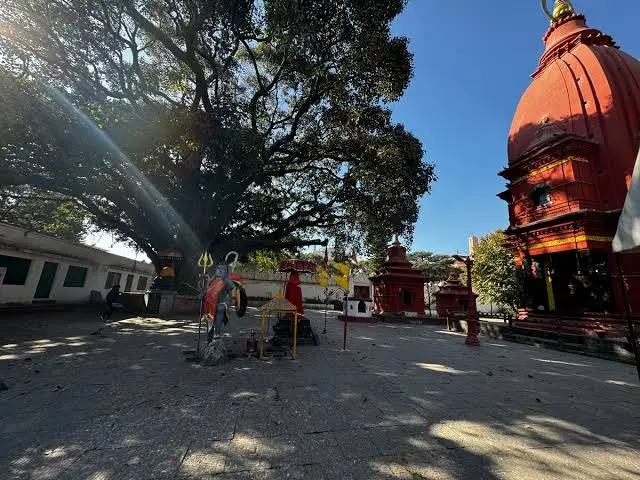
Narayanhiti Krishna Mandir, Kathmandu: A Longstanding Urban Shrine
Another important destination for Krishna devotees in Kathmandu is Narayanhiti Krishna Mandir. Situated in the heart of the capital, the temple becomes a place of devotion during Krishna Janmashtami as worshippers gather to observe the festival and offer prayers.
The temple is among Kathmandu’s Krishna shrines that contribute to the city’s rich religious landscape. While it may not have the monumental architectural profile of Patan’s Krishna Mandir, its importance comes from its connection with local devotional practice and its place within the religious life of Kathmandu. For visitors staying in the capital, Narayanhiti Krishna Mandir can provide an opportunity to experience Janmashtami closer to the everyday urban environment of Kathmandu, complementing the much larger celebration at Patan.
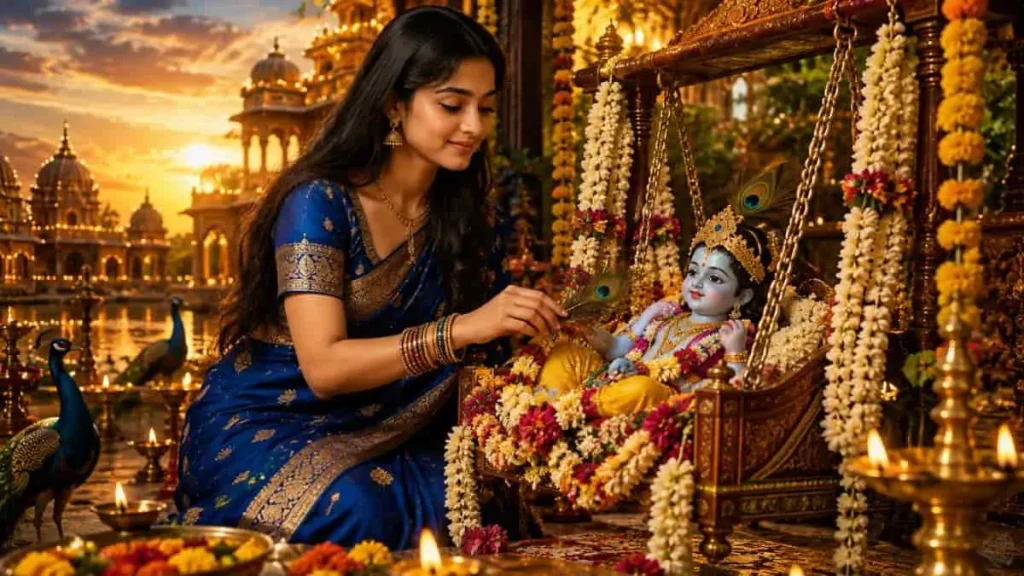
Why Krishna Janmashtami Matters to Tourism
Nepal is often internationally associated with the Himalayas, Everest and trekking, but its tourism identity extends far beyond adventure. Festivals such as Krishna Janmashtami demonstrate the country’s potential for cultural, spiritual and faith-based tourism.
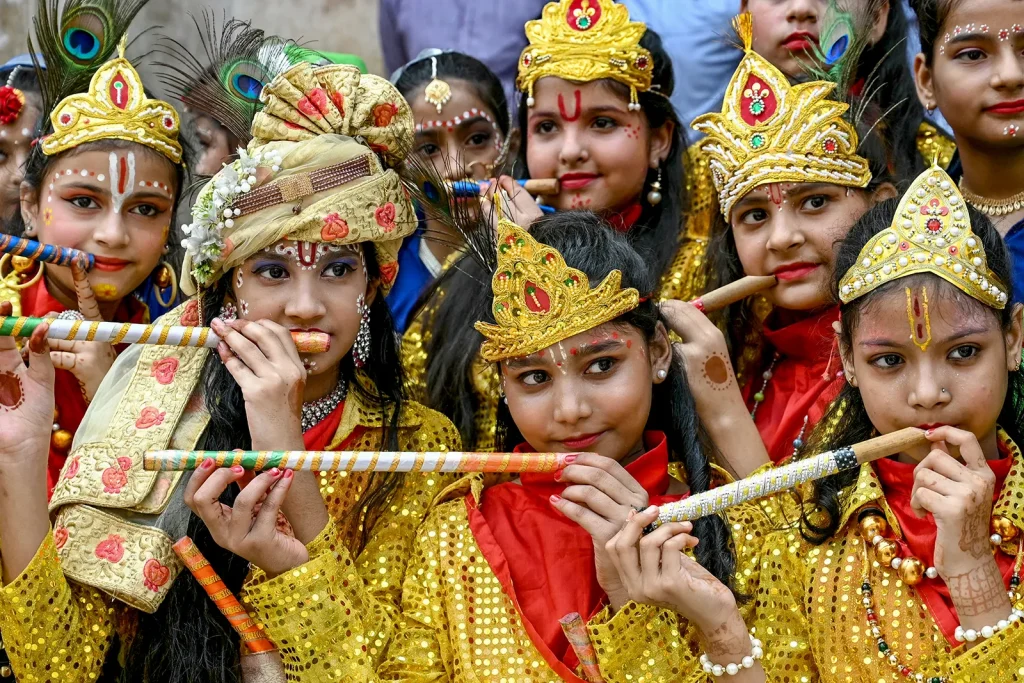
The festival transforms temples and historic neighbourhoods into vibrant cultural spaces. Devotional songs fill the air, devotees gather for prayers, traditional rituals continue through the night, and historic temples become the centre of community life. At Patan, in particular, the festival creates a powerful connection between religious devotion and architectural heritage. This provides international visitors with an experience that cannot be replicated simply by visiting a monument during an ordinary day. Janmashtami allows travellers to see how Nepal’s heritage is actively practised and preserved by its communities.
A Journey Beyond Conventional Sightseeing
A Krishna Janmashtami journey through Nepal can take visitors from the stone-carved splendour of Patan Durbar Square to the contemporary devotional environment of Navatan Dham, from ISKCON’s global Krishna-consciousness community to the religious and cultural richness of Janakpurdham.
Each destination offers a different experience. Patan represents historic architecture and large-scale public devotion; Navatan Dham reflects the Pranami tradition; ISKCON centres demonstrate contemporary and globally connected Krishna worship; Janakpurdham introduces the wider religious culture of the Terai; and Narayanhiti Krishna Mandir provides a more intimate urban devotional experience. Together, these places demonstrate that religion and tourism in Nepal are not separate worlds. They intersect through temples, festivals, architecture, music, community traditions, and pilgrimage.
Experiencing Janmashtami Respectfully
For international visitors, experiencing Krishna Janmashtami is an opportunity to participate in Nepal’s cultural atmosphere, but it also requires sensitivity. Many of the sites remain active places of worship rather than conventional tourist attractions. Travellers should dress respectfully, follow temple rules, avoid disturbing worshippers during rituals, and seek permission before taking photographs of people or religious ceremonies. At particularly crowded sites such as Patan Durbar Square, visitors should also expect large gatherings, especially around the evening and midnight celebrations.
Faith, Heritage and Tourism Come Together
Krishna Janmashtami shows another side of Nepal, one where religion is not confined to history books or museum displays but remains deeply embedded in everyday life. From the 17th-century Krishna Mandir of Patan to the devotional communities of Navatan Dham and ISKCON, and from the sacred cultural landscape of Janakpurdham to Narayanhiti Krishna Mandir, the festival offers travellers multiple ways to explore Nepal through faith and culture.
For visitors seeking more than mountains and adventure, Krishna Janmashtami provides a chance to discover Nepal as a land of living traditions, sacred architecture, and vibrant community celebrations. And perhaps that is the real attraction: in Nepal, faith is not simply something to see, it is something to experience.