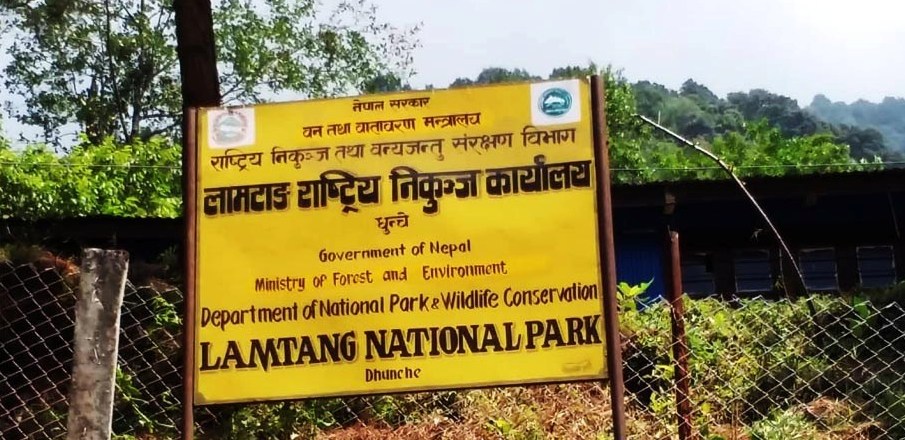
The Langtang National Park has observed its 11th Wildlife Week by organizing a series of awareness-focused activities aimed at promoting wildlife conservation and ensuring human safety in and around protected forest areas.
Weeklong Campaign Focused on Conservation Awareness in Langtang National Park
The weeklong program featured a range of activities, including public awareness rallies, lectures, group discussions, and jungle safaris. The events were designed to highlight the importance of forests, wildlife, biodiversity, and the growing challenges of human-wildlife conflict in Himalayan conservation areas. Officials said the campaign focused on encouraging coexistence between local communities and wildlife while strengthening protection measures for fragile ecosystems within the park.

Participation from Multiple Stakeholders
The programs saw active participation from residents, elected representatives, conservation organizations, park officials, and personnel from the Nepali Army involved in wildlife protection duties in the Langtang National Park. Discussions throughout the week emphasized the shared responsibility of safeguarding biodiversity while ensuring that human activities in forest areas remain safe and regulated. Participants also engaged in field-based learning activities such as guided jungle safaris, which helped raise awareness about native species and conservation challenges.
Emphasis on Safety and Permit System
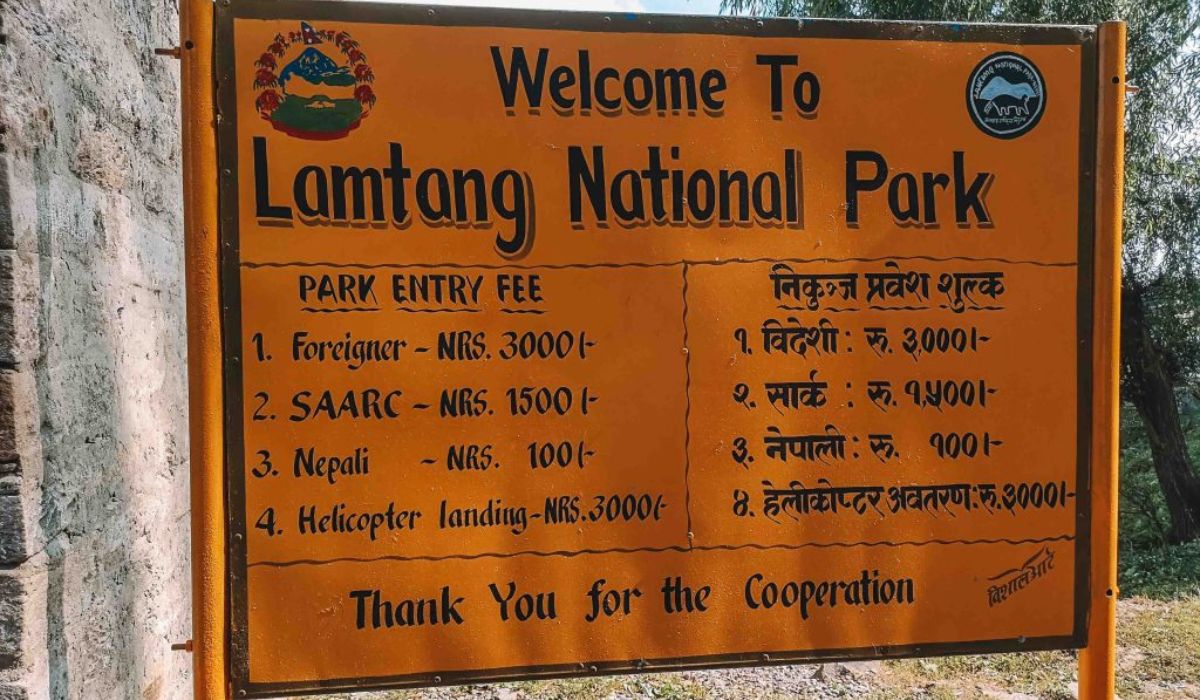
A key message delivered during the awareness programs was the importance of obtaining proper entry permits from park authorities before entering forest areas within the Langtang National Park boundary. Officials stressed that unauthorized entry not only poses risks to visitors but also disturbs wildlife habitats. Locals and visitors were urged to follow safety precautions, maintain respectful behavior towards wildlife, and avoid actions that could trigger human-wildlife conflict. Authorities also highlighted practical safety measures for people entering forest zones, particularly in remote and high-risk areas where encounters with wild animals may occur in Langtang National Park.
Call for Collective Conservation Efforts
Senior Conservation Officer at LNP, Shyam Kumar Sah, said the Wildlife Week was aimed at building a unified conservation campaign involving local communities and stakeholders. “We are working toward a common campaign to conserve wild animals and plants while ensuring human safety,” Sah said. He emphasized that long-term conservation success depends on strong cooperation between park authorities and communities living around protected areas. He added that awareness programs like Wildlife Week play a crucial role in reducing conflict and strengthening the understanding of ecological balance.
Ongoing Biodiversity Protection Efforts
Ranger Keshav Dhodari noted that the park continues to implement various activities to protect and promote biodiversity within its territory. According to him, conservation efforts are ongoing throughout the year, including habitat protection, wildlife monitoring, and community engagement programs aimed at reducing pressure on natural resources.

A Vital Conservation Landscape
Langtang National Park, which spans parts of Rasuwa, Nuwakot, and Sindhupalchok districts, is one of Nepal’s important protected areas, known for its rich biodiversity, alpine landscapes, and unique Himalayan wildlife. Home to species such as red pandas, Himalayan black bears, and snow leopards, the park plays a significant role in national conservation efforts while also supporting eco-tourism and local livelihoods.
Strengthening Human-Wildlife Harmony
Officials concluded that Wildlife Week serves as a reminder of the need to balance conservation with sustainable human activity. By raising awareness, promoting safe practices, and encouraging community participation, the park aims to reduce conflict and ensure the long-term protection of its fragile ecosystem. The 11th Wildlife Week celebration reflects a continued commitment to preserving Nepal’s natural heritage while fostering harmony between people and wildlife in the Himalayan region.