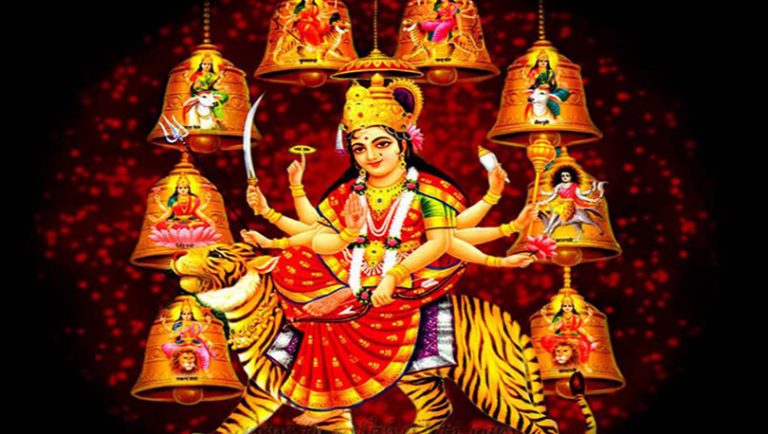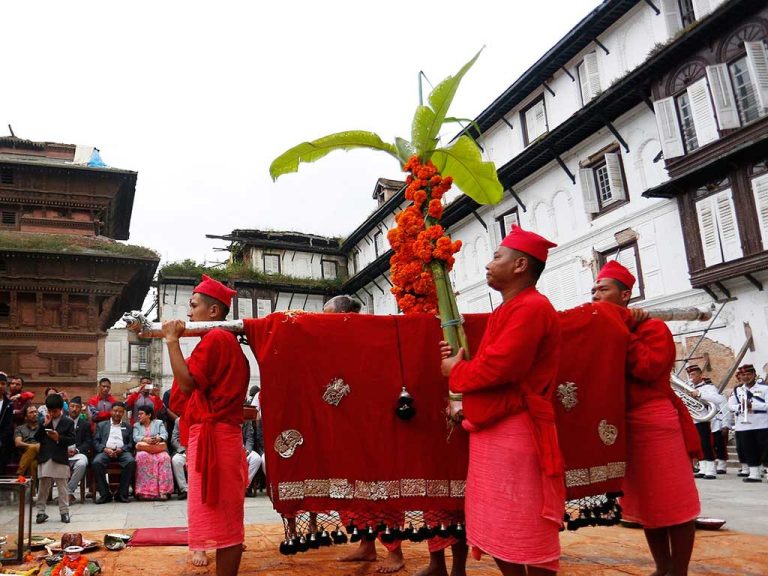
The Madhushrawani festival has commenced in the culturally rich Mithilanchal region, marking a time for newlyweds to pray for a prosperous marital life. Beginning from the Krishna Panchami of Shrawan, this 13-day festival involves special rituals where newlyweds worship Shiva, Parbati, and Nagadevata, seeking deep affection and unwavering fortune with their spouses.
During this festival, participants, known as Bartalu, and their companions dress in beautiful attire and engage in collective love songs and the ‘PooMalloDhi’ ritual, which is particularly significant. The ‘PooMalloDhi’ tradition, where participants search for flowers collectively on the eve of the festival, symbolizes the exchange of new homes and marital relationships. The festival also involves offering stale flowers to Lord Shiva and Goddess Parbati.
The festival begins with self-purification and the vow of fasting. Participants clean their nails and bathe a day before the festival to prepare themselves. Throughout the festival, only pure food is consumed. Elder women in the household educate the participants on the festival’s customs. Although traditionally celebrated at the maternal home, the festival’s clothes and food are usually provided by the husband.
The essence of the festival is the deep love for one’s spouse, which is why friends share the experiences and behaviors of their husbands during the celebrations. Before sunset, participants, adorned in attractive clothing and singing love songs, set out for ‘PooMalloDhi,’ drawing admiration from passersby. This aspect of the festival is a major attraction. Manoj Jha, Associate Professor at Yajnavalkya Laxminarayan Vidyapith in Matiuani, notes, “The emotional songs of Mithilani women during ‘PooMalloDhi’ aimed at strengthening the romantic bond of newlyweds captivate everyone.”
Once solely celebrated by Brahmin, Kayastha, Dev, and Sonar women in Mithila, this festival has now become a shared tradition across all communities. Using items brought from the husband’s home, the celebration at the maternal home has become an integral part of Mithila’s folk culture.
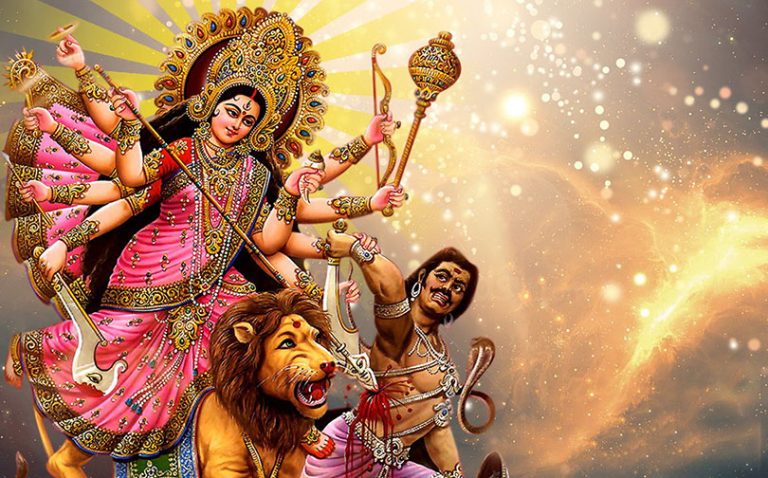
Following the worship of Shiva, Parbati, and Bishahari, elder women narrate stories based on ancient epics, including the tales of Maina Panchami, Bishahari, Bihula, Mansa, Mangala Gauri, the birth of the Earth, the churning of the ocean, and the story of Sati.