Malaysia Airlines (MAB) has expanded its network in the Chinese market through growing passenger numbers as well as digital partnerships to make flying with the carrier more accessible to customers. The airline carried more than 600,000 passengers across its Chinese network during the first half of 2026, a year on year increase of 27%, and recorded a load factor of 84% for its flights. The airline expects to carry more than 52,000 passengers on China related services during Golden Week holiday period from 26 September until 11 October 2026, a rise of 21% year on year.
Malaysia Airlines Builds Momentum In China
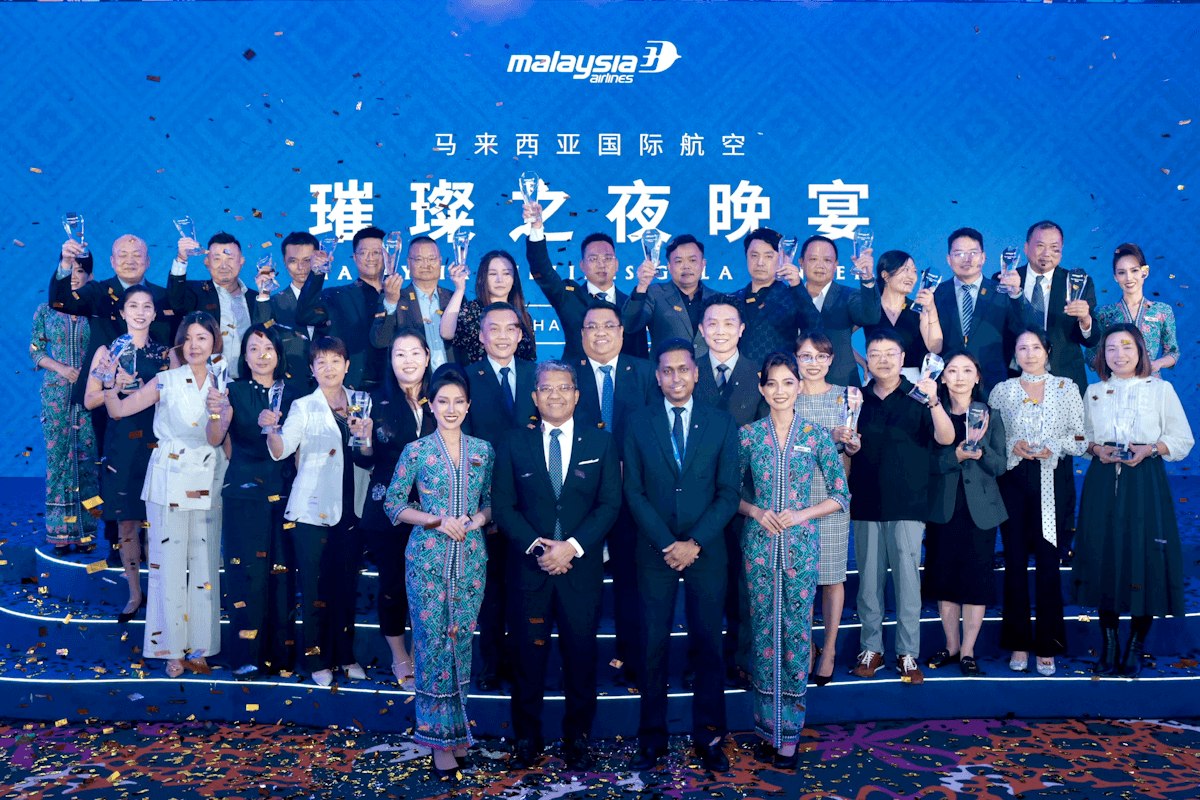
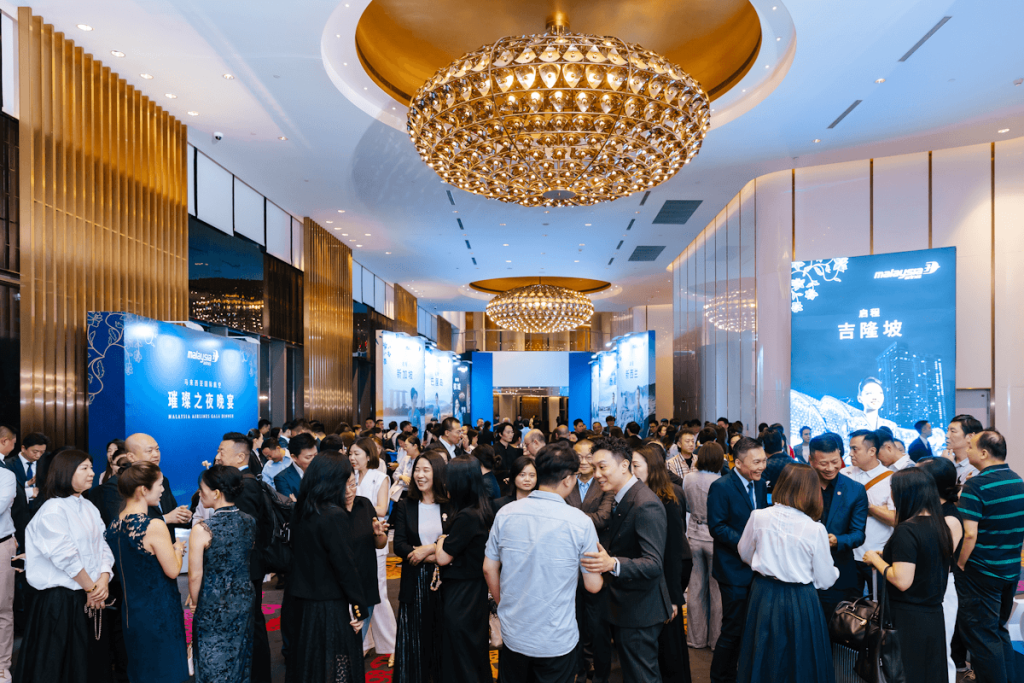
Malaysia Airlines said it showcased its success in the Chinese market at the China Trade Gala held in Shanghai on 22 September 2026, an event attended by travel trade partners, corporate partners and other stakeholders. The gala was an opportunity to recognize the contributions of its partners towards developing Malaysia Airlines in the Chinese market, and to discuss its priorities for the future. The airline said its ongoing investment in the Chinese market reflects its importance to its long term growth strategy and its focus on strengthening links between China, Malaysia and other destinations.

The carrier’s passenger numbers confirm growing demand for travel between China and Malaysia. During the first half of 2026, Malaysia Airlines transported more than 600,000 passengers across its China network, a 27% increase when compared with the same period of 2025. The airline is expecting to see further growth during China’s Golden Week holiday period, when more than 52,000 passengers are expected to travel on its China services as part of growing tourist and traveller activity between the two countries.
China Network Reaches Nine Gateways
Malaysia Airlines added Chengdu to its China network in 2026, resuming daily services between the capital of Sichuan province and its hub in Kuala Lumpur with new daily services also established to Shenzhen and Changsha. The nine gateways covered in its China network now include Chengdu, Beijing, Shanghai, Guangzhou, Xiamen, Hong Kong and Taipei, in addition to Shenzhen and Changsha.
Further connectivity to the Chinese market is also planned, with Malaysia Airlines’ sister airline Firefly planning to launch daily flights between Kuala Lumpur and Kunming, subject to regulatory approvals. The new route will be operated on Boeing 737-800 aircraft, and will connect Malaysia and China’s Yunnan province through a direct service. The new service will support a wide variety of different travel purposes, including leisure, business, education and cultural tourism, and provide travelling tourists from Yunnan with increased access to Malaysia and onward connections through Kuala Lumpur.
Kuala Lumpur Strengthens Its Regional Gateway Role
Kuala Lumpur continues to serve as the focal point for Malaysia Airlines’ expansion into the Chinese market, with the capital city providing connections to destinations in Malaysia as well as across the Asia-Pacific region, including destinations in ASEAN, South Asia, Australia and New Zealand. By building greater connectivity through Kuala Lumpur, the airline is looking to further enhance the Malaysian capital’s position as a gateway to Malaysia for both direct visitors and those travelling through the city to other destinations in the region. The strategy also opens up new possibilities for connecting Malaysia with other regional destinations.
Malaysia Airlines is also looking to capitalize on the opportunities for combining a visit to Malaysia with other destinations in the region, with airline CEO Captain Nasaruddin A. Bakar saying that its Bonus Side Trip program, which invites passengers travelling through Kuala Lumpur to extend their visit to other Malaysian destinations, was encouraging greater passenger interest in visiting multiple destinations in the country. Malaysia Airlines said its China strategy supported the visitmalaysia2026 tourism promotion, and helped to connect Chinese visitors with Malaysia’s tourism offering, while also strengthening existing links between Chinese travelers and Malaysian destinations.
Digital Partnerships Expand Access For Chinese Travelers
Malaysia Airlines also announced three Memoranda of Understanding with Huawei, Weixin Pay and TravelSky Technology Limited during the China Trade Gala, and signed the agreements during the event. The MoUs cover a range of different areas, including digital technology and customer engagement, with the airline seeking to build closer relationships with the digital ecosystems used by Chinese travellers. Huawei, Weixin Pay and TravelSky Technology Limited each have different areas of expertise, but all will contribute towards helping Malaysia Airlines increase its engagement with Chinese travellers and customers.

By operating across multiple digital platforms, the airline can build greater awareness of its services among Chinese travelers and provide a greater range of payment and booking options. The partnership will also help Malaysia Airlines to increase its engagement with customers, both through traditional channels including the airport and airline, but also during the early stages of the travel planning and booking process. Malaysia Airlines said its China strategy would help to further develop the airline, supporting the long-term goal of being a major international carrier while also delivering its Malaysian Hospitality service approach.
Captain Nasaruddin A. Bakar, President and Group Chief Executive Officer of Malaysia Aviation Group, said China remained a priority market for Malaysia Airlines and that its expansion into nine gateways demonstrated the airline’s confidence in the future potential of the market. He said the group would continue to invest in its network, fleet, operations and locally relevant partnerships within the framework of its Long Term Business Plan 3.0 (LTBP3.0). All these developments will help Malaysia Airlines to support its strategy of connecting China with Malaysia and the wider region, as well as contributing towards visitmalaysia2026 and delivering its Malaysian Hospitality service approach.