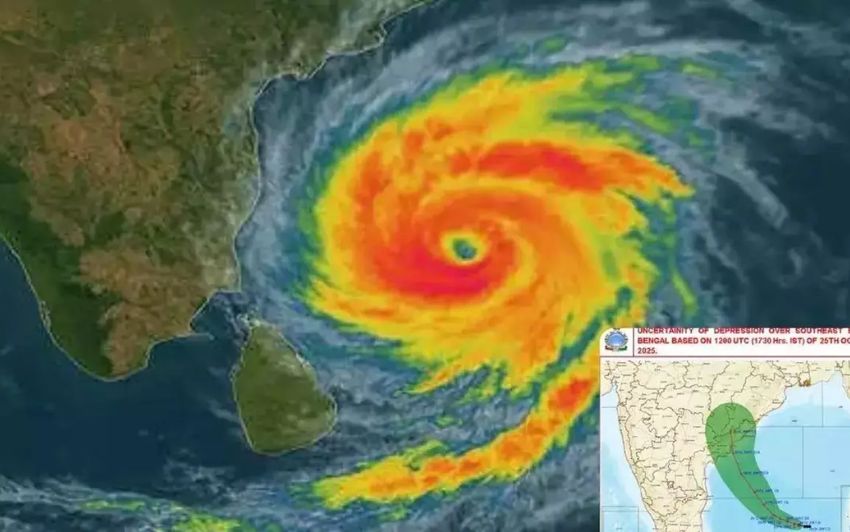
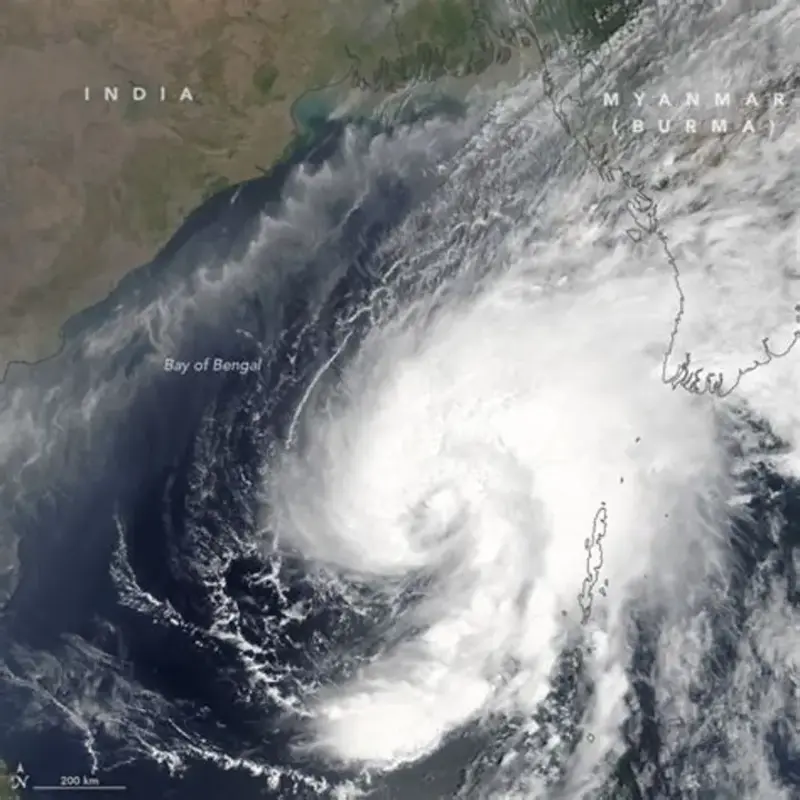
The Trekking Agencies’ Association of Nepal (TAAN) has issued a safety advisory to trekking companies, mountain guides, and support teams, urging them to take precautionary measures against the possible effects of Cyclone Montha on Nepal’s weather. The association has called for particular caution in mountainous and high-altitude areas, where heavy rainfall, snowfall, strong winds, and potential avalanches could disrupt trekking activities and threaten the safety of visitors.
The notice, issued by TAAN on October 27, 2026, follows weather alerts from Nepal’s Department of Hydrology and Meteorology and the National Disaster Risk Reduction and Management Authority (NDRRMA). According to the advisory, the weather system is expected to begin affecting Nepal from the night of October 29, with potentially adverse conditions forecast for October 30 and 31. TAAN has highlighted Gandaki Province as an area of particular concern and warned that the effects could extend to other parts of the country. The association has asked its members to monitor official forecasts, inform tourists about potential hazards, and prepare appropriate safety arrangements before beginning or continuing trekking journeys.
Heavy Rainfall and Snowfall Could Affect Trekking Routes
According to the advisory, the approaching weather system could bring thunderstorms, strong winds, and moderate to heavy rainfall to the Terai, Chure, and middle-hill regions. Higher mountain and Himalayan areas could experience heavy snowfall, snowstorms, and an increased risk of avalanches.
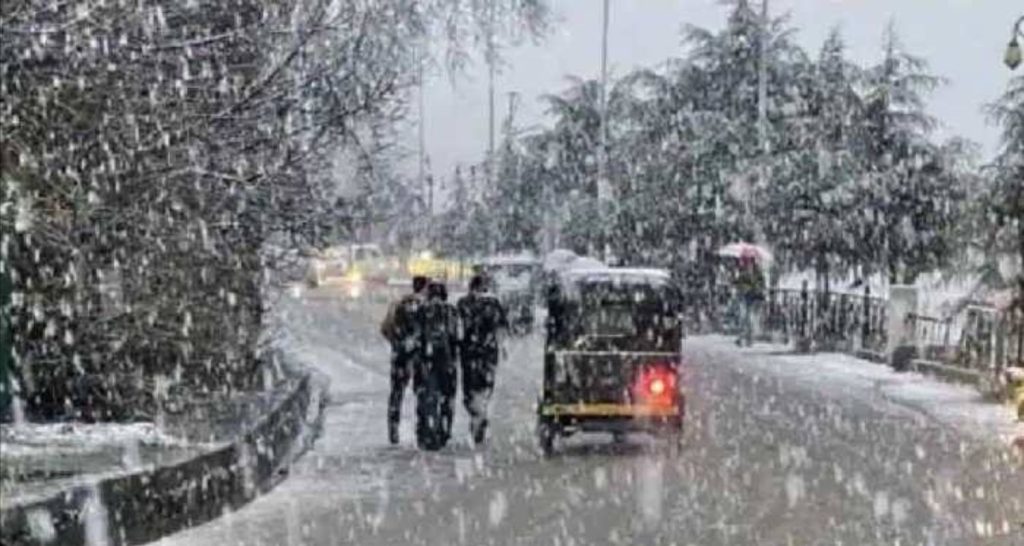
These conditions may affect trekking trails, mountain roads, river crossings, and temporary bridges. Heavy rainfall can trigger landslides and flooding, while snowfall and poor visibility may make high-altitude routes difficult to navigate. TAAN has therefore urged trekking agencies to evaluate the safety of their planned routes and remain prepared to modify itineraries if conditions deteriorate. The association has stressed that the safety of trekkers, guides, porters, and other support personnel must remain the primary consideration.
Agencies Asked to Keep Trekkers Informed
TAAN has requested its member agencies to provide timely information about the anticipated weather conditions to their guides, support teams, and tourists. Agencies have been advised to monitor official weather bulletins and ensure that trekking groups understand the possible risks before travelling into vulnerable areas. The notice issued by TAAN also calls for suitable arrangements for visitors who may need to remain in safe locations during periods of severe weather.
Agencies should be prepared to postpone departures, adjust itineraries, or suspend trekking activities when continuing the journey could endanger visitors. For groups already on the trails, regular communication between guides, agencies, and local authorities will be important. Access to safe accommodation, updated route information, and emergency assistance could help reduce risks if weather conditions worsen unexpectedly.
Manang, Manaslu and Other Mountain Regions Under Watch
The advisory identifies several locations where trekking agencies should exercise particular caution because of possible damage to roads, trails, and temporary bridges. Areas mentioned in the notice include parts of the Manang and Manaslu regions, including Koto, Chame, Tatopani, Kholabesi, Jagat, Lho, and Namrung.
It also draws attention to locations in Myagdi and Mustang, including areas around Pokhare Bagar, where travellers may encounter vulnerable road sections and trekking routes. TAAN has urged agencies to pay close attention to roads and footpaths that have been damaged or temporarily repaired. Trekkers should avoid unsafe crossings and remain away from locations where landslides, rising rivers, or unstable slopes could pose a danger. The warning is particularly important for remote mountain routes, where severe weather can interrupt transport and make rescue operations more difficult.
Safety Arrangements Recommended for High-Altitude Treks
TAAN has called on agencies to review their arrangements for groups travelling to mountain base camps and other high-altitude destinations. Guides and support teams have been advised to assess local conditions and ensure that trekkers can remain in safe locations if movement becomes hazardous. The association has also stressed the need to avoid unnecessary travel through exposed mountain areas during periods of severe weather.
Routes affected by heavy rain, snowstorms, landslides, or potential avalanches should not be used unless conditions have been assessed and authorities consider travel safe. Trekking agencies should remain in contact with their field teams and make decisions based on updated weather information rather than relying solely on previously planned itineraries. Such precautions are essential in mountain environments, where conditions can change quickly and access to emergency services may be limited.
Emergency Contacts and Coordination With Authorities
The notice encourages trekking agencies to coordinate with relevant authorities and seek assistance when required. It lists emergency contact numbers 1155 and 100 for weather-related information and urgent support. TAAN has also asked its members to contact the association’s secretariat for further information and coordination. The advisory was signed by General Secretary Sonam Tyaljen Sherpa and dated Kartik 10, 2083 BS. Timely communication and coordination among trekking companies, guides, local authorities, and emergency services can help visitors respond appropriately to changing conditions and reduce the likelihood of accidents.
Weather Alert Highlights Importance of Responsible Trekking
Nepal’s trekking industry depends on safe trails, accessible mountain routes, and reliable information about weather conditions. Severe storms can disrupt these essential elements, particularly in remote areas where alternative routes and emergency facilities may be limited. TAAN’s advisory highlights the importance of responsible trip planning and flexible itineraries during periods of heightened weather risk.
Trekking agencies are being encouraged to prioritise safety over scheduled departures and to make changes whenever conditions require them. As the country prepares for the anticipated effects of Cyclone Montha, trekkers and tourism operators are urged to remain alert, follow official weather updates, and comply with safety instructions from guides and local authorities. Careful preparation and timely decisions will be essential to protect visitors and support teams across Nepal’s mountain tourism destinations.