The Maurice Herzog trekking route, which connects Narchyang and Humkhola to the Annapurna Base Camp in Annapurna Rural Municipality–4, Myagdi, is facing logistical challenges due to the absence of proper suspension bridges. As a newly developing tourist destination, the route’s Narchyang–Humkhola section’s rough road and the Humkhola–Base Camp section’s temporary wooden bridges (locally known as sanghu and phadke) require urgent upgrades to accommodate the increasing number of trekkers. According to trail engineer Tej Gurung, the temporary bridges force hikers to cross one at a time due to safety concerns, and the wooden planks sway under heavy loads, posing a risk for both tourists and porters.
The bridges, constructed using local skills and traditional techniques, now require structural enhancement to match the rising tourist demand. Many sections lack side railings, and in some areas, trekkers still have to cross rivers using basic wooden planks. Specific sites including Humkhola, Futfute Waterfall, Red Waterfall, Sun Khola, and Panchkunda require immediate upgrades. Additionally, the wooden bridge near Panchkunda Lake becomes slippery in winter due to frost, further complicating safe passage for trekkers.

Plans for New Suspension Bridges
Annapurna Rural Municipality has announced plans to construct a 60-meter-long suspension bridge at Humkhola, which serves as the entrance to the trail, in the current fiscal year. Deputy Engineer Bal Krishna Paudel explained that materials have already been procured and that the project will proceed once a consumer committee is formed and agreements are finalized. A detailed project report (DPR) has also been prepared for a suspension bridge at Futfute Waterfall, designed to allow tourists to enjoy views of waterfalls while taking photographs and videos, according to municipality Chair Bharat Kumar Pun. The local government is also coordinating with provincial and federal authorities for additional bridge construction along the route.
Government Support and Infrastructure Development
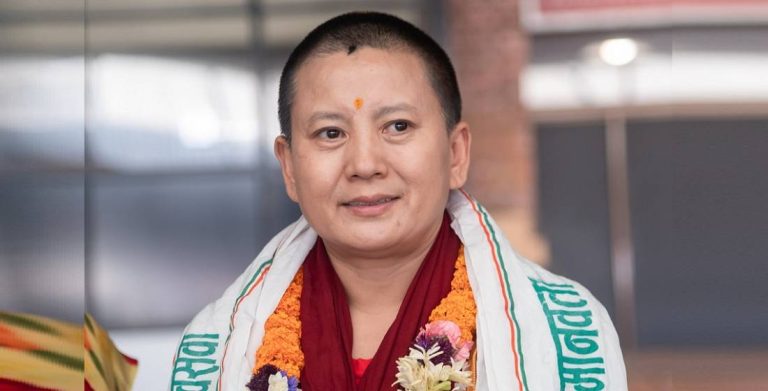
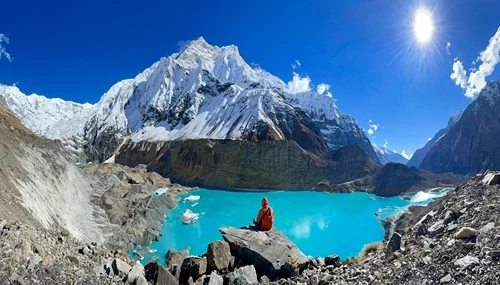
Recently, Gandaki Province Assembly member Hari Bahadur Bhandari, who visited the Annapurna Base Camp via the Maurice Herzog Trail, expressed commitment to advocating for further improvements in suspension bridges, drinking water, communication, electricity, and overall trail infrastructure. Situated at an altitude of 4,150 meters above sea level, the Annapurna Base Camp is now accessible for short treks, making it an attractive destination for tourists. According to Ward Chair Lok Bahadur Pun of Annapurna Rural Municipality–4, nearly 15,000 visitors have trekked to the base camp during the months of Ashwin and Kartik alone.
Trail and Trekking Details
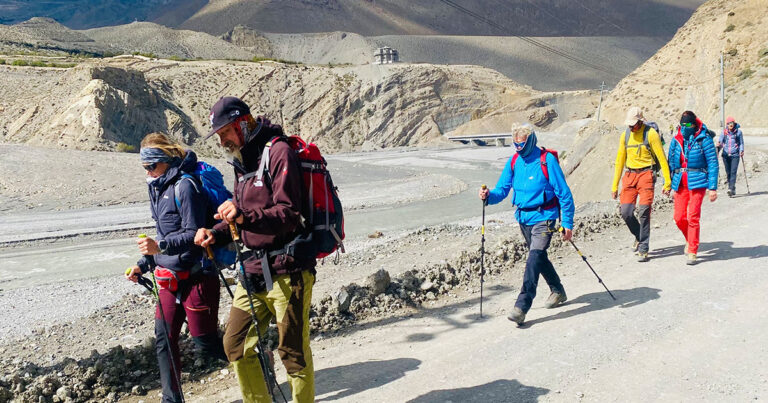
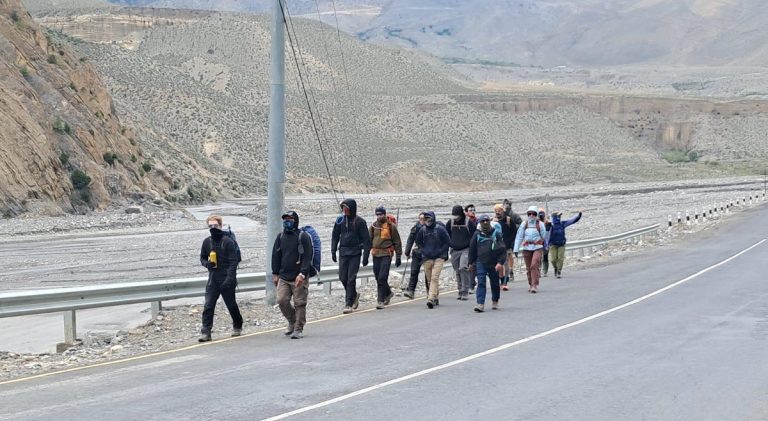
The trail from Narchyang to Humkhola spans 20 kilometers of road, while the Humkhola to Base Camp section covers 22 kilometers of basic trekking path. This two-day trek has turned the Annapurna Base Camp into a “virgin” destination, according to trekking guide Lakpa Angbu Sherpa of Sherpa Alpine Trekking. Along the route, trekkers enjoy the scenic Mistri River, tall waterfalls, stunning Himalayan vistas, unique topography, and rare flora and fauna. The trek can be completed in two days to reach the base camp, with a return on the third day.
Historical Significance of the Trail
The Maurice Herzog Trail was first identified in 2068 BS (2011 CE) by Tej Gurung, mapping the Annapurna peaks and base camp in Myagdi. The trail was officially mapped and named “Maurice Herzog” by Annapurna Rural Municipality in 2077 BS (2020 CE). This naming honors the French climber Maurice Herzog, who, along with Louis Lachenal, successfully summited Annapurna on June 3, 1950, three years before the first ascent of Mount Everest. Annapurna is historically significant as the first peak over 8,000 meters to be climbed by humans.

Events like the Annapurna Festival of 2077 BS and last year’s Annapurna ascent by Hirak Jayanti have helped promote the trail, the mountains, and the base camp to tourists. According to Tej Gurung, after Herzog’s team visited Narchyang in 2012 and used this route for their ascent, local communities began exploring and researching the trail, laying the groundwork for its current development as a popular trekking route.
Tourism Potential and Future Outlook
With proper infrastructure improvements, including suspension bridges, trail upgrades, and safety enhancements, the Maurice Herzog Trail is expected to become a key destination for domestic and international trekkers. Its combination of natural beauty, historical significance, and cultural experiences positions it as a prime candidate for sustainable tourism growth in the Annapurna region. Local authorities are committed to completing the bridge projects and further enhancing the trekking experience to ensure safety, accessibility, and an enjoyable journey for all visitors.