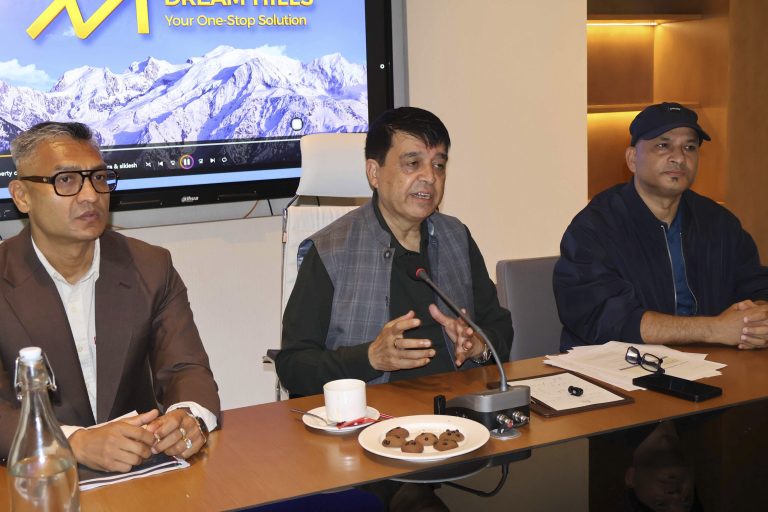
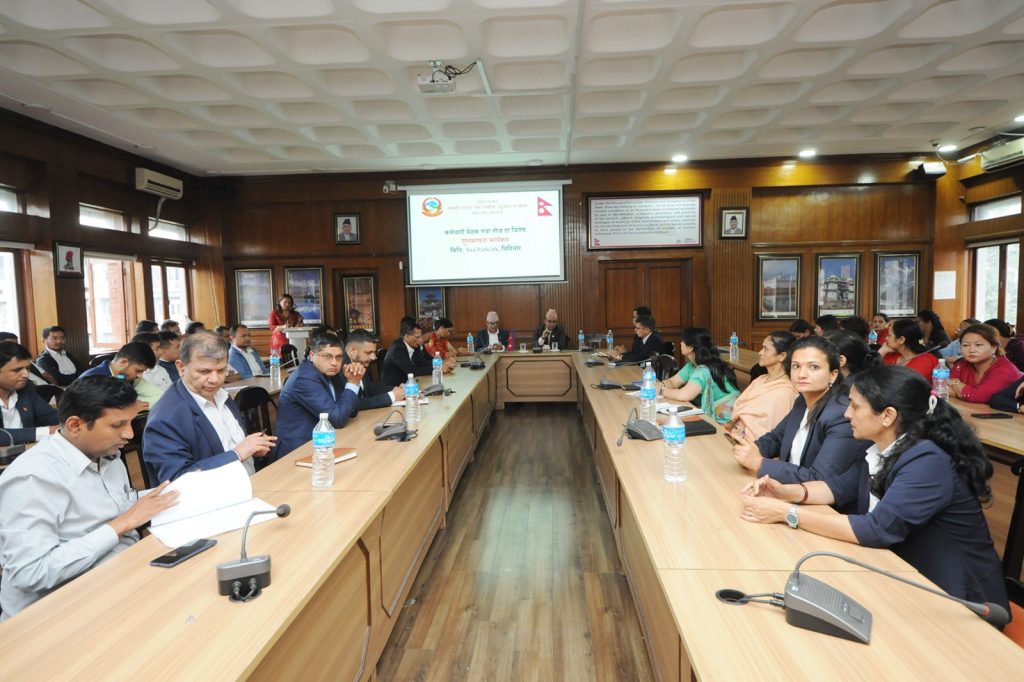
Culture, Tourism and Civil Aviation Minister Badri Prasad Pandey has emphasized that his role is not to govern over his colleagues but to facilitate their efforts, ensuring collaborative progress in Nepal’s tourism and cultural sectors. Speaking at a special employee meeting and Teej greetings program organized at the Ministry on Thursday, Minister Pandey reiterated his commitment to act as an enabler who works alongside ministry staff to achieve tangible results.
Commitment to Collaborative Leadership
Addressing the gathering, Minister Pandey said, “I am conscious about playing my role not as a ruler but as a facilitator. A minister alone cannot achieve anything; only with your support and cooperation can we deliver results.” He stressed that meaningful service delivery to the public can only be achieved if the ministry’s work proceeds in line with the performance agreement signed between the minister and officials. According to him, frequent staff transfers have posed challenges to the continuity of long-term projects, thereby affecting the overall effectiveness of government initiatives.
Legal Reforms and Sectoral Enthusiasm
Minister Pandey highlighted that recent legal amendments have boosted enthusiasm in the tourism industry, bringing service facilities on par with those in other sectors. Despite budgetary constraints, he emphasized the importance of developing culture, tourism, and civil aviation as key pillars carrying immense potential for national growth. He further revealed that the implementation of the Tourism Policy has created positive momentum, with a new aviation policy in preparation and ongoing legal reforms to support sustainable growth.
Signing of Performance Agreement for FY 2082/83
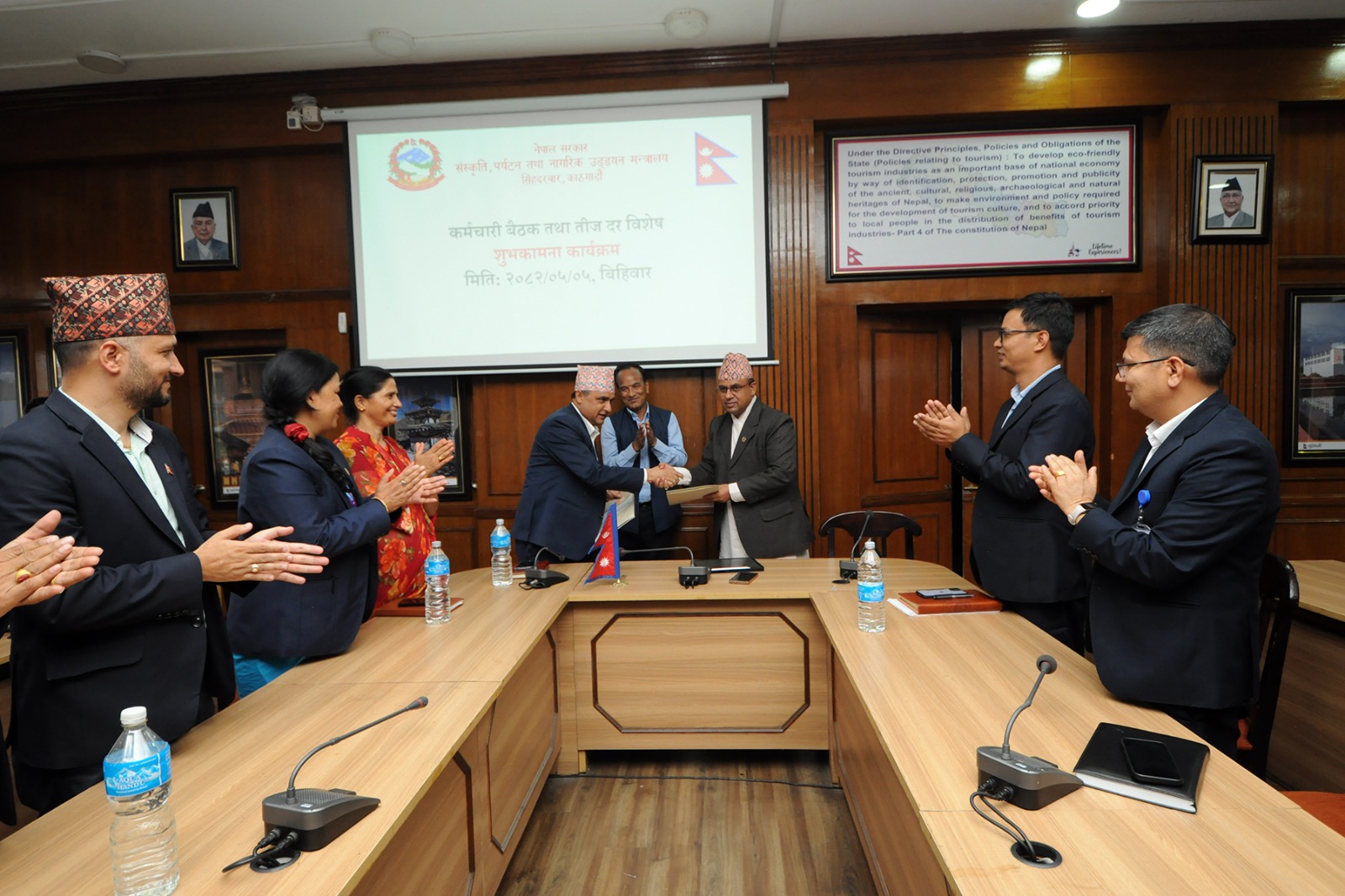
On the same occasion, Minister Pandey and Secretary Hari Prasad Mainali signed a performance agreement for the fiscal year 2082/083. The agreement aims to ensure accountability, result-oriented performance, and effective execution of programs within the ministry. Minister Pandey directed employees to remain honest to their responsibilities and adopt a results-driven work ethic to uplift the ministry’s standing and service quality.
Record of Achievements in Short Tenure
Reflecting on his short tenure, Minister Pandey recalled notable achievements, including being awarded the “Best Tourism Minister of the Year” at the International Tourism Exchange (ITB) Berlin, bringing the Cultural Institution into profit, and initiating significant policy reforms within a limited timeframe. He remarked, “Our only interest is in the welfare of the country and the people. Currently, we are ranked fourth with a performance evaluation of 77 percent; we must now move forward to become number one.”
Tourism as a National Economic Pillar
Minister Pandey reiterated that tourism is not merely a recreational sector but a strategic driver of economic growth, cultural preservation, and international branding for Nepal. He underscored the need to integrate tourism with cultural promotion, aviation expansion, and community engagement to create a holistic development approach. The minister also acknowledged that limited resources require smart, coordinated, and innovative strategies to achieve long-term goals.
Employee Engagement and Motivation
During the program, he called on all ministry staff to go beyond routine administrative tasks and proactively contribute to the ministry’s vision. He encouraged them to treat their roles as opportunities to serve the nation rather than merely perform assigned duties. He also assured that the leadership would support staff in creating an enabling environment for professional growth, policy innovation, and service excellence.
Outlook for the Coming Year
Looking ahead, Minister Pandey expressed optimism that the ministry could set an example for efficiency and productivity in the public sector. The upcoming fiscal year will prioritize implementing the new aviation policy, enhancing international connectivity, and diversifying tourism products to attract a broader range of visitors. Special focus will also be placed on legal amendments to streamline processes, improve investor confidence, and modernize tourism-related infrastructure.
The event concluded with Minister Pandey’s Teej greetings to all staff and their families, urging them to celebrate the festival with unity and renewed dedication to the ministry’s mission. The gathering served not only as a festive occasion but also as a platform for reinforcing shared goals, accountability, and the collective resolve to position Nepal’s tourism, culture, and civil aviation sectors as leaders in the region.