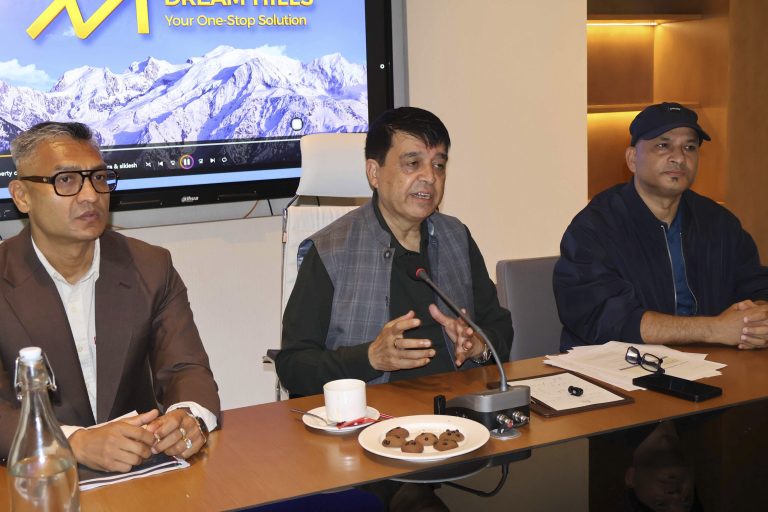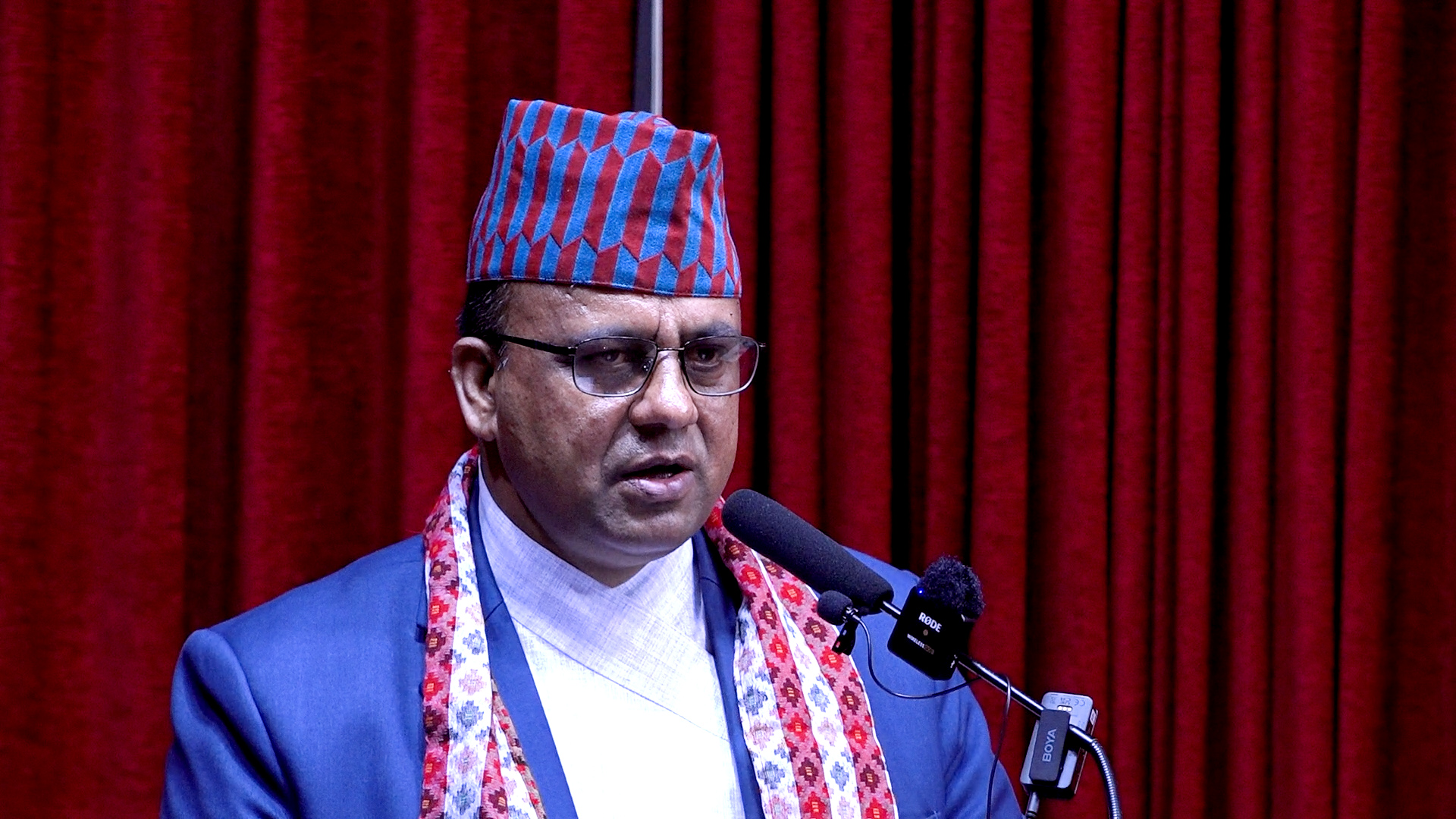
Minister for Culture, Tourism, and Civil Aviation, Badri Prasad Pandey, has stressed the importance of creating an environment where the private sector can be welcomed with a “red carpet” for investment. Speaking at a discussion program organized by the Siddhartha Chamber of Commerce and Industry in Bhairahawa today, Minister Pandey highlighted that excluding the private sector from the aviation industry would not be a sustainable approach.
He underlined his commitment to ensuring the effective operation of Gautam Buddha International Airport, located in Bhairahawa, and revealed that discussions are underway regarding allowing the private sector to take charge of its operation. “There are talks about handing over the management of the airport to the private sector,” Pandey stated, “while security, immigration, and other regulatory matters will remain under government control. This can help attract private investors.”
A Call for Collective Effort
Minister Pandey made it clear that the effective operation of the airport cannot be achieved solely by the will of the tourism minister. He emphasized the necessity of collective cooperation among all stakeholders, including the private sector, local government, and regulatory bodies.
He further mentioned that Prime Minister KP Sharma Oli, during his upcoming visit to India, will prioritize discussions on air route permits and the operation of Nepal’s two newly developed international airports. According to Pandey, these efforts are essential to ensure that airports like Bhairahawa and Pokhara do not remain underutilized despite significant investments.
Local Leadership Voices Concerns
At the same event, Mayor of Siddharthanagar Municipality, Istiyak Ahmad Khan, expressed disappointment that Gautam Buddha International Airport has not yet come into full operation. He argued that, at a time when Kathmandu’s air traffic congestion frequently creates obstructions, Bhairahawa should be developed as a reliable alternative landing destination. “It is unfortunate that the airport is not being used to its potential. We must create an environment where aircraft can easily land here,” Khan stated.
Private Sector Representatives Call for Action
Representatives of the private sector also raised critical concerns and presented solutions during the discussion. Rajesh Kumar Agrawal, a member of the Federation of Nepalese Chambers of Commerce and Industry (FNCCI), and Thakur Kumar Shrestha, the former president of Siddhartha Chamber of Commerce and Industry, both strongly advocated for handing over the management of airports in Bhairahawa and Pokhara to the private sector.
Similarly, the current president of Siddhartha Chamber of Commerce and Industry, Netra Prasad Acharya, pressed the government to provide clarity on the future of the airport. “The government must be transparent. If the airport cannot be run, it should admit so, instead of leaving us in constant uncertainty,” Acharya remarked. He emphasized that investors and the local business community should not be left in despair, waiting indefinitely for the government to act.
Operational Challenges Remain
Pratap Babu Tiwari, General Manager of Gautam Buddha International Airport, acknowledged the challenges faced in ensuring smooth operations. He explained that unless the airport can provide travelers with better facilities, it will be difficult to attract regular flights. “Passengers do not want to come here if they still need to travel to Kathmandu for services like labor permits, visas, and manpower processing. These problems must be resolved first,” Tiwari explained.
He also pointed out that airlines such as Jazeera Airways and Thai AirAsia, which had briefly operated from Bhairahawa, managed to achieve a 77 percent passenger load factor. However, despite this relatively good performance, they could not sustain regular services. Tiwari argued that, in the short term, Nepal Airlines should step up and provide consistent flights from the airport to ensure its viability.
A Strategic National Asset
Gautam Buddha International Airport, inaugurated with high expectations as Nepal’s second international gateway after Tribhuvan International Airport in Kathmandu, was envisioned as a crucial infrastructure project for promoting tourism and trade in the Lumbini region. The airport holds strategic importance due to its proximity to Lumbini, the birthplace of Lord Buddha, which attracts millions of Buddhist pilgrims from around the world.
However, since its launch, the airport has faced challenges in securing regular international flights. Experts argue that a combination of inadequate promotion, lack of incentives for airlines, and bureaucratic hurdles have contributed to its underutilization. The discussions in Bhairahawa underscore a growing consensus that without private sector participation, the airport risks remaining a dormant asset.
Need for Urgent Decisions
The deliberations led by Minister Pandey and local stakeholders highlight a pressing need for clear decisions and practical solutions regarding the operation of Gautam Buddha International Airport. While the government has expressed its willingness to collaborate with the private sector, concrete action remains crucial.
As emphasized by business leaders, local authorities, and airport officials, the future of the airport hinges on timely reforms, improved passenger facilities, and decisive leadership. With Nepal’s broader tourism revival strategy in focus, the successful operation of Gautam Buddha International Airport could serve as a landmark achievement, strengthening regional connectivity, boosting tourism, and creating new economic opportunities in Lumbini and beyond.