A new cultural attraction has opened in Lo Manthang, Mustang, with the inauguration of the Monchoe Antique Museum inside the historic premises of Chode Monastery. The Monchoe Antique Museum is expected to add a new dimension to the tourism experience in Upper Mustang by giving visitors an opportunity to explore the region’s artistic and cultural heritage alongside its renowned monasteries, traditional settlements and Himalayan landscape. Local stakeholders have expressed hope that the new institution will help attract more visitors to Lo Manthang while encouraging greater appreciation and protection of the area’s historic legacy.
Museum opens at the historic Chode Monastery
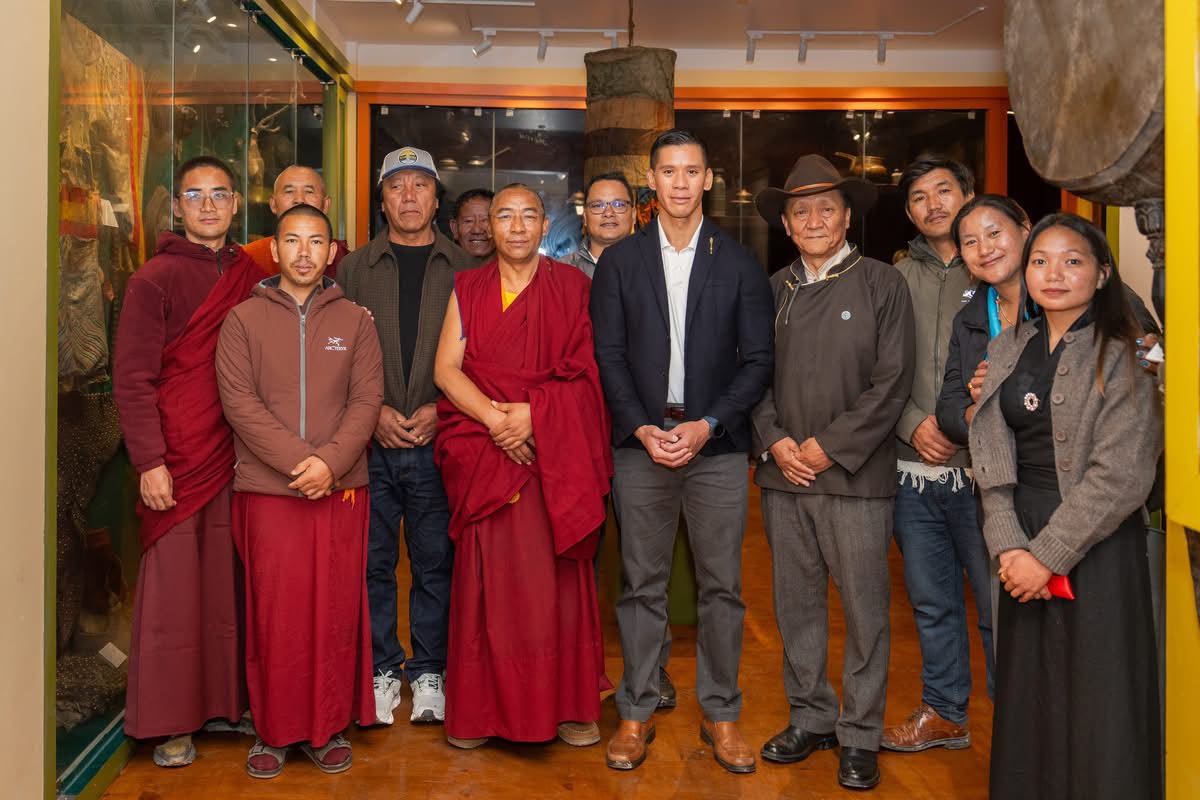
The Monchoe Antique Museum was inaugurated during a ceremony attended by local representatives, Buddhist monks, tourism entrepreneurs and other stakeholders. The Monchoe Antique Museum has been established within the sacred surroundings of Chode Monastery, linking the preservation of historical objects with one of Mustang’s important religious and cultural sites. Its location is expected to make the museum particularly valuable for travelers seeking to understand the history and traditions behind the distinctive architecture, religious practices and artistic heritage found throughout Lo Manthang.

The establishment of the museum has been supported through a grant from the US Embassy in Nepal, reflecting continued international cooperation in the preservation of Nepal’s cultural heritage. According to the US Embassy, Public Affairs Chief Mike Harker joined local leaders and community representatives in Lo Manthang to mark the opening. His participation also highlighted the broader role of cultural preservation projects in strengthening cooperation between Nepal and the United States while supporting communities that depend increasingly on heritage and tourism.
A new attraction for Upper Mustang visitors
Local stakeholders believe the Monchoe Antique Museum could become an important addition to the growing range of cultural experiences available to tourists in Upper Mustang. Former Mustang lawmaker Indradhara Bista said the opening of the Monchoe Antique Museum is expected to help attract more tourists to the region. For visitors already traveling to Lo Manthang to experience its centuries-old monasteries, traditional architecture and distinctive Himalayan culture, the museum can provide an additional opportunity to learn about the historical objects and artistic traditions associated with the region.
Upper Mustang is widely recognized for its unique cultural landscape, where ancient Buddhist monasteries, traditional settlements and Himalayan geography form an important part of the visitor experience. The addition of a dedicated museum could therefore strengthen cultural tourism, encouraging travelers to spend more time exploring the heritage of Lo Manthang rather than viewing the destination only as a gateway to the wider Mustang landscape. A well-preserved collection can also provide visitors with historical context that may deepen their understanding of the communities, traditions, and religious practices that have shaped the region over generations.
Preserving art and heritage for future generations
Beyond its potential tourism value, the museum has an important role in preserving Nepali art and historical artifacts. Mustang possesses a distinctive cultural heritage shaped by centuries of religious traditions, local craftsmanship and close connections with the wider Himalayan region. Preserving objects associated with this heritage can help ensure that important elements of the region’s cultural identity remain accessible not only to present-day visitors but also to future generations.
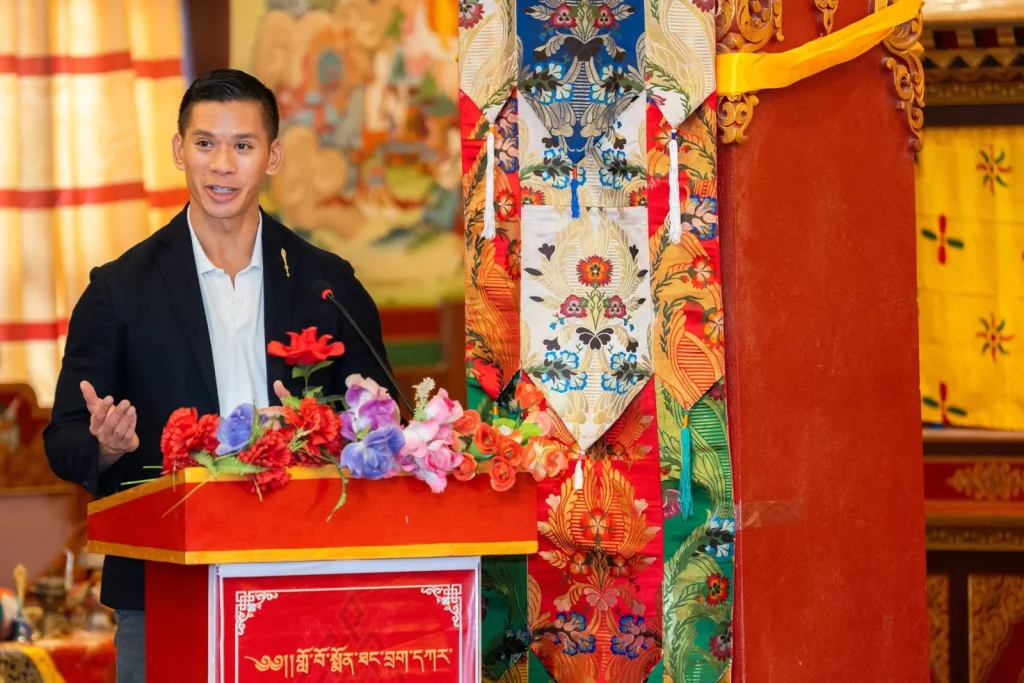
The Monchoe Antique Museum also provides an opportunity to bring cultural preservation and tourism development together. Heritage sites and artifacts can face challenges as communities modernize and tourism expands, making responsible conservation increasingly important. By creating a dedicated space for historical materials, the Monchoe Antique Museum can contribute to greater public awareness of the value of Mustang’s cultural resources while allowing visitors to engage with the region’s history in a more structured setting.
Part of a wider US-supported heritage initiative
The opening of the Monchoe Antique Museum is not an isolated cultural project. According to Harker, the United States has supported cultural preservation efforts in Nepal for more than two decades, with projects extending beyond Lo Manthang to other important heritage locations. The long-term cooperation has focused on protecting historic structures, religious sites, artwork and other elements of Nepal’s cultural heritage.
During his visit to Mustang, Harker also met monastic leaders at several other heritage sites that have received US support, including Lo Gekar, also known as Ghar Gumba, Dzong Gompa and Gönpa Gang. Support for these sites has contributed to efforts to restore and protect historic monasteries, chortens, artworks and traditional architecture, demonstrating that cultural preservation in Mustang extends beyond individual buildings to the wider heritage landscape.
Linking heritage conservation with tourism development
The Monchoe Antique Museum’s opening also highlights the close relationship between heritage conservation and tourism development in Mustang. Tourism is an important source of economic activity in the region, and cultural attractions can help communities benefit from visitors while encouraging the protection of the very heritage that draws travelers to the area. Museums, monasteries and historic settlements can collectively create a more comprehensive tourism experience, particularly for travelers interested in history, religion, architecture and Himalayan culture.
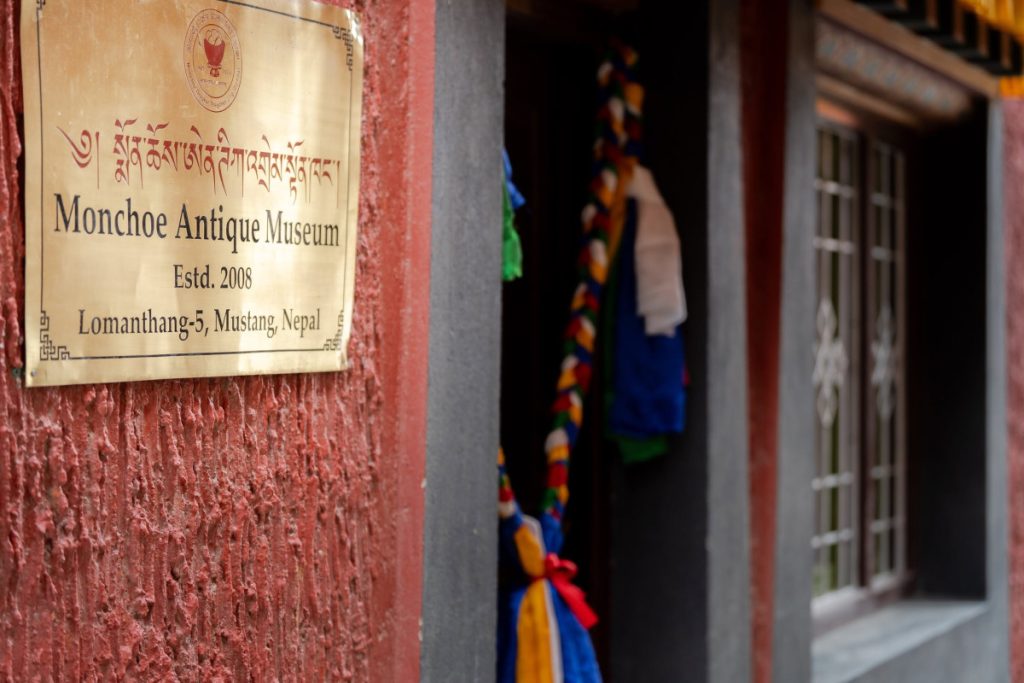
The new museum could also complement Lo Manthang’s existing attractions by giving visitors another destination to include in their cultural exploration. Rather than relying solely on natural scenery and trekking routes, the region can strengthen its tourism appeal through experiences that explain its cultural identity. This approach could encourage visitors to explore the area more deeply and develop a stronger connection with Mustang’s history and communities.
Strengthening Lo Manthang’s cultural tourism appeal
Lo Manthang has long attracted travelers because of its distinctive combination of Himalayan scenery, Buddhist heritage, traditional architecture, and centuries-old cultural traditions. The establishment of the Monchoe Antique Museum adds another layer to that experience. For tourists, the museum can serve as a place to better understand the cultural significance of the monuments, monasteries, and traditions they encounter during their journey through Upper Mustang.
The initiative could become particularly significant as tourism stakeholders seek to promote Mustang not simply as a remote Himalayan destination, but as a place where visitors can experience and learn about a living cultural heritage. The success of the museum will depend on continued conservation, thoughtful interpretation of the collection and meaningful involvement from local communities, but its opening represents a significant step toward expanding the cultural tourism offering of Lo Manthang.

A new chapter for Mustang’s heritage tourism
The opening of the Monchoe Antique Museum marks a significant development for Lo Manthang’s cultural and tourism landscape. By bringing historical artifacts and Nepali artistic heritage into a dedicated museum space within Chode Monastery, the initiative combines conservation, education and tourism in one project. Local hopes that it will become a major attraction reflect the growing importance of cultural experiences in attracting visitors to remote destinations such as Upper Mustang.
At the same time, the project demonstrates how international cooperation can support locally significant heritage initiatives. With continued conservation efforts at sites such as Lo Gekar, Dzong Gompa and Gönpa Gang, the museum forms part of a broader effort to protect Mustang’s cultural identity. If successfully integrated into local tourism activities, the new museum could help preserve the region’s heritage, enrich visitors’ experiences and strengthen Lo Manthang’s position as a major cultural tourism destination in Nepal.