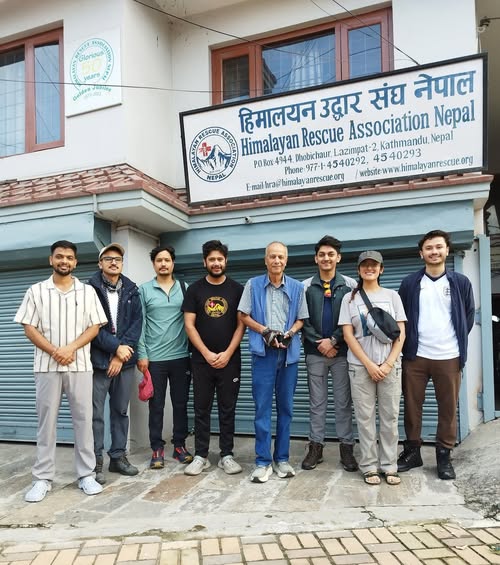
The Himalayan Rescue Association Nepal (HRA) has deployed its medical team to Gosaikunda Lake to provide free medical services to pilgrims and visitors during the Janai Purnima festival. The team departed for the high-altitude pilgrimage destination in the morning to operate the Gosaikunda Temporary Free Health Camp, providing an important medical support system during a period when the number of visitors at the sacred lake rises significantly.
The initiative is particularly important because Gosaikunda is situated in a remote and challenging Himalayan environment, where access to permanent healthcare facilities is limited and reaching medical centers can be difficult. Through the temporary camp, HRA is bringing professional medical assistance closer to the pilgrims undertaking the journey, ensuring that people who require consultation or essential healthcare services can receive support while they are at the pilgrimage site. The deployment also demonstrates the organization’s continued commitment to providing medical assistance in remote mountain areas, particularly at destinations where large numbers of people gather for religious, cultural and tourism-related activities.
Janai Purnima turns Gosaikunda into a major pilgrimage destination
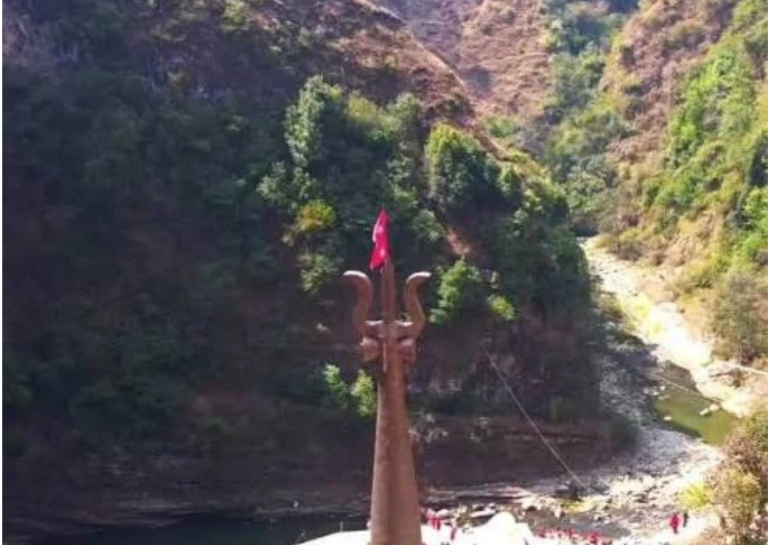
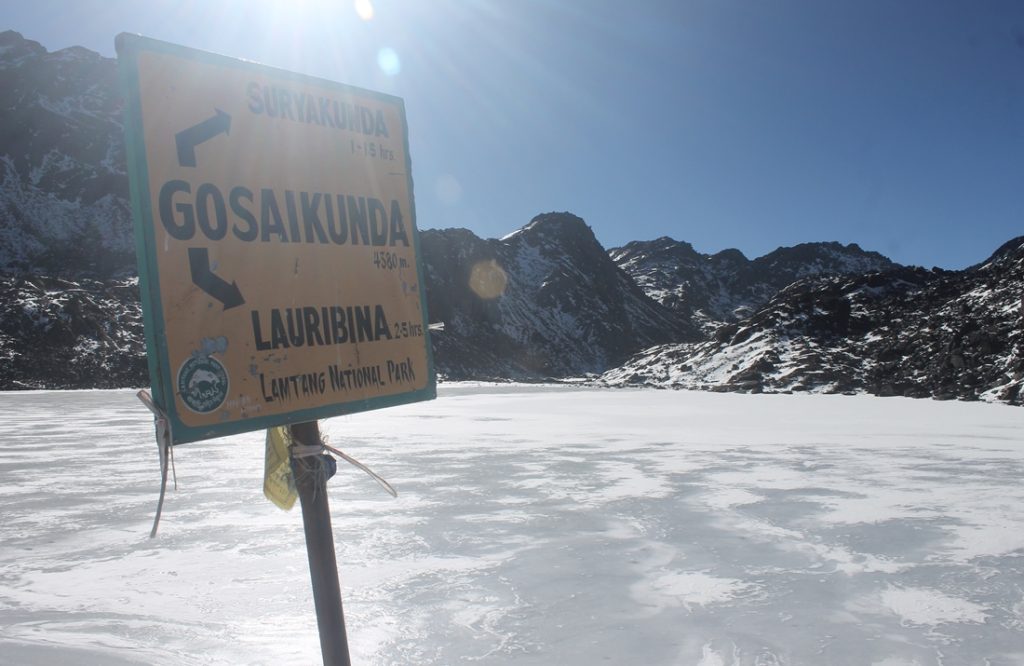
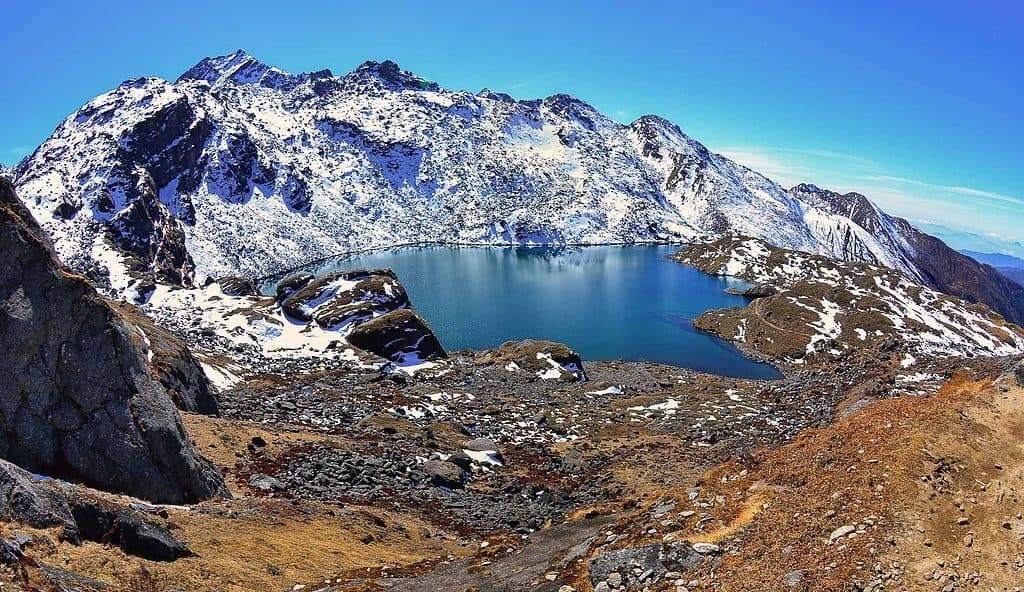
Gosaikunda holds exceptional religious and cultural importance in Nepal, and the significance of the lake becomes particularly prominent during Janai Purnima. Thousands of devotees travel to the sacred high-altitude lake during the festival to observe religious traditions that have been followed for generations. Pilgrims make the journey to Gosaikunda to take a holy dip in the lake, worship Lord Shiva and change their sacred thread, or Janai, as part of the religious observance.
Gosaikunda is widely revered as a sacred abode of Lord Shiva, giving the lake a special position among Nepal’s important pilgrimage destinations. The annual movement of devotees towards the lake makes Janai Purnima one of the busiest periods at the destination, with large numbers of people travelling through mountain routes and gathering around the sacred site. The combination of religious devotion, traditional practices and the dramatic Himalayan surroundings makes Gosaikunda an important example of how Nepal’s religious heritage continues to attract substantial seasonal visitor movement to remote mountain destinations.

A demanding high-altitude journey increases the need for healthcare
Although the pilgrimage to Gosaikunda is driven primarily by religious faith and devotion, reaching the lake requires visitors to travel through a challenging high-altitude environment. The journey can be physically demanding, particularly for pilgrims who are not accustomed to travelling in mountainous terrain or spending extended periods at high elevations. Visitors may have to cope with difficult mountain trails, changing weather, and the physical strain associated with the journey before reaching the lake.
During Janai Purnima, these challenges become more significant because thousands of people undertake the journey within a concentrated period, increasing the overall demand for visitor support and emergency preparedness. In a remote location such as Gosainkunda, access to conventional hospitals and permanent medical facilities is not as straightforward as it is in urban areas. The presence of an HRA medical team therefore becomes especially valuable, as it provides pilgrims with a direct point of contact for medical consultation and essential healthcare services during one of the most heavily visited periods of the year.
HRA brings essential medical services directly to pilgrims
Through the Gosaikunda Temporary Free Health Camp, the HRA medical team will provide free medical consultation and essential healthcare services to pilgrims and visitors throughout the pilgrimage period. The camp is designed to make basic professional medical support available at the destination itself, which can be particularly important for people who develop health concerns while travelling or after reaching the lake.
For pilgrims arriving from different parts of the country, the availability of medical personnel at Gosaikunda means that they have an accessible place to seek professional assistance rather than having to immediately travel away from the pilgrimage area for basic medical attention. The service is also significant because of the large seasonal concentration of visitors during Janai Purnima. By establishing a temporary healthcare facility at the site, HRA is helping strengthen the support system around the pilgrimage and ensuring that health considerations remain an important part of preparations for a major religious gathering in a remote Himalayan location.

Medical preparedness is vital during the peak pilgrimage period
The timing of the HRA deployment is particularly significant because Janai Purnima brings a major influx of pilgrims to Gosaikunda within a relatively short period. A remote mountain destination can face additional pressure when visitor numbers suddenly increase, especially when the visitors are travelling under physically demanding conditions. The concentration of pilgrims means that the need for medical assistance and basic emergency preparedness can rise considerably compared with ordinary periods.
Even when visitors do not require major treatment, access to professional medical consultation can be important when they experience health concerns during a demanding mountain journey. Establishing a temporary camp therefore provides an additional layer of preparedness during the festival and helps ensure that the well-being of pilgrims is not overlooked amid the large-scale religious gathering. The initiative also demonstrates the importance of anticipating the specific needs of visitors at seasonal pilgrimage destinations, particularly where geographical remoteness can make it difficult to access conventional healthcare facilities quickly.
Gosaikunda connects religious tourism with Nepal’s mountain tourism
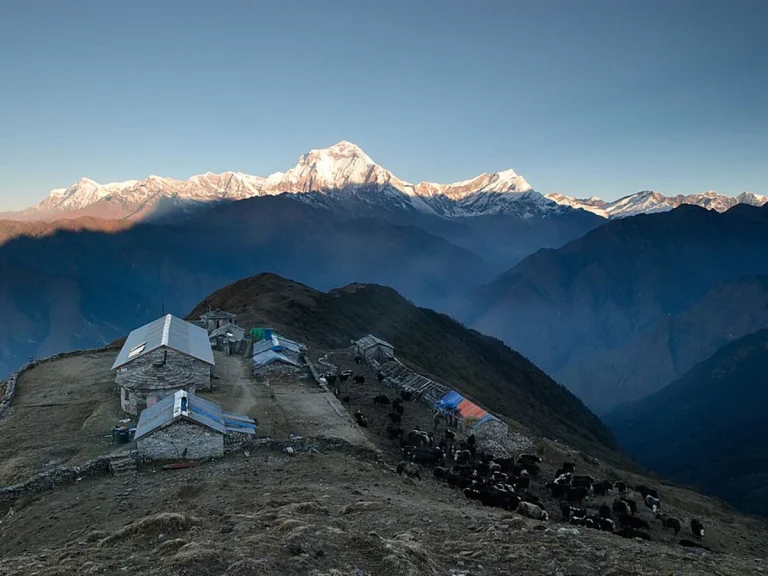
The HRA initiative also highlights the important relationship between religious tourism and mountain tourism in Nepal. Gosaikunda is primarily known for its spiritual significance, but the lake’s location in the Himalayan landscape also makes it part of Nepal’s wider network of mountain travel destinations. During Janai Purnima, religious pilgrimage becomes the principal reason for the large movement of people towards the lake, yet the journey itself takes place through a mountain environment that presents many of the same challenges encountered by other visitors travelling in the Himalayas.
This means that services such as medical support, visitor safety and emergency preparedness are important components of responsible tourism management. The Gosaikunda health camp demonstrates how tourism and pilgrimage destinations require supporting facilities that respond to the realities of their geographical setting. As increasing numbers of people travel to culturally and spiritually significant mountain destinations, ensuring visitor well-being becomes an important part of maintaining a safe and sustainable experience.
The initiative strengthens safety at a remote pilgrimage site
The temporary health camp provides an important support mechanism at a destination where geographical isolation can make healthcare access difficult. Gosaikunda’s remote mountain setting means that visitors cannot expect the same immediate access to hospitals and medical services available in major cities. During a large pilgrimage, this challenge becomes more pronounced because many people are gathered in one location and may have different levels of physical preparedness for high-altitude travel.
Having a medical team stationed at the site helps reduce this gap by making professional healthcare support available closer to the people who need it. The service is especially valuable during Janai Purnima because the combination of a large visitor population and challenging environmental conditions creates a greater need for preparedness. While the camp is temporary and established specifically for the pilgrimage period, its role demonstrates how targeted medical services can strengthen the safety arrangements of remote cultural and religious destinations during peak visitor seasons.
HRA continues its commitment to mountain healthcare
The deployment to Gosaikunda reflects the Himalayan Rescue Association’s continued dedication to mountain healthcare and saving lives in Nepal’s Himalayan regions. Providing medical assistance in remote and challenging environments is a central part of HRA’s work, and the Gosaikunda camp places that commitment directly in the middle of a major seasonal pilgrimage. Unlike conventional medical facilities located in accessible urban centers, mountain health services often require medical teams to work in locations where geography, weather, and transportation can create additional challenges.
The organization’s presence at Gosaikunda demonstrates the importance of taking healthcare services to people rather than expecting visitors in remote areas to travel long distances when medical assistance is required. The camp therefore represents both an immediate response to the needs of Janai Purnima pilgrims and a broader example of the role specialized organizations can play in supporting health and safety across Nepal’s mountain destinations.
Healthcare services can improve the visitor experience
The availability of free medical assistance can also provide greater confidence to pilgrims and visitors travelling to Gosaikunda during the festival. Knowing that trained medical personnel are present at the destination gives visitors an additional source of support during a journey that can be physically demanding and geographically remote. Healthcare facilities may not be the first consideration for people planning a religious pilgrimage, but they become an important part of destination preparedness when thousands of people travel to a high-altitude location at the same time.
The HRA camp consequently contributes to a more secure environment by ensuring that basic medical consultation is available during the busiest period. From a tourism perspective, initiatives that improve visitor safety can strengthen the overall experience at remote destinations and demonstrate that religious and mountain tourism should be supported not only through promotion but also through appropriate health, safety and emergency arrangements.
Gosaikunda’s importance extends beyond the annual festival
The significance of Gosaikunda extends beyond Janai Purnima because the lake represents a distinctive combination of religious heritage, cultural tradition and Himalayan landscape. Its association with Lord Shiva gives it enduring importance for devotees, while its high-altitude location makes the journey itself an important part of the visitor experience. The large number of people who travel to Gosaikunda during Janai Purnima illustrates the powerful role that religious traditions continue to play in generating domestic travel across Nepal.
It also shows why remote destinations with strong cultural and spiritual identities require adequate visitor services as their popularity grows. Healthcare support is one of the key elements of such preparedness, particularly when visitors are travelling to areas where the physical environment can create additional risks. The HRA camp therefore contributes to the broader effort to make Gosaikunda a safer destination for people who arrive to experience its religious and cultural significance.

A timely initiative for pilgrims and mountain visitors
The deployment of the HRA medical team comes at an important time as thousands of devotees prepare to gather at Gosaikunda for Janai Purnima. By operating the temporary free health camp, HRA is providing pilgrims and visitors with access to medical consultation and essential healthcare services in an environment where permanent medical facilities are not readily available. The initiative brings an important safety dimension to the annual pilgrimage while reflecting the wider need for responsible management of Nepal’s remote religious and tourism destinations.
Gosaikunda’s combination of spiritual significance and challenging Himalayan geography means that visitor welfare must remain a central consideration, particularly during periods of intense seasonal travel. The presence of the HRA medical team will help strengthen medical preparedness during the festival and support pilgrims as they undertake the journey to worship Lord Shiva, take a holy dip in the sacred lake and observe the traditions associated with Janai Purnima.
Supporting safer religious and mountain tourism in Nepal
The Gosaikunda health camp ultimately demonstrates how healthcare, religious pilgrimage and tourism safety are closely connected in Nepal’s mountain destinations. Large-scale pilgrimages bring significant numbers of people into remote areas, creating a need for services that can respond to visitors’ practical and medical requirements alongside their religious activities. HRA’s decision to deploy a dedicated medical team ensures that pilgrims have access to professional assistance during an important period of travel and worship.
More broadly, the initiative highlights the value of strengthening support systems at destinations where cultural importance and mountain geography attract large numbers of visitors. As Gosainkunda continues to draw pilgrims during Janai Purnima, efforts such as the temporary free health camp can contribute to a safer and better-managed visitor environment while reinforcing Nepal’s reputation for combining its religious heritage, Himalayan destinations and mountain-based tourism experiences with greater attention to visitor wellbeing.