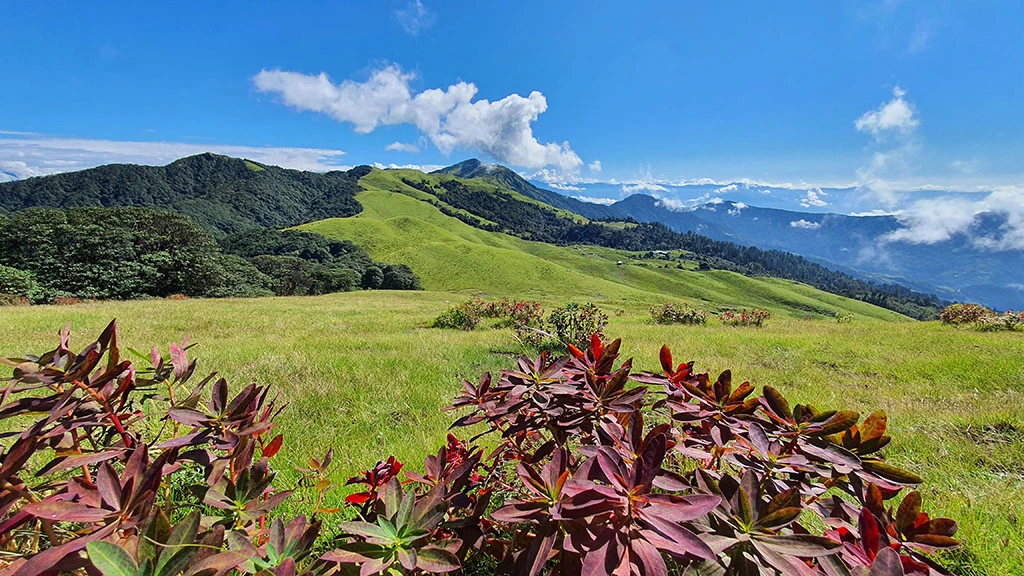
The Mundum Trail is steadily gaining recognition as one of the most picturesque and accessible tourism destinations in eastern Nepal, attracting a growing number of both domestic and international visitors. Blessed with exceptional natural beauty and rich cultural heritage, the Mundum trail offers a unique experience where travelers can witness diverse landscapes, traditional lifestyles, and panoramic Himalayan views within a single journey.
Over the years, the Mundum trail route has transformed from a lesser-known trekking path into an emerging attraction for those seeking a quieter alternative to Nepal’s more crowded trekking regions. With its combination of rolling hills, open grasslands, and dramatic mountain backdrops, the trail is increasingly being included in travel itineraries focused on nature, culture, and soft adventure.

A Journey Through Diverse Landscapes
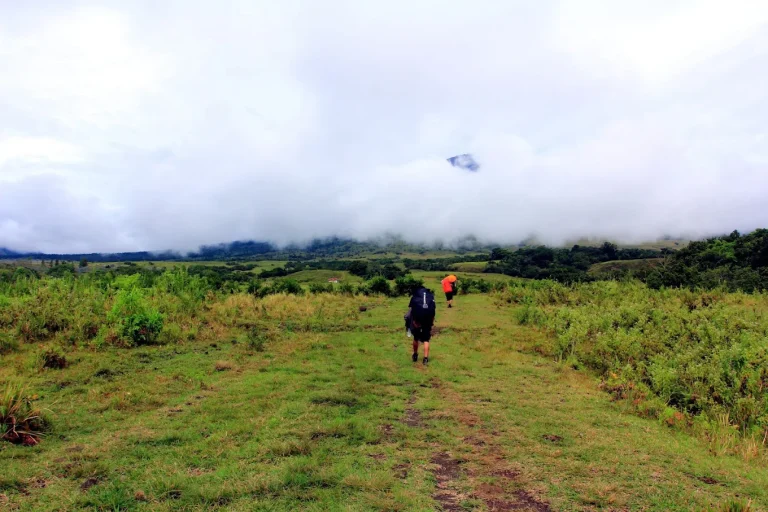
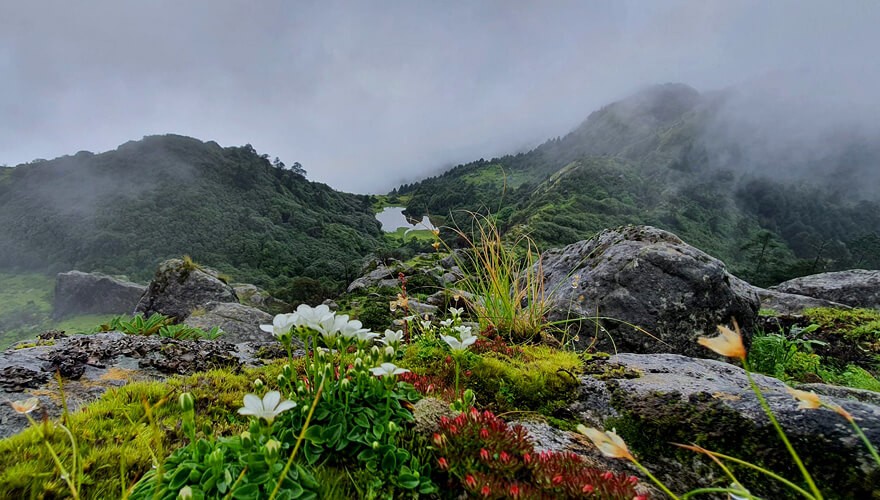
Mundum Trail’s is one of the most distinctive features is the extraordinary variation in scenery it offers. Trekkers pass along high ridgelines, lush forests, and expansive alpine meadows, all while enjoying sweeping views that stretch from the mid-hills to the plains of the Terai. The landscape changes gradually yet dramatically, allowing visitors to experience multiple ecological zones in a relatively short trek.
Along the way, travelers encounter wide grazing fields dotted with herds of chauri and sheep raised by local herders. These pastoral scenes, combined with the serenity of the highlands, add a sense of authenticity and tranquility to the journey. The unspoiled environment has made the trail particularly appealing to nature lovers and photographers.
Cultural Heritage Rooted in Kirat Tradition
Beyond its natural appeal, the Mundum trail is deeply intertwined with the traditions of the Kirat community, whose ancient spiritual text, the Mundum, gives the route its name. Cultural symbols, sacred sites, and traditional structures encountered along the path reflect the beliefs, rituals, and way of life of the Kirat Rai people.
Visitors have the opportunity to experience local hospitality and taste traditional cuisine prepared by Kirat Rai, Sherpa, Tamang, and other indigenous communities. Many of the food items are organic, produced locally by herders and farmers, offering travelers an authentic farm-to-table experience. The presence of diverse vegetation and medicinal herbs further enhances the ecological significance of the region.
Local Government Promoting Safe and Sustainable Tourism
According to officials of Temkemaiyung Rural Municipality, the area has recently been developed as a safe and well-managed trekking destination. Local authorities have taken active steps to construct essential infrastructure and ensure that visitors can travel comfortably and securely.
Development initiatives include the construction of drinking water facilities, rest stops, and trail improvements to enhance accessibility. Efforts are also underway to extend and upgrade sections of the trail to accommodate the increasing flow of tourists while maintaining environmental sustainability.
Establishment of Tourism Information Center
To provide trekkers with reliable guidance, a tourism information center has been established along the route. The center offers details about the trail’s features, geography, trekking duration, accommodation options, and safety considerations. This initiative aims to make the trekking experience more organized while supporting responsible tourism practices.
Local leaders emphasize that tourism development is being integrated with agricultural promotion to ensure that economic benefits reach community households. By linking tourism with local production and services, the region hopes to create sustainable livelihood opportunities.
Panoramic Himalayan Views from a Single Vantage Point
Another major highlight of the trail is its remarkable mountain vistas. From various points along the route, trekkers can enjoy views of some of Nepal’s most iconic peaks, including Mount Everest, Makalu, Kanchenjunga, Chamlang, and Kumbhakarna. These sweeping Himalayan panoramas, visible without extreme altitude gain, make the trail suitable for a wide range of trekkers.
The moderate ascents and descents along the path provide a balanced trekking experience, offering adventure without the physical demands of high-altitude expeditions. This accessibility has contributed significantly to the trail’s rising popularity among families, students, and international travelers seeking shorter Himalayan experiences.

A New Identity for Eastern Nepal’s Tourism
As awareness grows, the Mundum Trail is establishing itself as a confluence of natural beauty, cultural richness, and adventure tourism in eastern Nepal. Its development represents a shift toward diversifying the country’s tourism offerings beyond traditional hotspots, encouraging exploration of lesser-known yet equally captivating regions.
With continued infrastructure improvements, community participation, and sustainable planning, the trail is poised to become a major attraction that highlights the harmony between nature, culture, and local livelihoods. Increasing visitor interest signals that the Mundum Trail is not only preserving heritage but also shaping a new tourism identity for eastern Nepal.