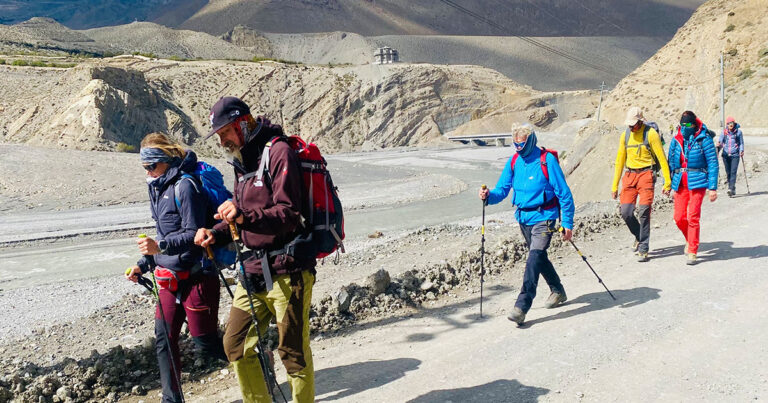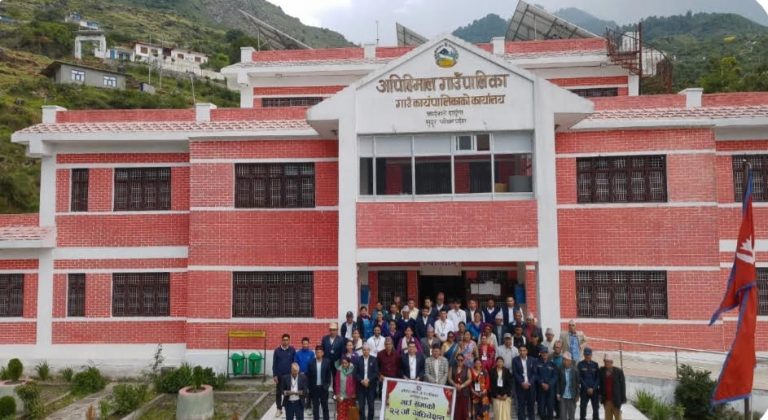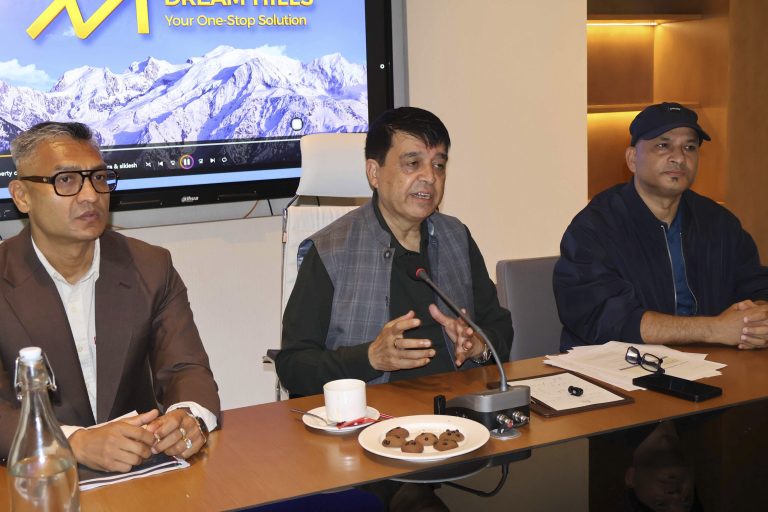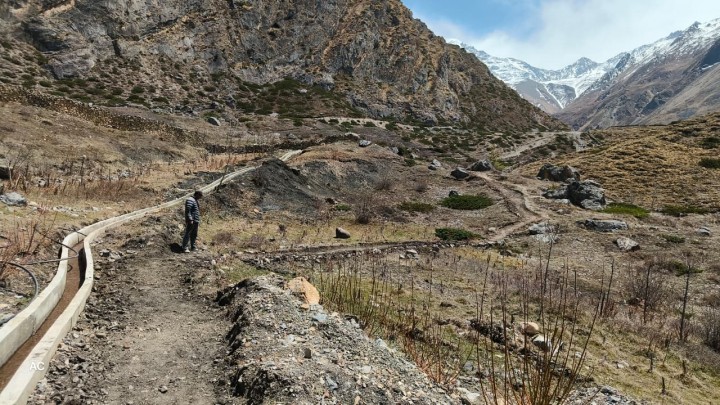
Tourism authorities in Mustang District have intensified efforts to repair, upgrade, and develop trekking trails across the region, aiming to preserve traditional routes while promoting sustainable tourism. The initiative is being led by the Annapurna Conservation Area Project under the National Trust for Nature Conservation, with its offices in Jomsom and Lo Manthang actively implementing projects across all five local levels of Mustang. Officials say the program is designed not only to improve trekking infrastructure but also to extend the stay of both domestic and international tourists by enhancing their overall experience.
Road Expansion Posing Threat to Traditional Trails
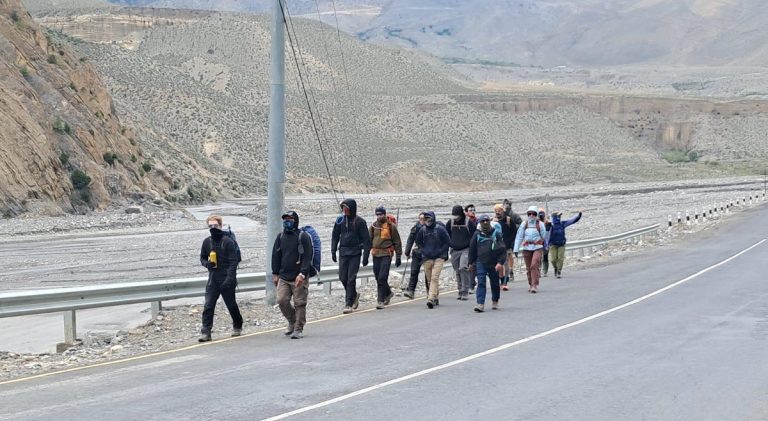
The rapid expansion of road infrastructure, particularly along the Kali Gandaki Corridor (Beni–Jomsom–Korala), has significantly impacted traditional trekking routes in Mustang. While improved road access has increased connectivity, it has also led to the deterioration and disappearance of several historic foot trails that have been used for centuries. Unplanned road construction has further damaged sections of these routes, raising concerns about the long-term sustainability of trekking tourism in the region.

Budget Allocation and Progress in the Jomsom Area
The ACAP Jomsom office, which oversees areas from Thasang Rural Municipality–4 Pairathapla to Baragung Muktikshetra–3 Chhusang, has allocated Rs. 3.26 million for the repair and upgrading of 11 trekking trails in the current fiscal year 2082/83.
According to office chief Rajesh Gupta, work on three trails has already been completed, while the remaining projects are in their final stages. The upgrades include widening trails, cleaning routes, laying stone pavements in risky sections, and constructing gabion walls and railings for safety.
Key trails under improvement include:
- Chokhopani–Sauru route
- Bhotarsho Lake circuit trail
- Chimang village trail
- Sauru–Sirkhume (Thangme Danda) trail
- Titi–Lupsang Kharka trail
Additionally, new alternative routes such as the Chhayo–Titi Lake trail and upgrades from Jhipra Deurali to Pyachu are also underway.
Restoration Work Across Rural Municipalities
In Gharapjhong Rural Municipality, trails leading to Samle village and the route from Namkhulenk to Tilicho Lake have been upgraded. Similarly, in Baragung Muktikshetra, restoration efforts are ongoing on the Thorong Phedi–Chhengur descent trail used by trekkers arriving from Manang, as well as the historic trail from Muktinath Ranipauwa to Jharkot village. These improvements aim to ensure safer and more beautiful trekking experiences while preserving cultural and historical significance.
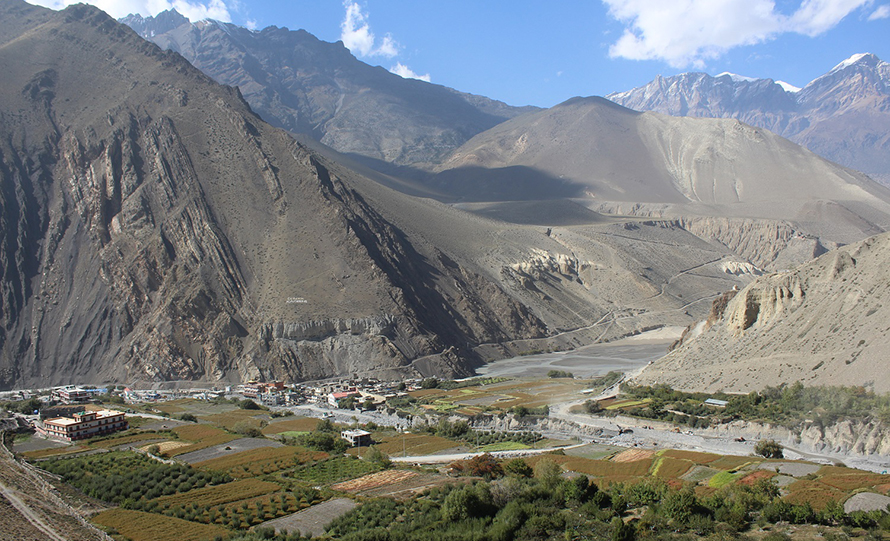
Additional Investments in the Lo Manthang Region
The ACAP office in Lo Manthang has also prioritized trail maintenance and development. According to office chief Umesh Poudel, Rs. 1.4 million has been allocated for the current fiscal year.
Ongoing projects include:
- Chhusang–Tetang trail
- Tangya–Pa trail
- Chhoser–Konjoling route
- Marang–Lo Manthang trail
Last year, ACAP Lo Manthang constructed the vulture observation trail and Samar cave trail in Samar, along with upgrading the Chhaile–Gyakar–Samar route. A total of 5.5 km of trails were upgraded last year, while nearly 20 km of trails have been improved in Upper Mustang over the past three fiscal years.
Preference for Trails Despite Road Access
Despite the expansion of road networks, foreign tourists visiting Upper Mustang continue to prefer trekking along traditional trails rather than traveling by road. However, officials have noted that some guides opt for road routes for convenience, which may undermine the importance and experience of trekking trails. This trend risks sidelining the cultural and ecological value of these historic pathways.

Balancing Development and Conservation
While road connectivity has improved emergency response capabilities, allowing quicker rescue in high-altitude sickness cases, it has also placed several trekking trails at risk. Authorities emphasize the need for balanced development that protects Mustang’s unique trekking heritage while accommodating modern infrastructure.
Promoting Sustainable Tourism in Mustang
The ongoing efforts by the Annapurna Conservation Area Project reflect a broader commitment to sustainable tourism development in Mustang District. By preserving and upgrading trekking trails, officials aim to maintain Mustang’s reputation as one of Nepal’s premier trekking destinations while safeguarding its cultural legacy for future generations.