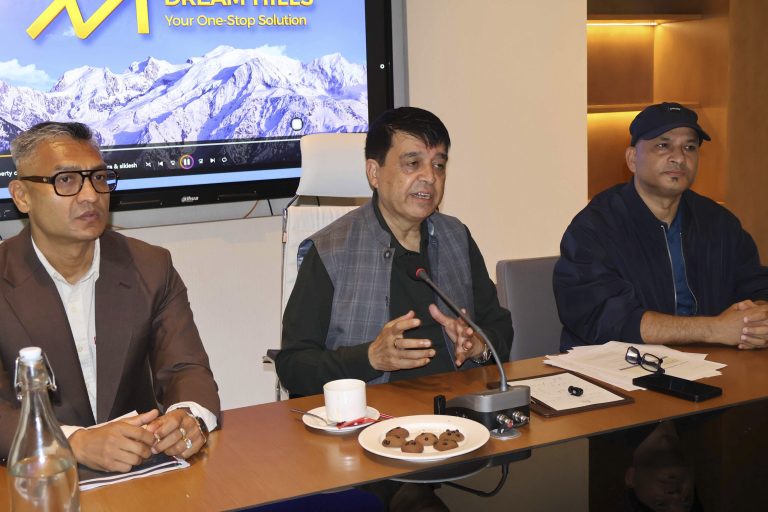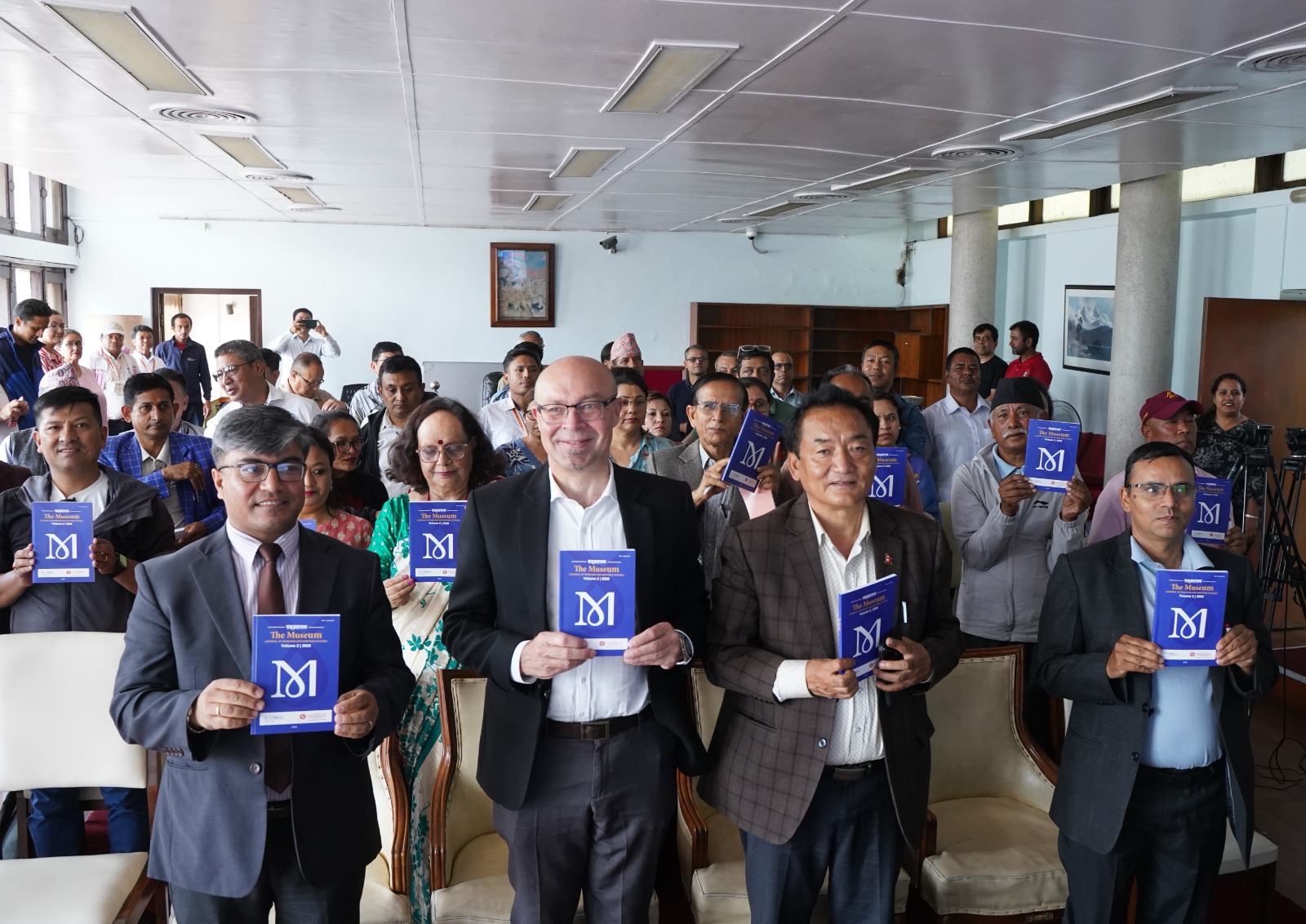
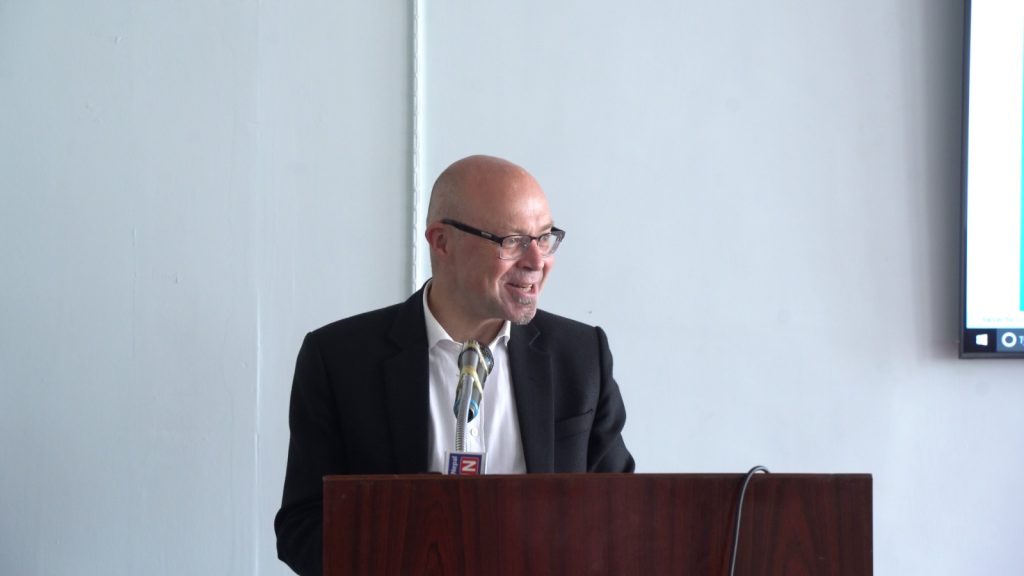
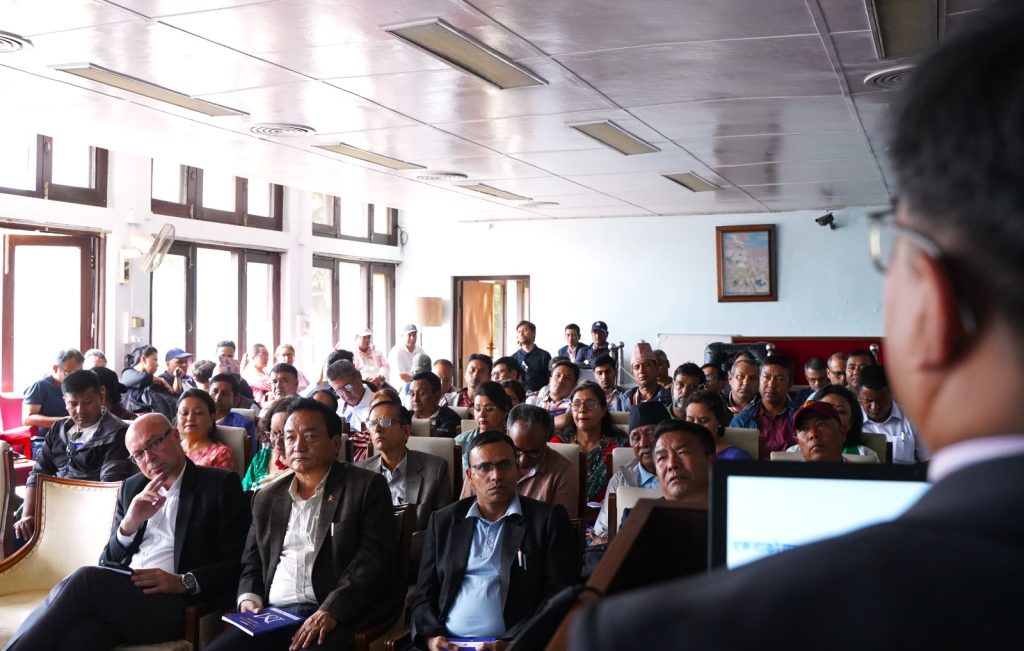
An event was organized at the Narayanhiti Palace Museum to commemorate International Museum Day 2026, bringing together heritage experts, cultural stakeholders, tourism professionals, and museum representatives to highlight the evolving role of museums in society. The programme emphasized museums as dynamic centers for community connection, well-being, intercultural dialogue, and sustainable development.
Discussions during the event explored how museums contribute not only to heritage preservation but also to tourism promotion and local economic growth in Nepal. A major highlight of the event was the launch of the second issue of the Museum Journal, alongside conversations on how heritage institutions can bridge the past, present, and future through education and cultural engagement.

UNESCO and ICOM Reaffirm Commitment to Museums Worldwide
As museums around the world observed International Museum Day under the leadership of the International Council of Museums (ICOM), UNESCO reaffirmed its commitment to supporting museums as essential institutions for cultural protection, peacebuilding, and sustainable development. The 2026 observance also reflected strengthened cooperation between UNESCO and ICOM following the signing of a new Memorandum of Understanding aimed at enhancing joint action in heritage preservation and museum innovation.
UNESCO stated that museums remain vital spaces where societies can engage in dialogue, understand cultural diversity, and collectively imagine shared futures. The organization also paid tribute to museum professionals, educators, researchers, conservators, artists, and communities whose efforts keep museums alive and relevant.
UNESCO Launches Spanish Version of Virtual Museum of Stolen Cultural Objects
On the occasion of International Museum Day, UNESCO announced the launch of the Spanish-language version of the Virtual Museum of Stolen Cultural Objects, the world’s first global digital platform dedicated to raising awareness about illicit trafficking of cultural property.
Since its initial launch during the MONDIACULT Conference 2025, the virtual museum has attracted over 205,000 visitors and generated more than 1.6 million page views. The newly launched version currently showcases 59 stolen and missing cultural objects submitted by countries from Latin America and the Caribbean, helping strengthen global awareness on the impact of cultural theft on communities and heritage identity.
Digital Innovation Expands Access to Museums and Heritage
UNESCO also highlighted several global digital initiatives designed to improve accessibility and innovation in museums.
Among them are:
- The Global Network of Water Museums, promoting water heritage, sustainability, and education worldwide.
- The Virtual Science Museum, which connects scientific traditions from diverse cultural and geographic contexts into a shared digital platform.
These projects aim to expand public access to knowledge while amplifying underrepresented cultural perspectives through technology.
International Activities Showcase Museums as Tools for Peace and Inclusion
UNESCO offices around the world organized diverse programmes throughout May to mark International Museum Day.
Bosnia and Herzegovina
UNESCO Sarajevo Office and the Ars Aevi Museum of Contemporary Art displayed artworks created during the siege of Sarajevo, symbolizing cultural resistance and solidarity during times of crisis.
Brazil
UNESCO Brasilia Office and the Rio Art Museum hosted “Cultura Conecta 2026,” featuring discussions and collaborative activities involving culture and education sectors.
Burundi
UNESCO supported emergency conservation efforts and plans to transform the National Museum of Gitega into a cultural and creative hub contributing to peacebuilding and tourism development.
Cuba
Museums across Cuba launched exhibitions, audiovisual storytelling initiatives, and sustainability projects aimed at enhancing cultural engagement and artwork preservation.
Egypt and China
UNESCO regional offices in Cairo and Beijing organized a webinar on universal accessibility in museums, focusing on inclusive museum practices and innovations.
Fiji, Ghana, Iran, Mexico, Mozambique, Pakistan, Senegal, Sudan, Ukraine, and Southeast Asia
Numerous exhibitions, training programmes, restoration projects, and intercultural dialogue initiatives were organized to strengthen museums’ roles in education, social cohesion, peacebuilding, and heritage preservation.
UNESCO and ICOM to Launch Global AI Survey for Museums
Building on the momentum of International Museum Day, UNESCO and ICOM announced plans to launch a global survey on the use of Artificial Intelligence (AI) in museums on May 21. The survey aims to collect data on how museums are integrating AI into daily operations, visitor engagement, conservation practices, and digital accessibility, while also identifying future training and development needs.

Museums Recognized as Pillars of Sustainable Tourism
Speakers at the Narayanhiti Palace Museum event emphasized that museums are increasingly becoming key drivers of sustainable tourism by preserving local identity, supporting creative industries, and encouraging cultural exchange. The discussions reinforced the idea that heritage institutions are not isolated from society but are active contributors to social development, economic resilience, and intercultural understanding.
The International Museum Day 2026 celebration at Narayanhiti Palace Museum highlighted the growing global importance of museums as spaces of dialogue, education, innovation, and sustainable tourism. With UNESCO and ICOM expanding international cooperation and digital initiatives, museums continue to evolve as powerful institutions connecting communities, preserving heritage, and shaping inclusive futures.