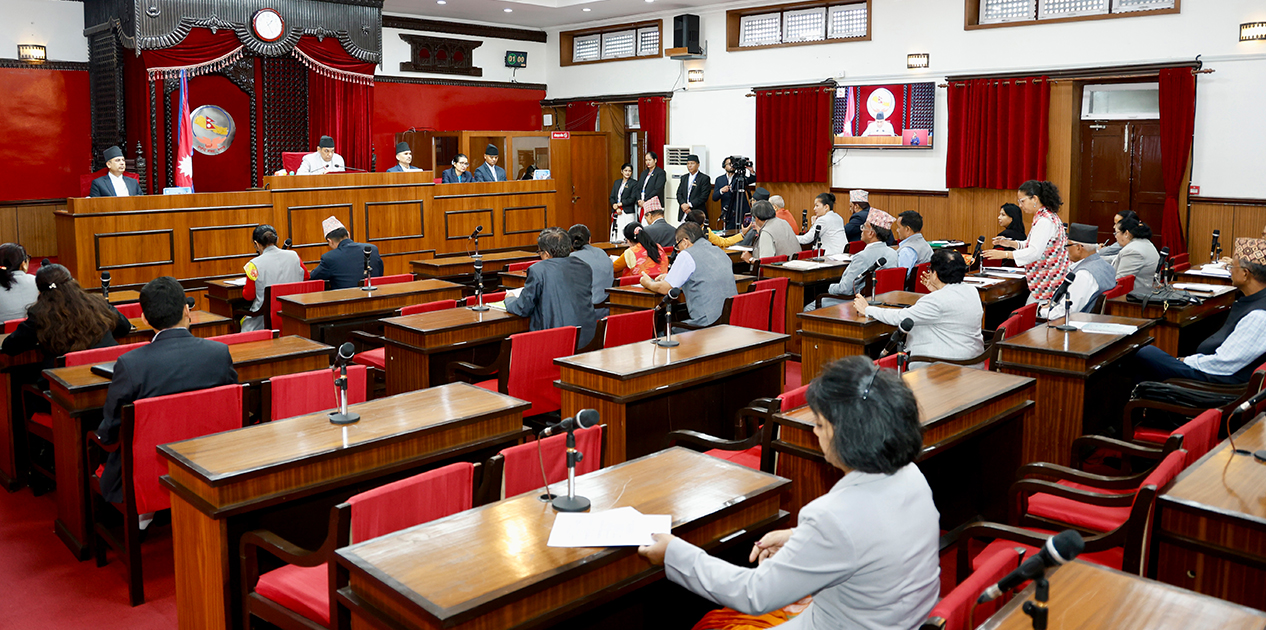
The National Assembly has unanimously approved a proposal to consider the Domestic Air Service Liability Bill, 2083, marking a significant step toward strengthening the legal and regulatory framework governing Nepal’s domestic aviation sector. The proposal was presented by Minister for Culture, Tourism and Civil Aviation Khadak Raj Paudel during Thursday’s meeting of the Upper House and received support from all participating lawmakers.
The proposed legislation is intended to provide clearer provisions concerning the responsibilities of domestic airlines and the circumstances under which airlines may or may not be held liable for disruptions to scheduled flights. The move comes at a time when reliable and safe air connectivity remains essential to Nepal, not only for passengers travelling between different parts of the country but also for the tourism industry, which depends heavily on domestic flights to connect visitors with destinations that are difficult to reach by road.
Natural and technical delays addressed under the proposed law
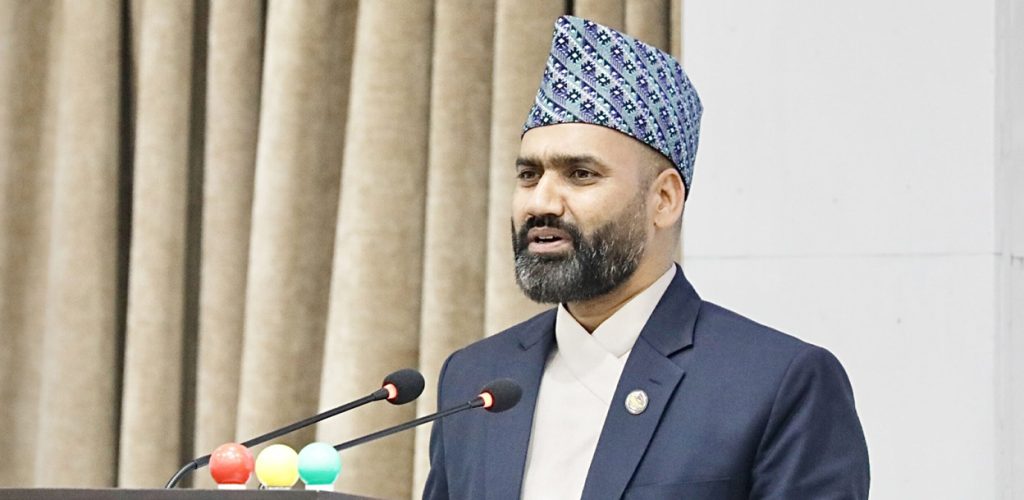
Presenting the proposal, Minister Paudel explained that the national assembly bill contains provisions under which airlines would not incur liability for flight delays caused by natural or other technical circumstances. Such a provision seeks to establish a clearer distinction between delays arising from unavoidable circumstances and those resulting from an airline’s own responsibilities or shortcomings. This is particularly relevant in Nepal, where domestic aviation is frequently affected by weather conditions, difficult geographical terrain, technical issues and other operational factors.

A clearly defined legal framework could help reduce uncertainty over the responsibilities of airlines when flights are disrupted while also providing a more consistent basis for dealing with passenger-related matters. The legislation is therefore significant for both the aviation industry and travelers, as clear rules can help establish greater transparency regarding the circumstances surrounding delays and other disruptions.
Government continues efforts on aviation safety
Minister Paudel also informed the National Assembly that the government is continuing its efforts to address the aviation safety listing of Nepali aircraft in European airspace. He said work was underway to resolve the issue and expressed confidence that results would be visible within six months. The minister’s statement places aviation safety and international confidence at the centre of the government’s current efforts to improve Nepal’s air transport sector.
The issue is particularly important for tourism because international visitors’ confidence in a country’s aviation standards can influence perceptions of travel safety and connectivity. Nepal’s ability to strengthen its aviation safety system and improve its international standing could therefore contribute not only to the development of the aviation industry but also to the country’s efforts to attract visitors and maintain stronger links with international tourism markets.
Stronger aviation regulation could support tourism
The proposed legislation has wider significance for Nepal’s tourism development, as domestic air services provide essential access to some of the country’s most important tourism destinations. Areas such as the Everest region, Mustang and other mountainous destinations rely considerably on air transport because difficult terrain and long road journeys can make alternative travel challenging.
For international tourists with limited time, dependable domestic flights can make it possible to include remote destinations in their itineraries, while for local communities, aviation provides an important connection with larger urban centres. Improvements in airline accountability, passenger-related regulations and aviation safety could therefore have a direct effect on the quality and reliability of the tourism experience. A more predictable domestic aviation system would help tourism operators plan itineraries more effectively and could strengthen travelers’ confidence when moving between Nepal’s major tourism hubs and remote destinations.
Lawmakers raise concerns during parliamentary discussion
Before the proposal was approved, several lawmakers participated in the discussion and presented their views on the proposed legislation and the broader condition of Nepal’s aviation sector. Sonam Gyalzen Sherpa, Gita Devkota, Prem Prasad Dangol, Padam Bahadur Pariyar, Samjhana Devkota, Bhuwan Bahadur Sunar, Yubaraj Sharma, Rukmini Koirala and Narayan Datt Mishra took part in the deliberations.
Their participation demonstrated parliamentary interest in matters surrounding domestic air services, including the need for appropriate regulation and accountability. The discussion also provided an opportunity for lawmakers to raise issues concerning the operation of domestic airlines and the wider challenges facing Nepal’s aviation system before the proposal was put forward for consideration and subsequently approved unanimously.

Broader reforms remain important for Nepal’s aviation sector
The approval of the proposal comes alongside wider government efforts to improve aviation safety and regulatory capacity. Minister Paudel has separately stated that the government is working toward dividing the Nepal Civil Aviation Authority into two autonomous bodies, one responsible for regulation and another for service provision, as part of efforts to strengthen aviation oversight.
He has also described the European Union’s designation as an aviation safety listing and said the government is working to address the concerns associated with it. These developments indicate that the government is pursuing changes beyond the proposed domestic liability legislation, with the broader objective of improving safety, regulation and accountability across Nepal’s aviation system.
Next step in the legislative process
The National Assembly’s approval does not itself enact the bill into law; rather, it allows the proposed legislation to proceed through the parliamentary process for further consideration. The development nevertheless represents an important stage in the government’s attempt to establish clearer rules for domestic air services. With aviation safety, passenger interests and reliable connectivity increasingly important to Nepal’s travel and tourism industry, the eventual implementation of a comprehensive legal framework could influence both airline operations and the experience of passengers travelling within the country. The National Assembly has scheduled its next meeting for September 1 at 1:15 PM, when lawmakers will continue with parliamentary business.