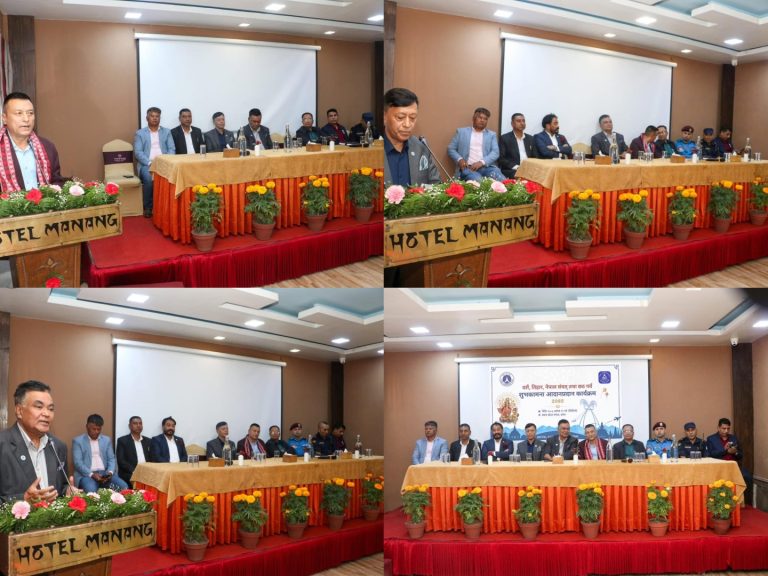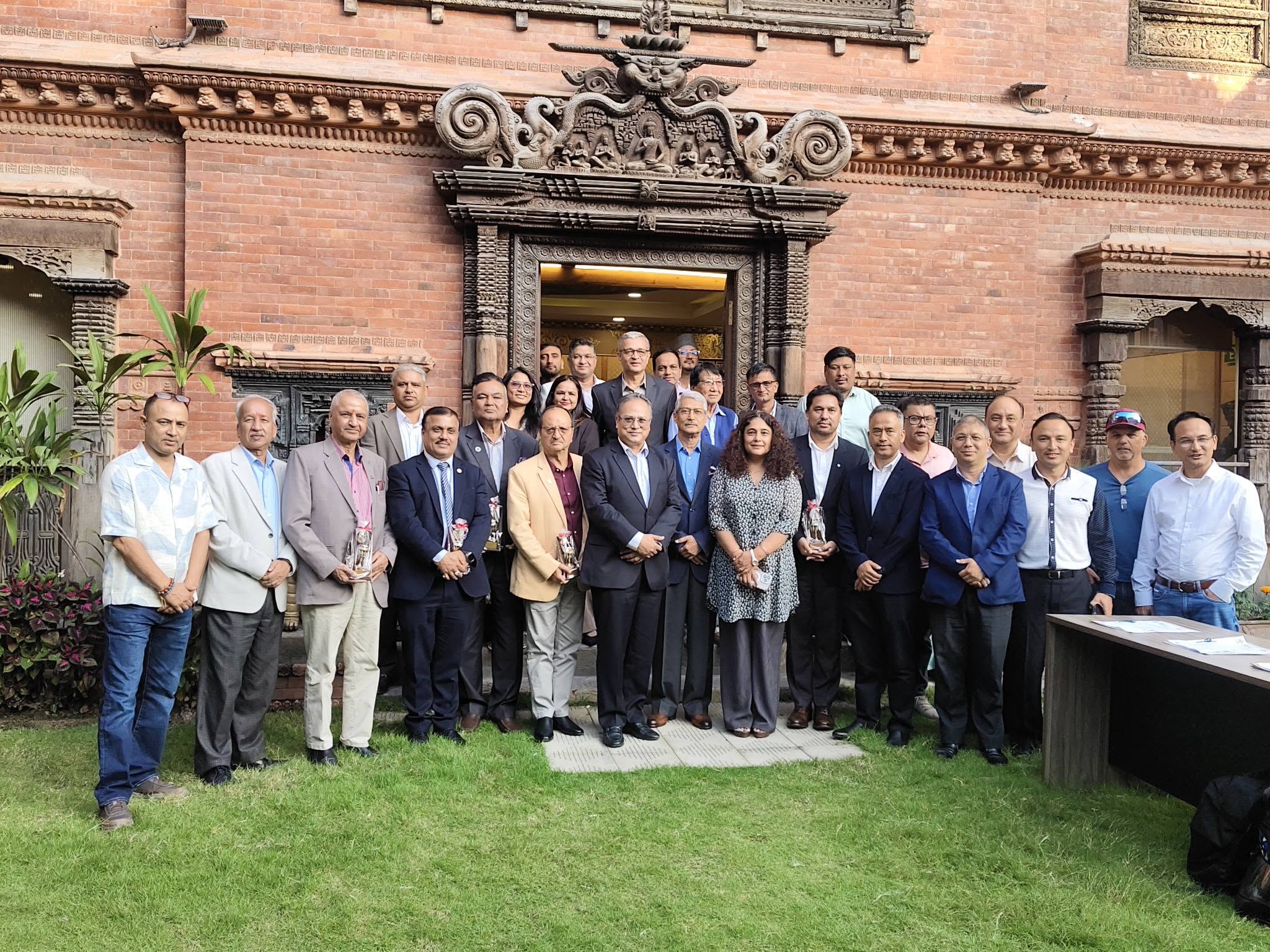
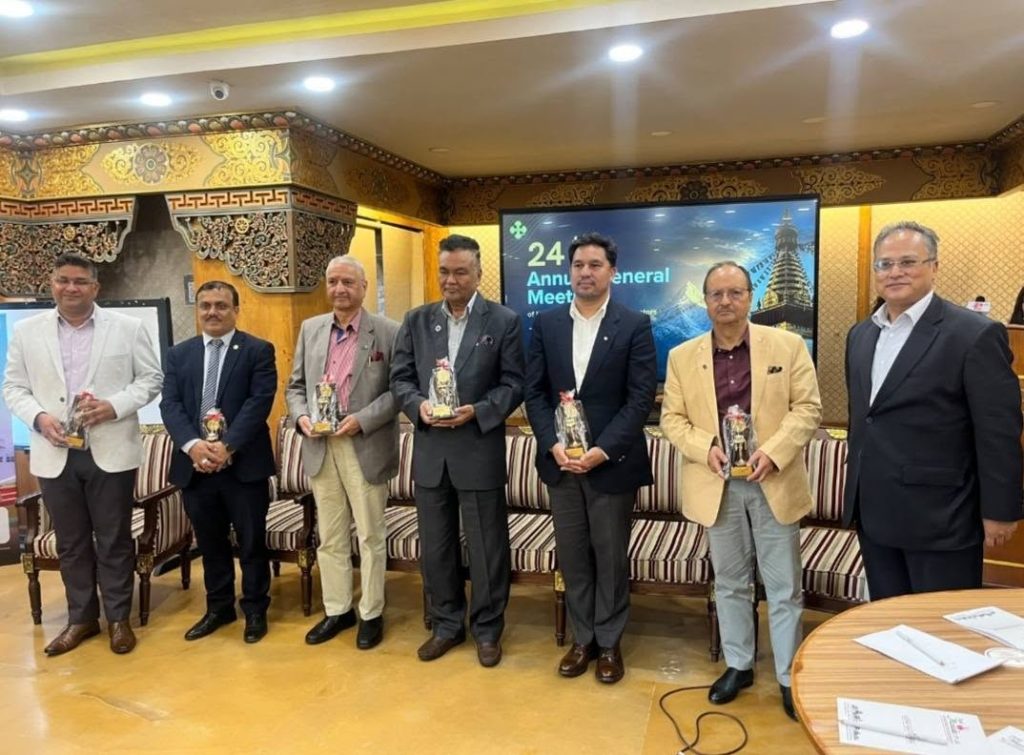
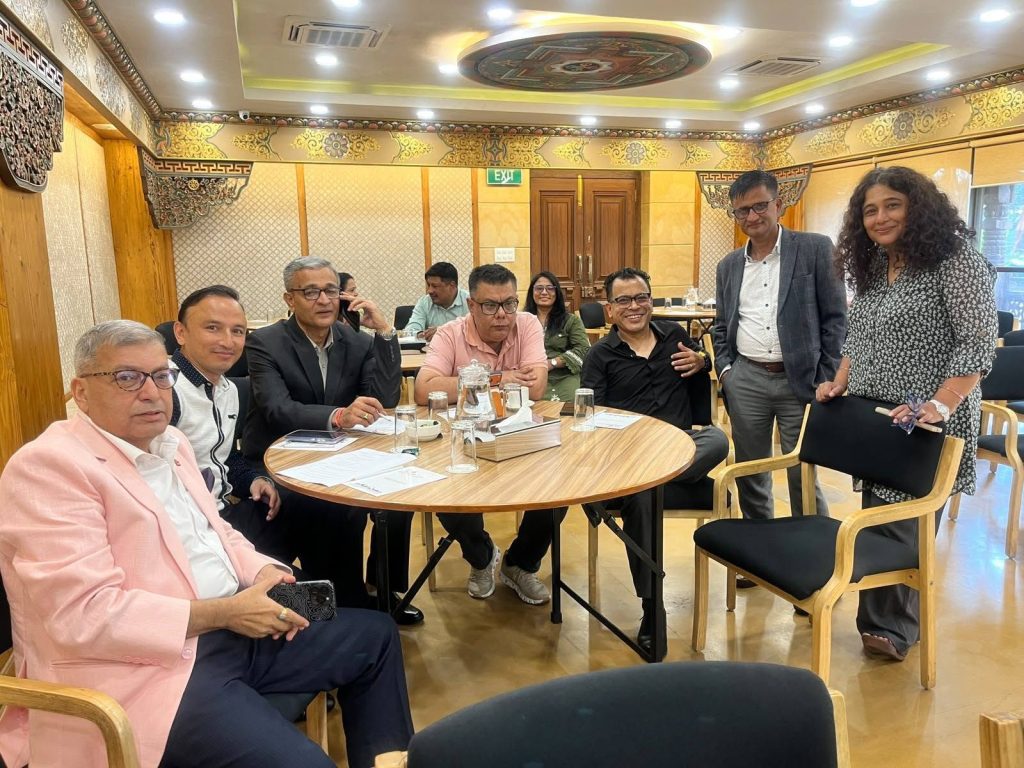
The Nepal Association of Tour Operators (NATO) has called for institutional reforms, stronger public-private collaboration and inclusive tourism development to strengthen Nepal’s tourism industry. The association raised these priorities during its 24th Annual General Meeting (AGM), held on October 13, 2026, at Hotel Manaslu in Kathmandu, bringing together tourism industry leaders, representatives of tourism associations and other key stakeholders to discuss challenges and priorities for the sector.
The AGM focused on improving accountability in tourism-related institutions, addressing aviation and airport operational challenges, strengthening private-sector participation in policymaking, and establishing a stronger collective voice for tourism businesses. The meeting also highlighted infrastructure development for tourists, support for small and medium-sized hospitality businesses, and improved connectivity for international visitors.
NATO Calls for Institutional Reforms and Tourism Policy Improvements
The AGM was chaired by NATO President Bishwesh Shrestha. During the meeting, General Secretary Deenam Lamichhane presented the association’s progress report, while Treasurer Surendra Guruwacharya presented the financial report and proposed budget. The discussions emphasized the need for structural accountability and institutional reforms within key tourism-related bodies, particularly the Nepal Tourism Board (NTB) and Nepal Airlines Corporation (NAC).
NATO also highlighted concerns over tourism policy decisions made without adequate consultation with private-sector representatives. The association stressed that tourism entrepreneurs and industry organizations should have a meaningful role in policymaking, given their direct involvement in delivering tourism services and attracting visitors. It also called for tourism to receive formal legal recognition as an industry, a step the association considers important for strengthening the sector’s institutional standing and supporting its long-term development.
Airport Challenges and Aviation Issues Draw Attention
Operational challenges at Tribhuvan International Airport (TIA) were another key issue raised during the AGM. NATO highlighted prolonged aircraft holding delays and their implications for airline operations, passenger convenience and airfares. Such operational difficulties can affect the overall travel experience and create challenges for tourism businesses that depend on reliable air connectivity and predictable travel schedules.
The discussions underscored the importance of addressing airport operational bottlenecks and improving coordination among relevant aviation authorities and service providers. For a destination such as Nepal, where international air access plays a major role in bringing tourists into the country, efficient airport operations and reliable connectivity are important to maintaining visitor confidence and supporting the growth of tourism-related businesses.
Tourist Infrastructure and Inclusive Tourism Development
NATO also highlighted its initiative to construct an international-standard public toilet facility for tourists in Gajuri, Dhading. The project reflects the importance of improving basic tourism infrastructure along travel routes and ensuring that visitors have access to essential facilities while travelling through different parts of the country. Better roadside amenities can contribute to a more comfortable travel experience and support the development of destinations beyond major urban centres.
The association further emphasized the need for inclusive tourism development, particularly to protect the interests of small and medium-sized hotels, lodges and homestays. These businesses contribute to local employment, community participation and tourism services in destinations across Nepal. NATO stressed that tourism development policies and institutional decisions should consider the needs of businesses of different sizes to ensure that growth opportunities are shared more widely across the industry.
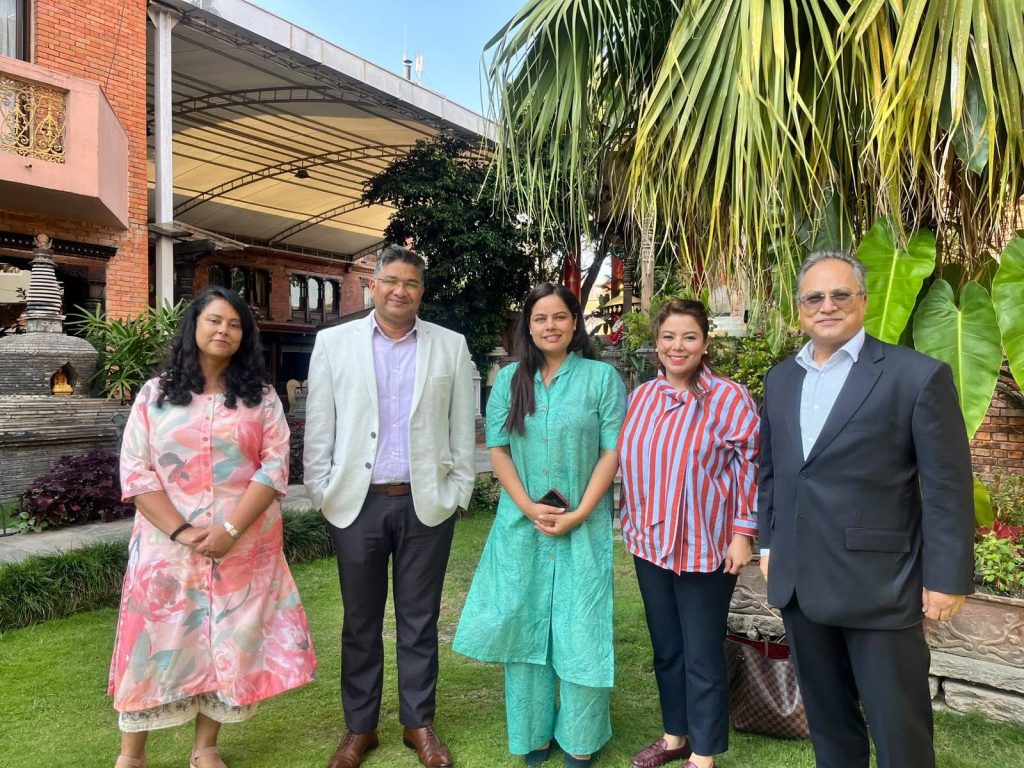
Tourism Associations and Private Sector Strengthen Cooperation
The AGM highlighted the importance of stronger cooperation among tourism associations to establish a unified industry voice. NATO identified the potential for closer collaboration among organizations including PATA Nepal Chapter, the Nepal Association of Tour and Travel Agents (NATTA), Hotel Association Nepal (HAN), the Trekking Agencies’ Association of Nepal (TAAN) and SKAL Nepal. Greater coordination among these organizations could help tourism stakeholders present common concerns, strengthen advocacy and work collectively on issues affecting the sector.
The meeting also featured a presentation by Ncell on its Connectivity Project for Travellers to Nepal, highlighting private-sector participation in efforts to improve connectivity for visitors. NATO expressed appreciation to the participating guests, member organizations, partner associations, Ncell and Hotel Manaslu for their support in making the AGM successful. The 24th AGM reaffirmed NATO’s focus on institutional reform, inclusive growth, sustainable tourism and responsible industry development. By bringing tourism stakeholders together to discuss shared challenges and priorities, the association emphasized that strengthening Nepal’s tourism sector requires coordinated action, meaningful private-sector participation and long-term cooperation among public institutions and industry organizations.