The process of implementing a modern air navigation and landing system at Pokhara International Airport has moved forward, with the aim of reducing flight disruptions caused by adverse weather and low visibility, including diversions to other airports and cancellations.
The Civil Aviation Authority of Nepal (CAAN) has initiated the necessary technical study for introducing the Required Navigation Performance, Authorization Required (RNP-AR) approach and landing procedure at the airport. According to CAAN, the preliminary study for implementing the system has already been completed.
Existing System Faces Operational Challenges
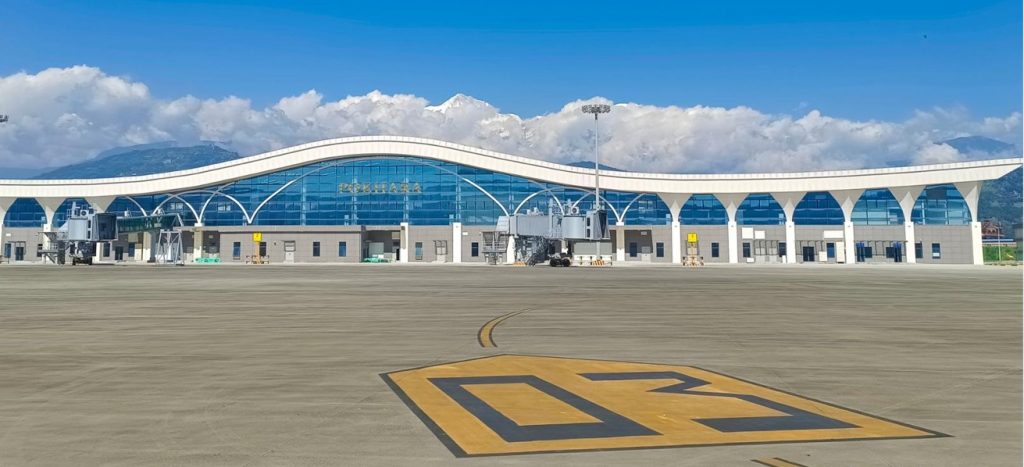
Pokhara International Airport currently operates a radio-based navigation and landing system. However, the airport’s geographical location, surrounding mountainous terrain and certain technical and operational limitations can create challenges for flight operations during adverse weather and periods of poor visibility.
These conditions have occasionally affected the ability of aircraft to approach and land at the airport, increasing the possibility of diversions, repeated landing attempts and flight cancellations. To address these challenges, CAAN has prioritized the development and implementation of satellite-based navigation and landing systems at the airport. The preliminary study for introducing the RNP-AR procedure is part of this initiative.
Detailed Design and Safety Assessment Next
The implementation of RNP-AR will require several additional technical and regulatory processes. These include detailed procedure design, technical validation, safety assessment and obtaining the necessary approvals in accordance with applicable aviation regulations and standards.
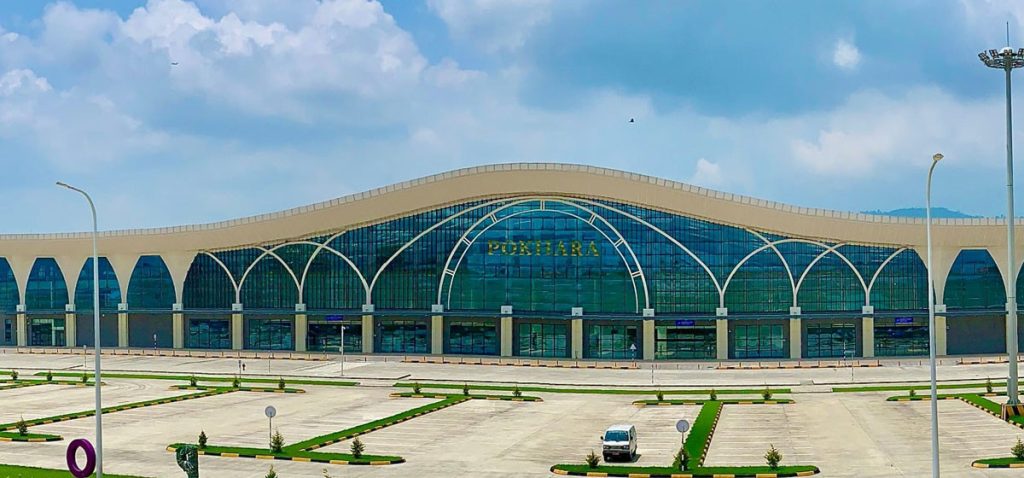
Once the required processes and approvals are completed, the system is expected to improve aircraft operations at Pokhara during periods of reduced visibility and unfavorable weather conditions. RNP-AR is a performance-based navigation procedure that can provide aircraft with more precise approach paths, particularly at airports where surrounding terrain and other geographical conditions can complicate conventional approach procedures.
Expected to Reduce Diversions and Cancellations
The introduction of the system is expected to reduce the number of flights that have to be diverted to alternative airports because of adverse weather conditions. It could also help minimize situations in which aircraft are unable to complete an approach and have to make another attempt, as well as weather-related cancellations. The improved navigation capability is expected to contribute to more regular, reliable and safe air services for passengers using Pokhara International Airport.

Minister Calls It a Major Step for Pokhara Aviation
Minister for Culture, Tourism and Civil Aviation Khadak Raj Paudel (Ganess) described the advancement of the RNP-AR implementation process as an important step toward making air services in Pokhara safer, more regular and more reliable. “The process of implementing the RNP-AR approach procedure at Pokhara International Airport has moved forward. It is expected to help reduce flight disruptions, diversions to other airports, and cancellations caused by adverse weather and low visibility,” Minister Paudel said. He said the initiative would contribute to improving the safety, reliability and regularity of air services at Pokhara International Airport.
CAAN Prioritizes Modern Navigation Technology
CAAN has said it remains committed to making air transport safer, more efficient, regular and reliable through the development and implementation of modern, technology-based air navigation systems. The planned RNP-AR procedure is therefore expected to strengthen the operational reliability of Pokhara International Airport and support the broader development of air connectivity and tourism in the Pokhara region.