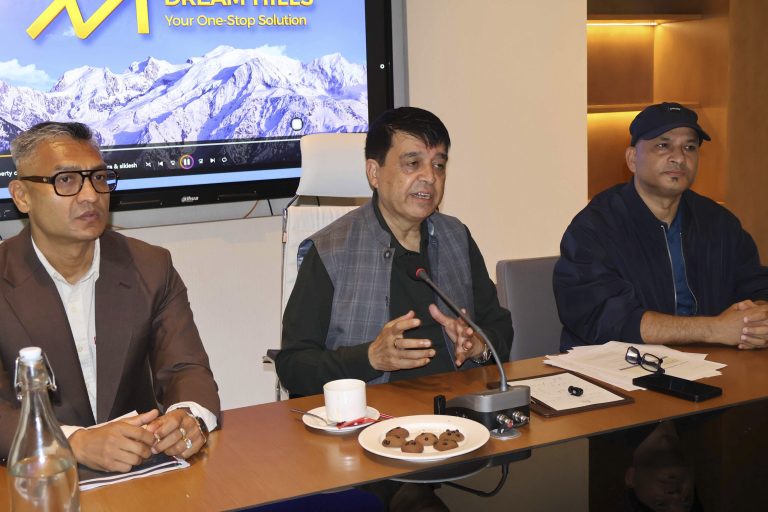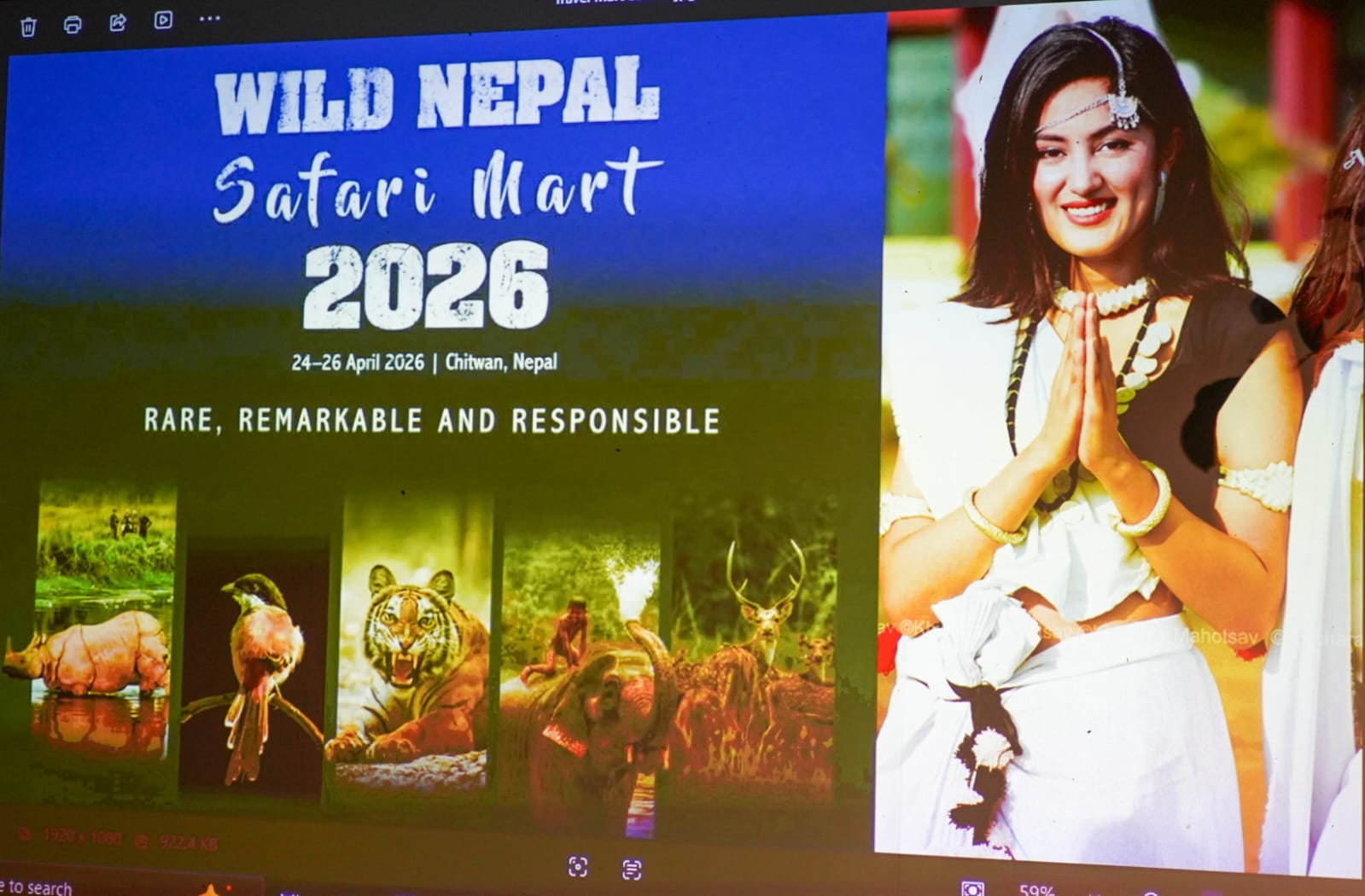
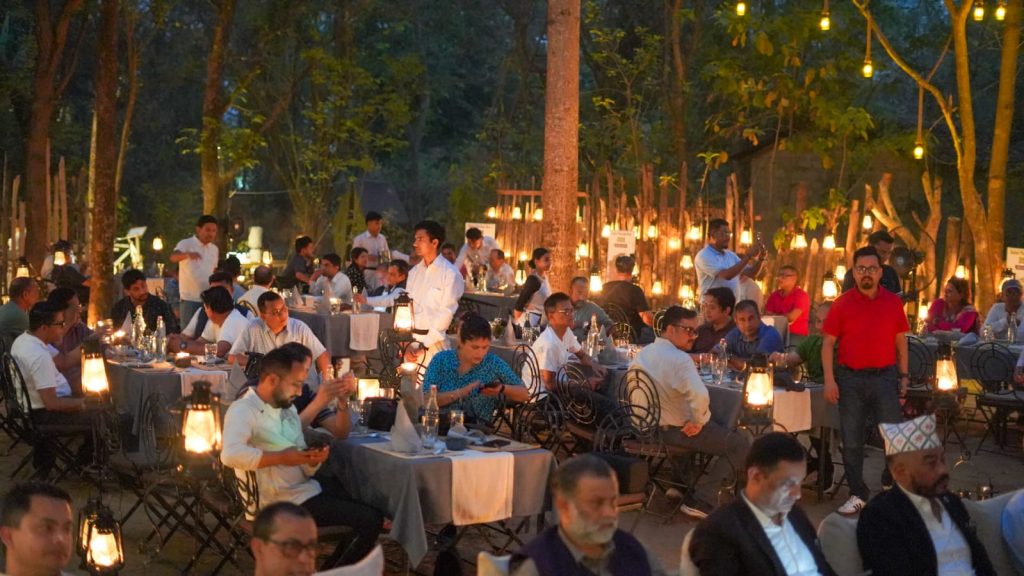
Nepal Tourism Board has launched its first-ever international Safari Tourism Mart in Meghauli, marking a significant shift in the country’s tourism strategy toward high-value, sustainable wildlife experiences. The event, titled Wild Nepal Safari Mart 2026, brings together global tourism buyers, conservationists, and domestic stakeholders in an effort to strengthen Nepal’s presence in the international wildlife tourism market.
Organized in collaboration with local governments and private sector partners, the Mart has attracted more than 30 international delegates representing countries such as Bangladesh, India, Thailand, Turkey, and Germany. The initiative is being seen as a strategic move to diversify Nepal’s tourism offerings beyond its traditional mountaineering appeal.
Spotlight on Wildlife Destinations on Safari Tourism Mart
The Mart prominently features Nepal’s key protected areas, including Chitwan National Park, Shuklaphanta National Park, and Koshi Tappu Wildlife Reserve. These destinations are central to Nepal’s wildlife tourism narrative, offering diverse ecosystems that support rare and endangered species.
Officials believe these areas demonstrate Nepal’s successful model of conservation where biodiversity protection, tourism development, and community participation coexist. The event also includes field visits designed to give international delegates firsthand experience of jungle safaris, bird watching, and eco-lodge hospitality.
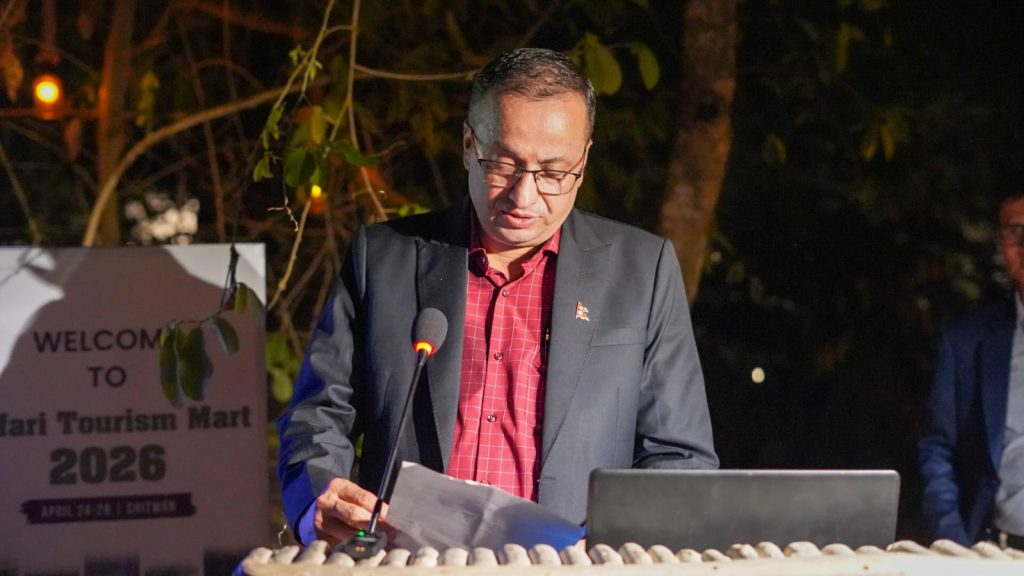
Government Highlights Conservation Success
Speaking at the opening session held on April 24, 2026, Secretary at the Ministry of Culture, Tourism and Civil Aviation, Mukunda Prasad Niraula, described the Mart as a milestone platform for elevating Nepal’s wildlife tourism profile globally. He emphasized that Nepal’s identity extends beyond the Himalayas, highlighting its rich biodiversity and cultural heritage.
Niraula pointed to Chitwan as a leading example of conservation success, noting how local communities have become active participants in preserving ecosystems while benefiting economically from tourism. According to him, such integrated approaches demonstrate Nepal’s ability to balance environmental protection with development.
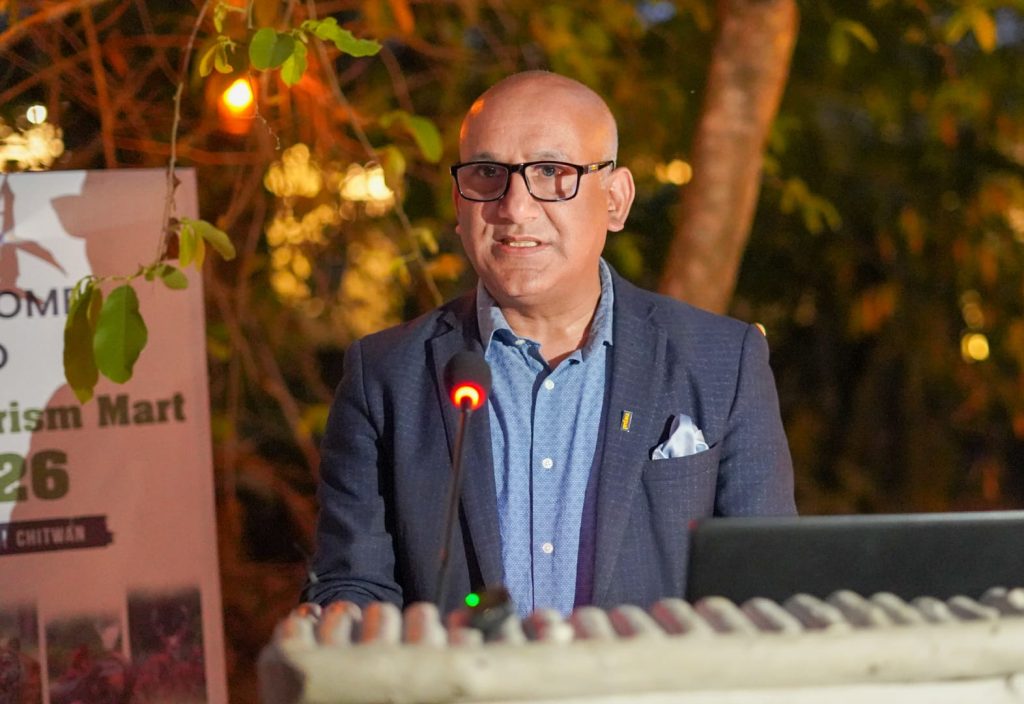
Tourism Board Pushes ‘Responsible Travel’ Vision
Chief Executive Officer of the Nepal Tourism Board, Deepak Raj Joshi, framed the event around the theme “Rare, Remarkable and Responsible,” underscoring a broader vision for Nepal’s tourism future.
He highlighted that despite occupying less than 0.1 percent of the global landmass, Nepal hosts an extraordinary range of biodiversity, from Bengal tigers and one-horned rhinoceroses to snow leopards and red pandas. However, he stressed that the future of tourism must focus on sustainability rather than just increasing visitor numbers.
According to Joshi, responsible tourism involves protecting ecosystems, supporting local communities, and ensuring climate-conscious practices. He noted that the Safari Mart aims to establish Nepal as a long-term, nature-positive destination in the global tourism industry.
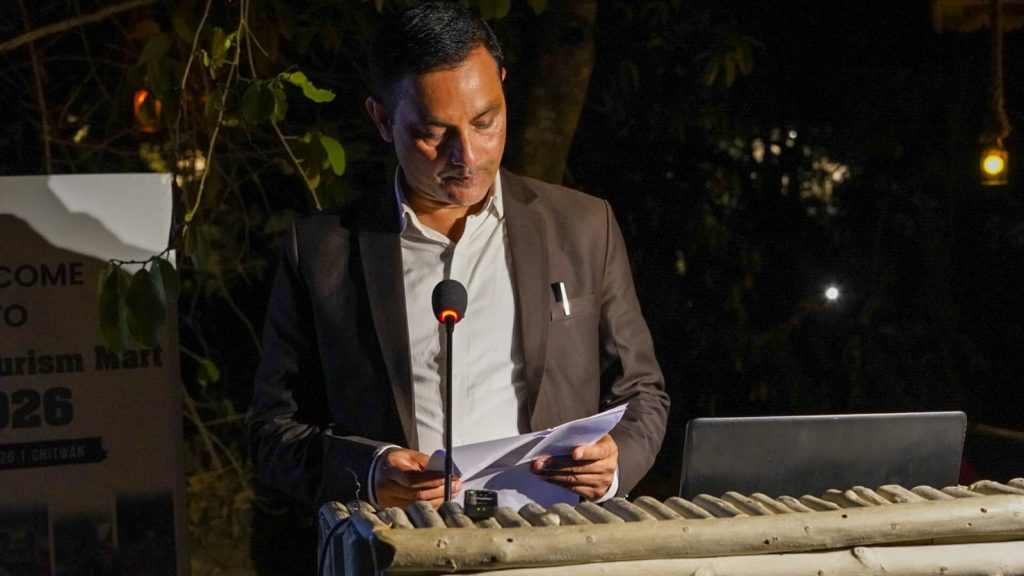
Strengthening Global Partnerships in Safari Tourism Mart
Vice Chairperson of the Nepal Tourism Board, Ram Prasad Sapkota, described the Mart as more than a conventional business event. He said it serves as a bridge connecting international buyers with Nepal’s local tourism entrepreneurs and conservation stakeholders.
Through structured B2B meetings and immersive destination experiences, organizers expect international delegates to promote Nepal in their respective markets. The initiative is designed to create long-term partnerships that can drive consistent tourist inflow and global visibility.
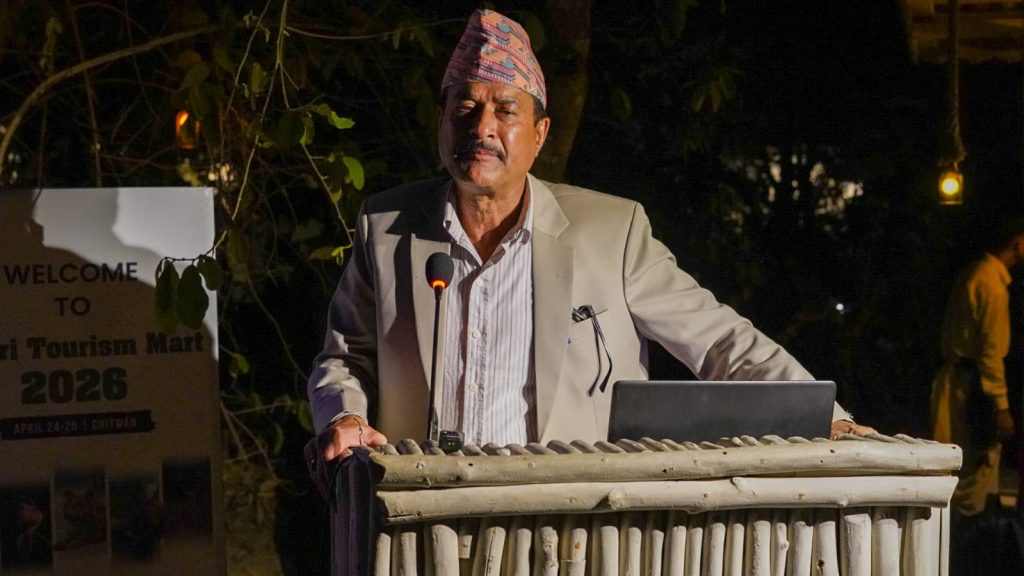
Local Governments Step Forward
Bharatpur Metropolitan City has emerged as a key host for the event, with Acting Mayor Chitrasen Adhikari expressing confidence in the region’s potential to become a global wildlife tourism hub. He emphasized the role of local governments in improving infrastructure, promoting sustainable practices, and engaging communities in tourism activities.
Meghauli, located near Chitwan National Park, has increasingly gained recognition for its luxury eco-resorts and proximity to prime wildlife habitats, making it a strategic location for hosting such international events.

Global Perspective on Conservation Tourism
International conservationist Mohit Agrawal, delivering the keynote address, highlighted a growing global trend toward responsible travel. He noted that modern travelers are increasingly seeking destinations that offer meaningful connections with nature while maintaining ecological balance.
Agrawal introduced the concept of “animal diplomacy,” where wildlife serves as a symbol of global cooperation and coexistence. He remarked that Nepal stands out as a model destination due to its strong conservation practices and community-led stewardship. According to him, Nepal offers not just tourism experiences but also a living example of how humans and nature can thrive together.
Strategic Platform for Long-Term Growth
Senior Manager at the Nepal Tourism Board, Surya Thapaliya, described the Safari Mart as a long-term strategic initiative rather than a one-time event. He explained that the Safari Mart is designed to connect Nepal’s wilderness tourism products with global markets through storytelling, partnerships, and targeted promotion. Thapaliya added that such initiatives play a crucial role in transforming seasonal destinations into year-round tourism products, helping Nepal maintain a steady flow of international visitors.
Cultural Showcases and Knowledge Sharing
Alongside business sessions, the event features presentations from conservation experts. Dr. Bishwo Raj Subedi discussed challenges and opportunities in Chitwan’s tourism sector, while Ganesh Pant, Warden of Chitwan National Park, highlighted conservation achievements and future priorities.
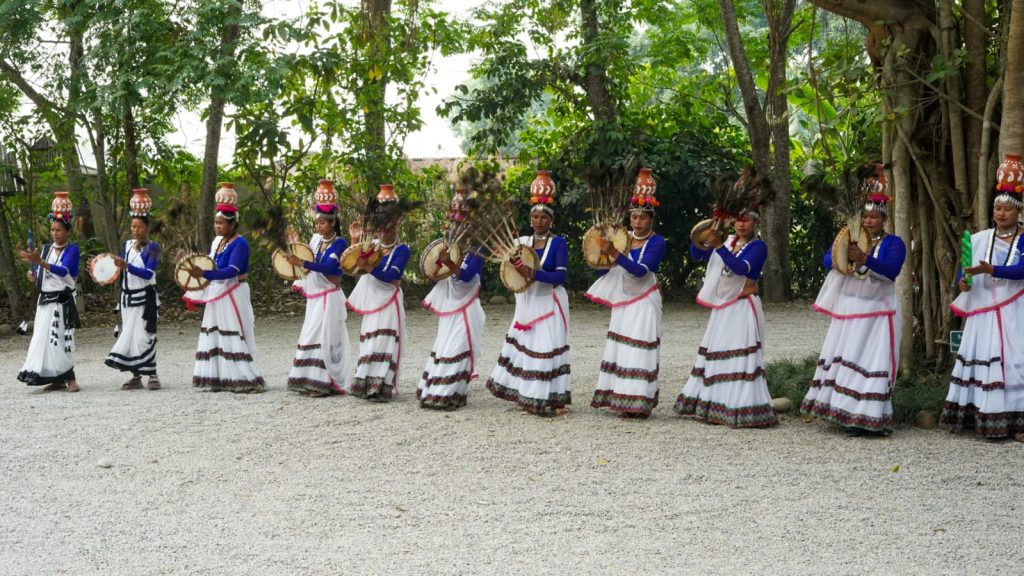
Delegates also experienced cultural performances, including traditional Tharu and Kumal dances, providing insight into the region’s indigenous heritage. These programs aim to complement the business aspect of the Mart with cultural immersion.
Positioning Nepal on the Global Map
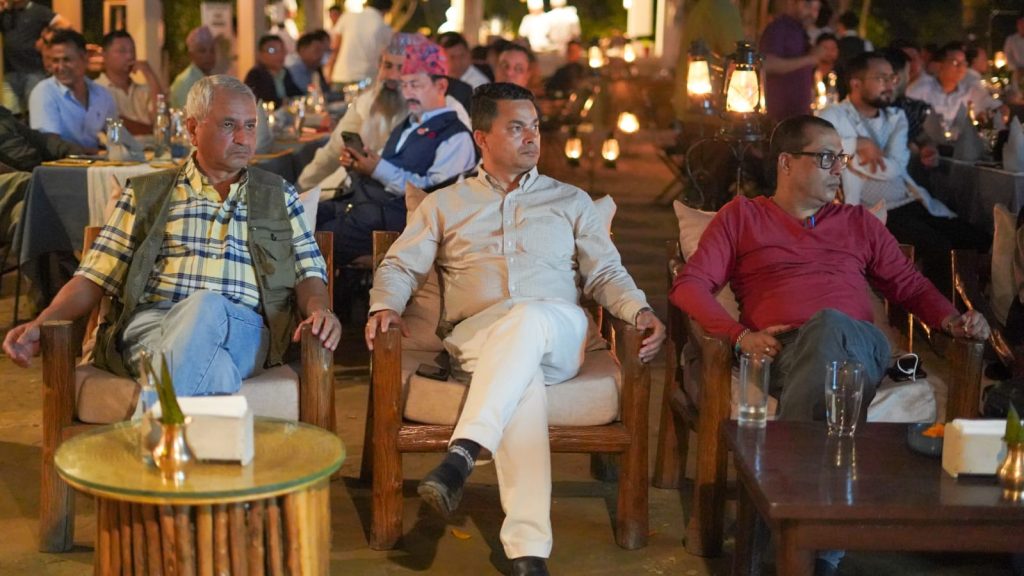
With a combination of networking, site visits, and cultural engagement, the Wild Nepal Safari Mart 2026 is expected to play a key role in positioning Nepal as a leading destination for sustainable wildlife tourism.
Stakeholders believe that by focusing on responsible travel and conservation-driven tourism, Nepal can attract high-value visitors while preserving its natural and cultural assets. The success of this inaugural edition could pave the way for the Safari Mart to become a flagship international tourism event in the years ahead.