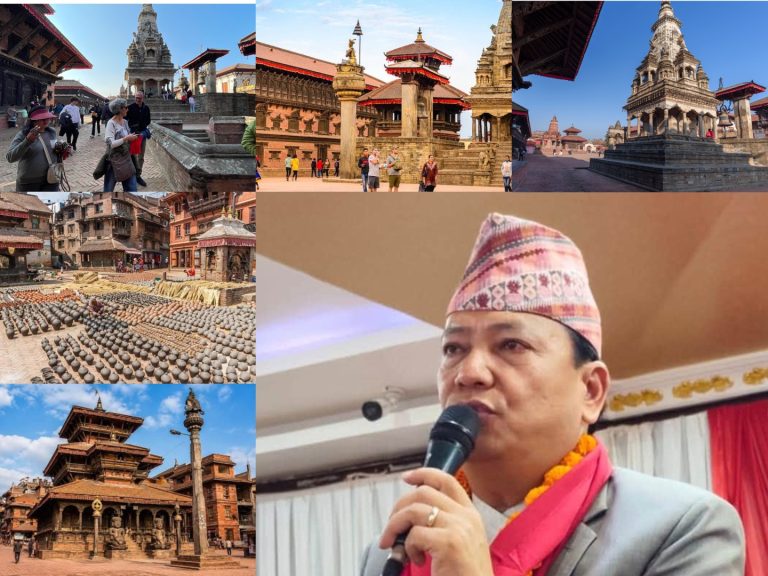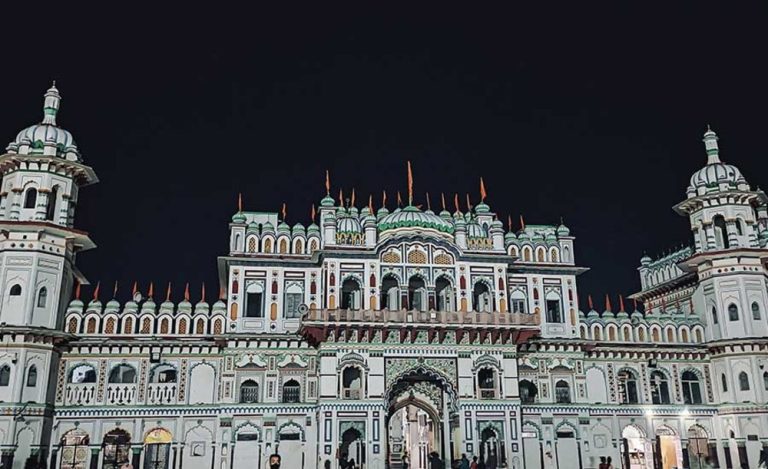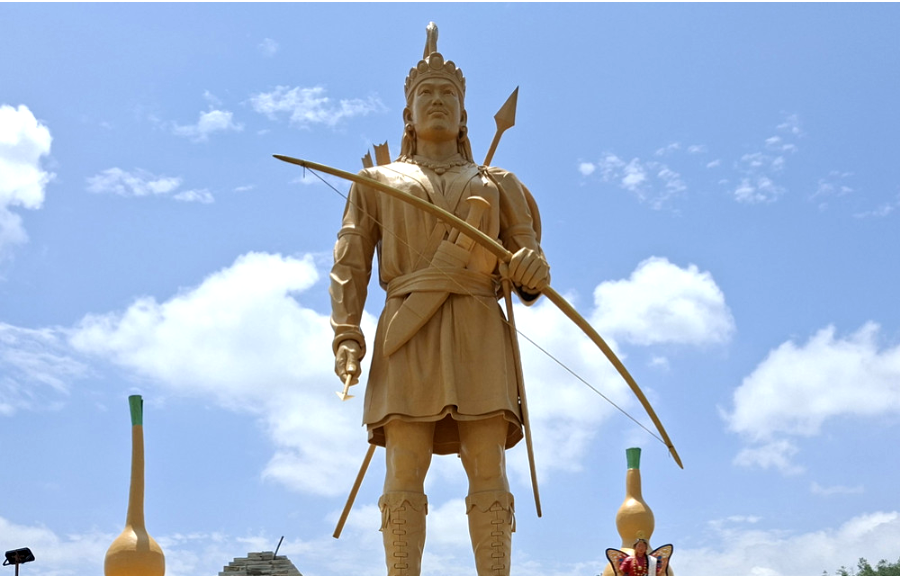
Who Was King Yalambar?
Yalambar is widely regarded as the first king of the Kirat dynasty and one of the earliest rulers in the recorded history of Nepal. Believed to have established his kingdom around 800 B.C., Yalambar was a Newari warrior king who laid the foundation of Kirati civilization in the Himalayan region. His capital, known as Yalakhom, present-day Kathmandu Valley, became the center of political, cultural, and social life.
Under his leadership, the Kirat kingdom expanded significantly, stretching from the Trishuli River in the west to the Teesta River in the east, covering vast territories across present-day Nepal and parts of Bhutan. His reign marked the beginning of a long Kirati rule that continued for over a millennium through 31 successive generations.

Yalambar in Mythology and the Mahabharata Connection
King Yalambar is not only a historical figure but also deeply rooted in mythological narratives. He is often identified with Barbarik, a legendary warrior mentioned in the ancient epic Mahabharata. According to legend, Barbarik was the grandson of Bhima and son of Ghatotkacha.
It is believed that Barbarik vowed to support the losing side in the great battle of Kurukshetra. Recognizing the immense power he possessed, Krishna intervened and, through divine strategy, beheaded him to maintain the balance of the war. Barbarik’s severed head is said to have witnessed the entire battle.
In Nepal, this mythological connection is honored through the worship of Akash Bhairav, believed to be the manifestation of Yalambar’s spirit. His legacy lives on not just in history but also in living traditions and religious practices.
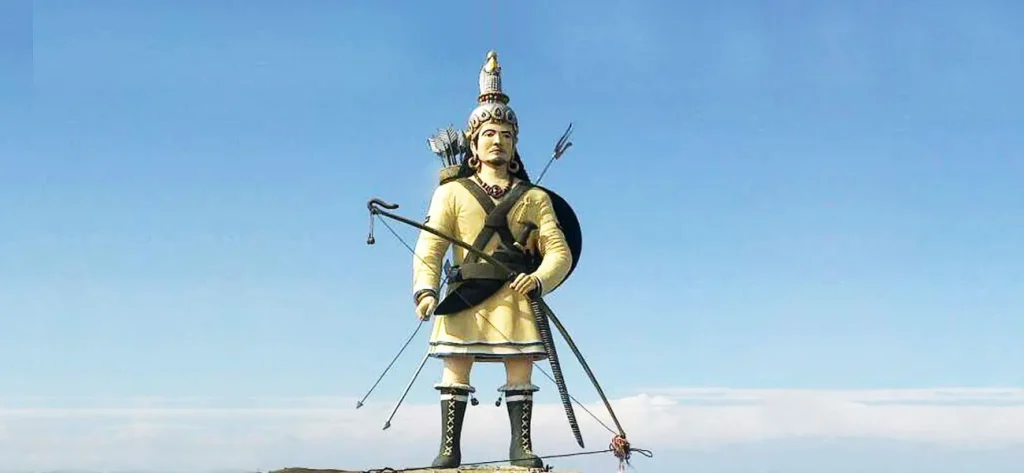
Cultural Contributions and Historical Significance
Yalambar’s rule established the Kirati identity, which continues to influence Nepal’s ethnic and cultural diversity. The Kirat people, including present-day Rai communities, trace their ancestry back to this ancient lineage.
His governance contributed to the early organization of settlements, trade routes, and cultural systems in the Kathmandu Valley. The name “Yala,” still used for Lalitpur in the Newari language, is believed to be derived from Yalambar, reflecting his enduring influence on the region. After centuries of Kirati rule, the dynasty was eventually succeeded by the Licchavi kingdom, marking a transition into another important phase of Nepal’s history.
Tourism and Heritage: Yalambar’s Living Legacy
Today, the legacy of King Yalambar plays a vital role in Nepal’s cultural tourism. Historical sites, religious shrines, and traditional festivals connected to his life and mythology attract both domestic and international visitors.
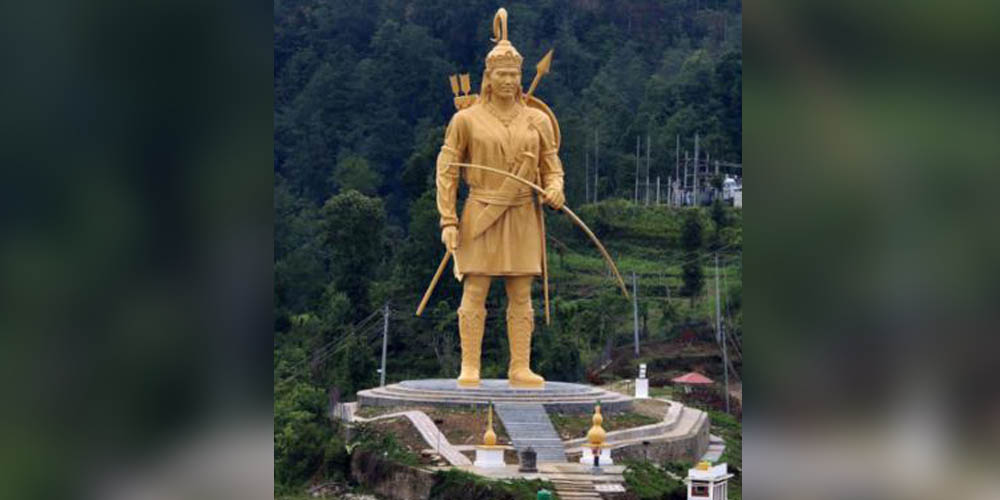
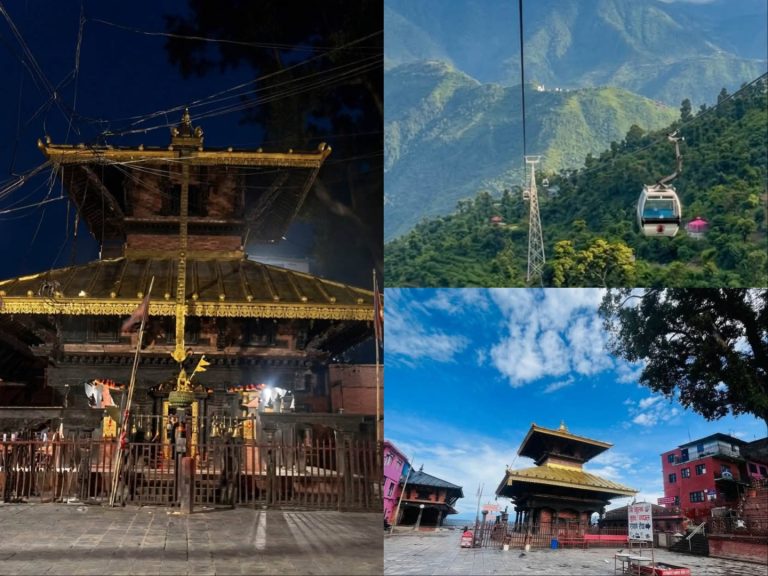
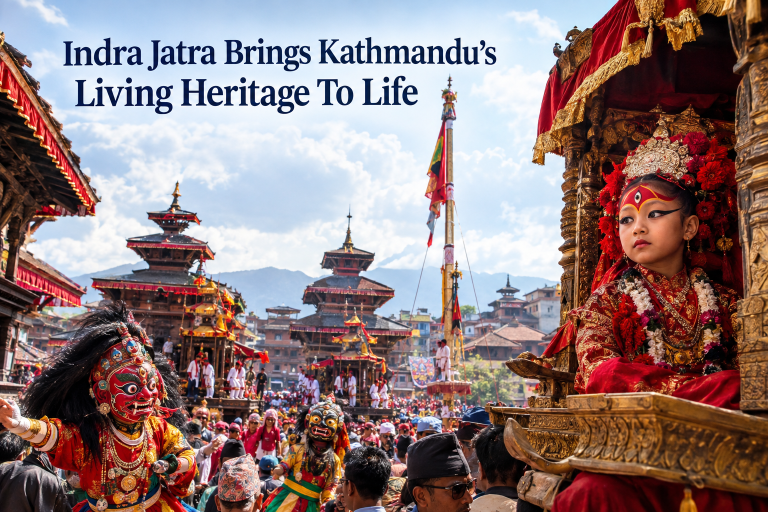
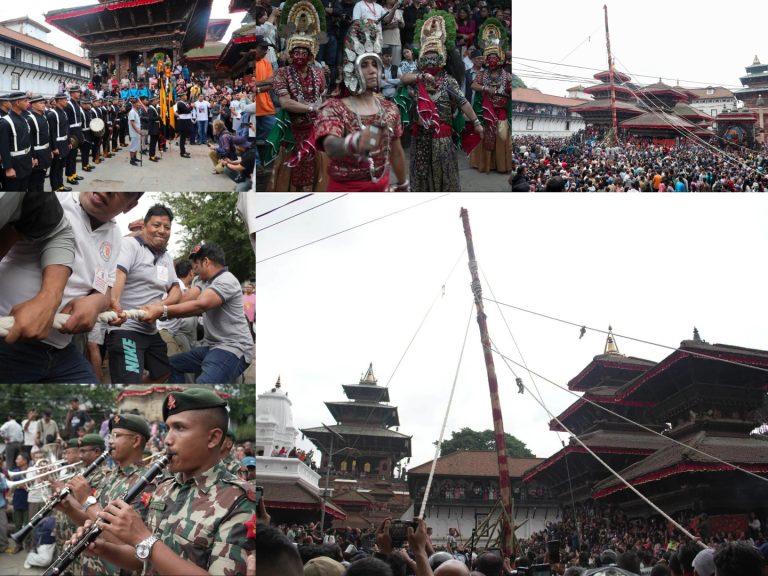
One of the most prominent events linked to Yalambar is Indra Jatra, a vibrant festival celebrated annually in Kathmandu. During this festival, the deity Akash Bhairav, associated with Yalambar, is worshipped with great faith. The celebration showcases traditional dances, chariot processions, and living cultural practices, offering tourists a unique glimpse into Nepal’s heritage. The Akash Bhairav Temple in Indrachowk stands as a major religious and cultural landmark. It remains a focal point for devotees and visitors interested in exploring Nepal’s ancient traditions.
Kirati Heritage and Tourism Potential
The Kirati civilization, founded by Yalambar, has immense untapped tourism potential. From ancient settlements in eastern Nepal to cultural practices preserved by Kirati communities, the legacy offers opportunities for cultural tourism, heritage trails, and anthropological exploration.
Regions historically linked to Kirati settlements can be developed as tourism circuits, highlighting indigenous traditions, rituals, and lifestyles. Such initiatives could diversify Nepal’s tourism offerings beyond trekking and mountaineering, promoting inclusive and community-based tourism.

Bridging History and Modern Tourism
King Yalambar stands as a bridge between Nepal’s ancient past and its modern tourism aspirations. His contributions to early states formation, cultural identity, and mythological heritage continue to shape the nation’s historical narrative.
By preserving and promoting sites and traditions associated with Yalambar, Nepal can further strengthen its cultural tourism sector. His story, blending history, legend, and living culture, offers a compelling narrative that can attract global audiences while fostering national pride. In essence, Yalambar is not just a figure of the past, but a timeless symbol whose legacy continues to enrich Nepal’s identity and tourism potential.