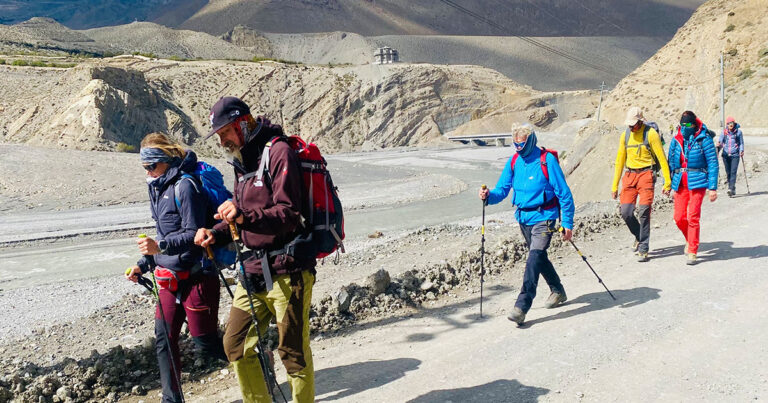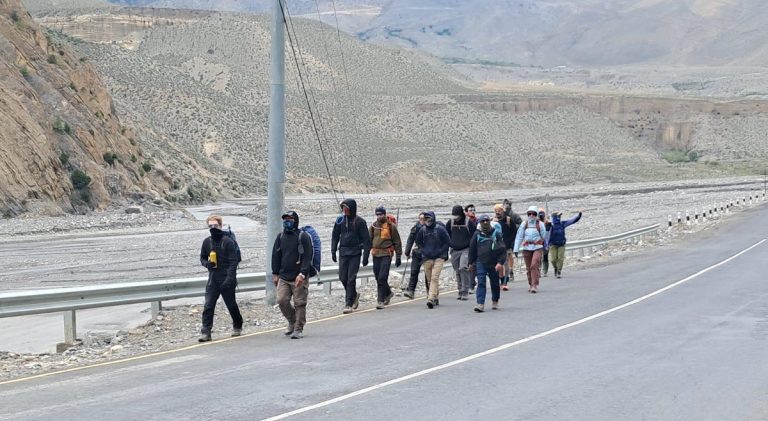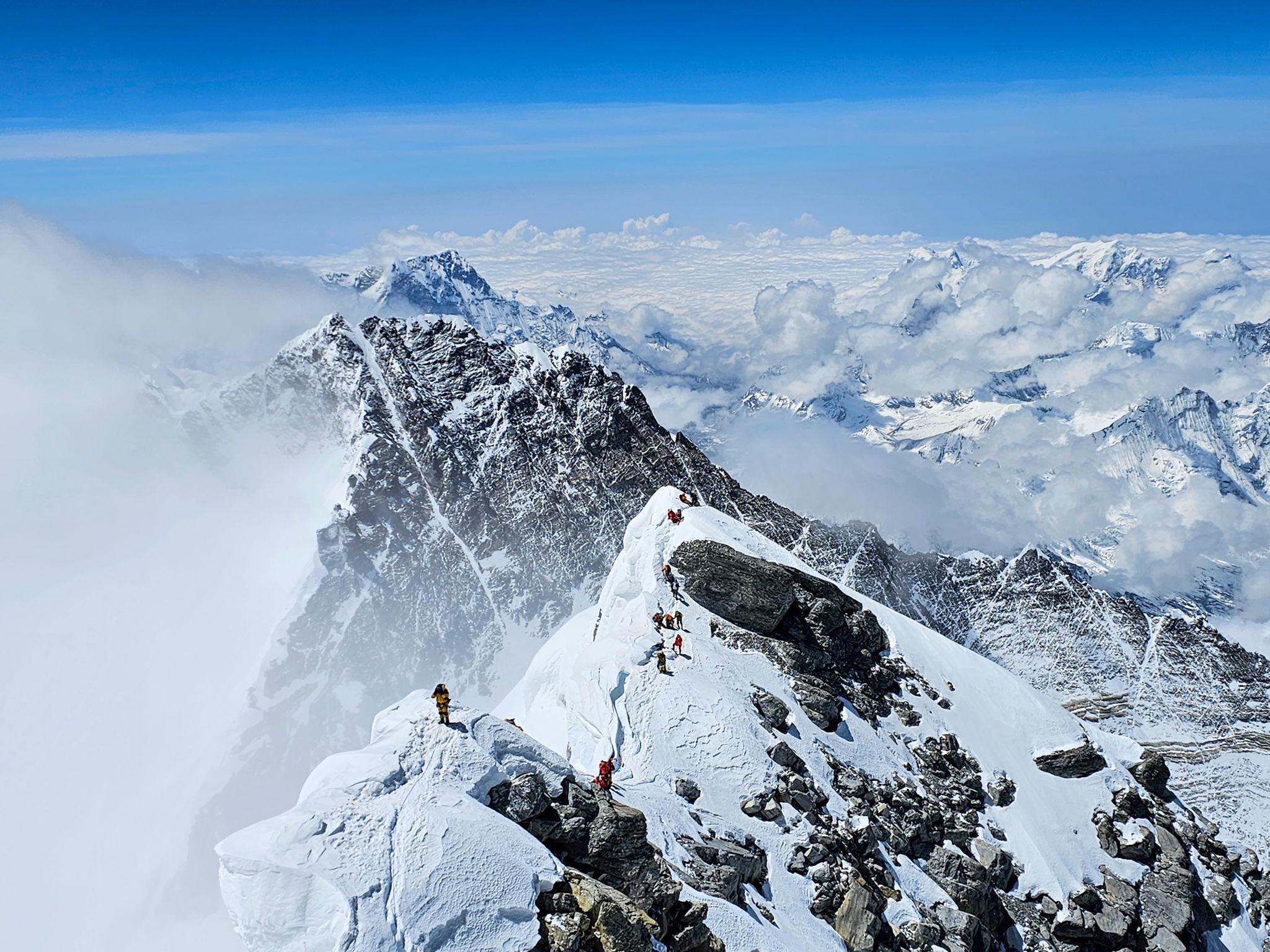
Nepal has issued climbing permits to 944 mountaineers from 76 countries for the Spring 2026 expedition season, covering 30 Himalayan peaks, according to updated data released by the Department of Tourism as of April 23.
The permits have generated a total royalty income of USD 6,912,321 (approximately Rs 1.02 billion), crossing the Rs 1 billion mark for the season and highlighting Nepal’s continued dominance in global high-altitude tourism. Among the total climbers, 243 are female and 701 are male, reflecting steady participation growth across genders in Himalayan expeditions.

Mount Everest Leads in Climbers and Revenue Contribution in Nepal
The world’s highest peak, Mount Everest, remains the primary attraction, drawing 410 climbers across 41 expedition teams. Everest alone has generated USD 5,982,041.76 in royalties, accounting for nearly 87 percent of total revenue from all peaks.
Climbers on Everest come from a wide range of countries, with China leading with 98 participants across all peaks. The United States follows with 100 climbers overall and 49 on Everest alone. India has 71 climbers across all peaks and 46 on Everest, while the United Kingdom has 64 across all peaks and 28 on Everest. Russia has also contributed significantly with 60 climbers across all peaks and 18 on Everest. Germany has emerged as the largest European contributor with 65 climbers, while Japan has 35 across all peaks and 14 on Everest.
Lhotse, Makalu and Other Peaks See Strong Interest in Nepal
Beyond Everest, several other eight-thousanders have attracted significant interest this season. Mount Lhotse is the second most popular peak with 86 climbers across seven teams, generating USD 258,000 in royalties.
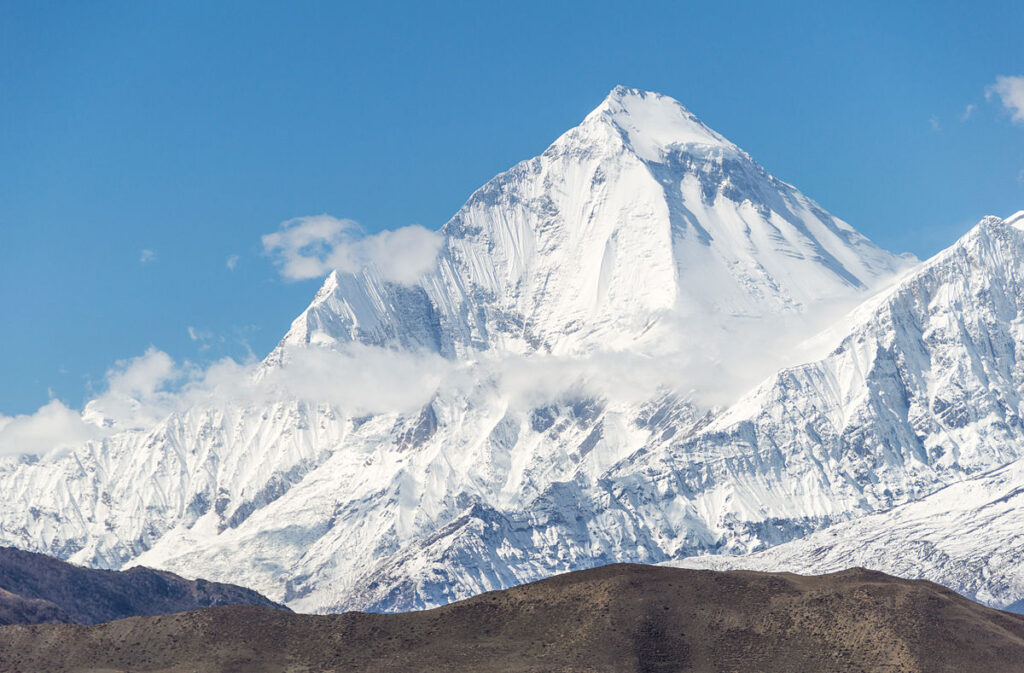
Mount Makalu has drawn 54 climbers, contributing USD 159,330 in revenue. Mount Dhaulagiri I has 30 climbers across four teams, while Mount Annapurna I has 27 climbers from four teams. Mount Kanchenjunga appears in two expedition entries, totaling 34 climbers and generating USD 102,000 in combined royalties. Officials say the growing interest in technical peaks reflects a rising global demand for challenging but less crowded climbing alternatives in the Himalayas.
Ama Dablam Emerges as Most Popular Technical Peak
Among non-eight-thousander peaks, Ama Dablam has emerged as the most popular, attracting 92 climbers across eight teams and generating USD 92,000 in royalties. Other notable technical peaks include Himlung Himal with 44 climbers, and Nuptse with 42 climbers across four teams. Smaller peaks such as Baruntse (12 climbers) and Pumori (7 climbers) have also seen steady interest. Mount Manaslu has recorded two permitted climbers this spring season.
Adaptive Climbing and Inspiring Human Stories
One of the most inspiring stories of the season comes from Rustam Nabiev, a former Russian paratrooper who lost both legs in 2015 after a barracks collapse. Despite his disability, Nabiev successfully summited Mera Peak at 6:35 AM on April 22, guided by Ram Kaji Shrestha. Nabiev, who previously summited Manaslu in 2021, is now preparing for a Mount Everest attempt this spring with the Seven Summits Club, marking a potentially historic achievement in adaptive mountaineering.

Expeditions Progressing Toward Summit Season in Nepal
With several teams already completing initial summits on peaks such as Annapurna, Dhaulagiri, and Makalu, acclimatization rotations are underway on Everest, Lhotse, and Kanchenjunga. The main Everest summit window is expected to open in May, when weather conditions typically stabilize and allow climbers to make their final ascent attempts.
Nepal Strengthens Position as Global Mountaineering Hub
The strong number of permits and record royalty earnings reaffirm Nepal’s position as the world’s leading destination for high-altitude mountaineering. With climbers arriving from dozens of countries and multiple expeditions underway, the Spring 2026 season is shaping up to be one of the most active and closely watched in recent years.