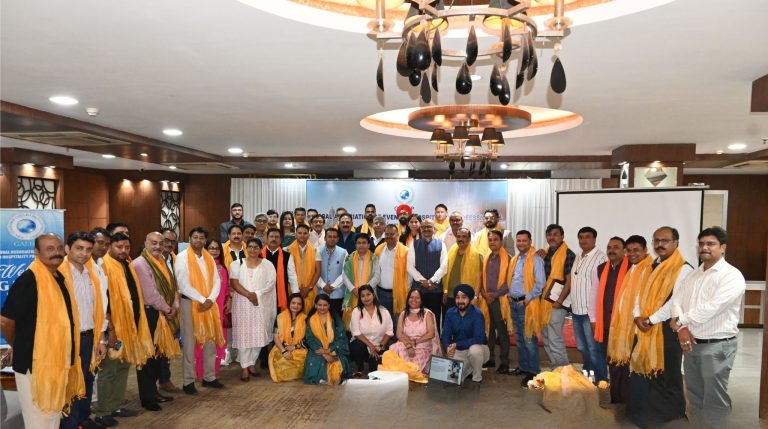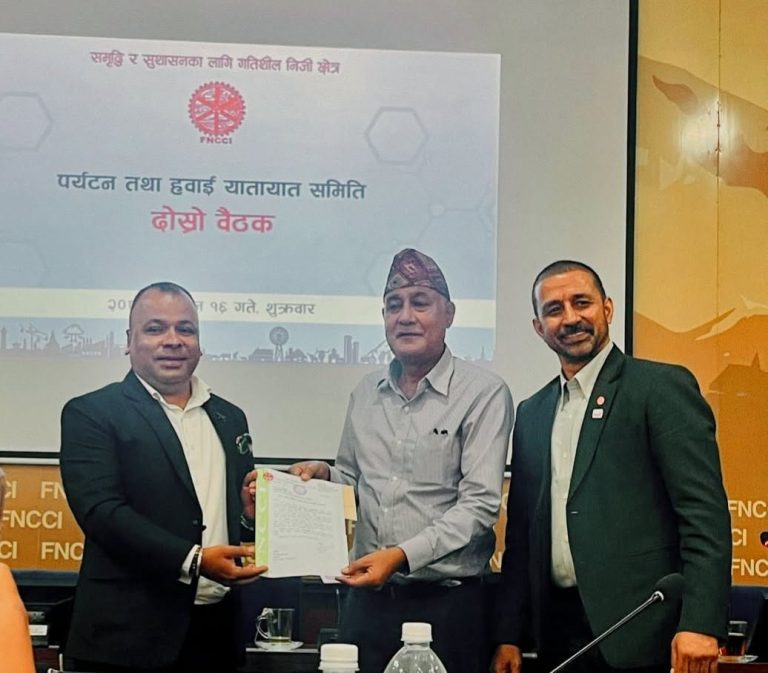
In a first for Nepal and a significant step for tourism safety, Himalayan Guardian Nepal has launched what is being hailed as the world’s most affordable travel insurance service for foreign tourists. The initiative, presented as a new chapter in tourism protection in the country, targets visitors participating in cultural tours, adventure treks, and high-altitude mountaineering. The company was established through the initiative of Dr. Dhananjay Regmi, former Chief Executive Officer of the Nepal Tourism Board, and aims to make insurance accessible, affordable, and technologically friendly for tourists in Nepal.
Previously, foreign travelers visiting Nepal were compelled to purchase expensive insurance from their home countries, often facing cumbersome processes and high premiums. Himalayan Guardian Nepal now offers policies directly in Nepal, providing a convenient, cost-effective, and technologically advanced solution for tourists. This move is expected to significantly enhance the safety and confidence of international travelers while promoting Nepal as a secure tourism destination.

Three-Tier Insurance Plan
Himalayan Guardian has introduced a three-tier insurance plan, catering to different types of travelers based on activity and altitude.
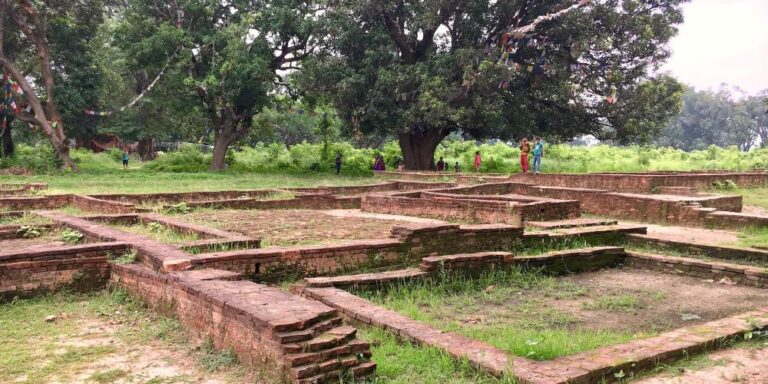
- Cultural Tours and Leisure Visits: For tourists engaging in cultural visits and leisure trips up to an altitude of 3,500 meters, the company offers 14-day coverage at a nominal cost of USD 16 per person.
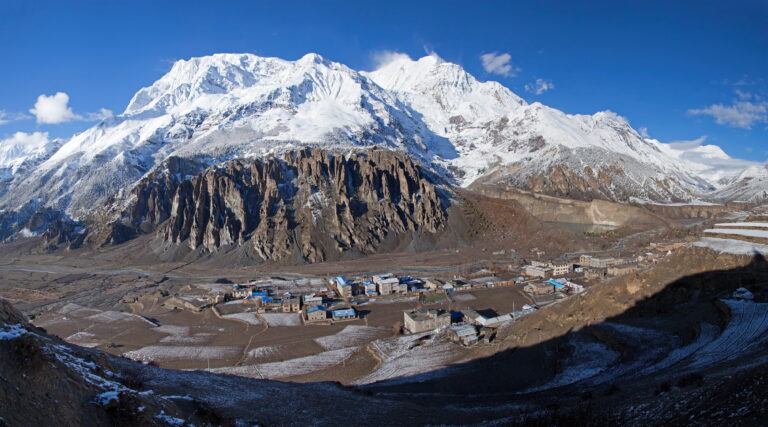
- Trekking Adventures: For trekking activities reaching altitudes of up to 5,500 meters, a 14-day insurance plan has been priced at USD 150 per person.
- High-Altitude Mountaineering: Climbers and mountaineers targeting peaks up to 6,000 meters can opt for a 60-day plan at USD 500 per person.
These policies are available exclusively through registered trekking and tourism agencies in Nepal. Since government regulations mandate registered guides and agencies for trekking and climbing activities, tourists can conveniently obtain insurance through their travel agency, ensuring compliance with legal requirements. However, the company has indicated that agencies may charge an additional 10 to 15 percent service fee on top of the insurance premium due to advance payment requirements.
Integrated Satellite Devices for Emergency Response
A standout feature of Himalayan Guardian’s insurance is the provision of satellite-enabled devices with each policy. These devices include an SOS button that tourists can use in case of an emergency. Upon activation, the system establishes direct communication with the rescue service, medical personnel, and the insurance company, triggering an immediate response. Helicopters, Sherpas, or medical teams are dispatched rapidly to the location of the incident, ensuring swift and effective assistance.
According to founder Dr. Regmi, the integration of real-time rescue services will address longstanding challenges in Nepal’s tourism sector, such as fraudulent rescue claims and excessive hospital billing for tourists in emergencies. He emphasized, “Our goal is not merely to sell insurance; it is to protect the lives of tourists during crises.” The combination of affordable premiums, transparent processes, and immediate rescue capability is expected to build international trust in Nepal as a secure and reliable destination for adventure and cultural tourism.
Enhancing International Tourist Confidence
This innovative insurance program is anticipated to bolster international confidence in Nepal’s tourism offerings. Travelers seeking adventure, trekking, or high-altitude climbing often consider safety measures a critical factor when choosing destinations. By offering accessible and affordable insurance with direct emergency support, Nepal positions itself as a proactive and responsible host country.
Dr. Regmi further explained that Himalayan Guardian’s approach goes beyond conventional insurance. The company aims to create a system that integrates prevention, protection, and immediate response, ensuring that tourists can explore Nepal’s natural and cultural landscapes without undue risk. The initiative also aligns with broader government objectives of promoting tourism growth while prioritizing visitor safety.
Positive Impact on Tourism Industry
Tourism experts believe that this development will have far-reaching benefits for Nepal’s tourism industry. Lowering the cost of insurance reduces overall travel expenses, making Nepal more competitive compared to other international destinations. The ease of access to policies through local agencies simplifies the process, encouraging more tourists to engage in adventure and trekking activities.
Additionally, the presence of satellite-based emergency devices provides assurance to both tourists and their families abroad. Real-time monitoring and rapid response capabilities enhance the perception of Nepal as a secure travel destination, potentially increasing visitor numbers during peak trekking and climbing seasons.

Himalayan Guardian’s insurance service also complements existing safety regulations, as the government has mandated the registration of guides and agencies for trekking and mountaineering. By aligning insurance provision with legal requirements, the company ensures that all tourists receive coverage that meets both national safety standards and international expectations.
Nepal’s introduction of the world’s most affordable and technologically advanced travel insurance marks a significant milestone in the country’s tourism sector. With tiered plans catering to cultural visitors, trekkers, and mountaineers, combined with satellite-based emergency response devices, Himalayan Guardian Nepal sets a new standard for tourist protection.
Founder Dr. Regmi emphasized that the program is designed not just as a commercial service, but as a life-saving initiative that fosters trust and safety for international travelers. By ensuring immediate assistance during emergencies and offering affordable, accessible insurance options, Nepal strengthens its reputation as a safe, reliable, and adventure-friendly destination, paving the way for increased tourism and sustainable growth in the sector.