The Government of Nepal is preparing for a significant transformation in the country’s aviation sector by introducing a new legal framework that will allow greater participation of the private sector in airport development, operation, and management.
The draft of the “Nepal Air Service Authority Act, 2083” has reached its final stage and is expected to be tabled in the Federal Parliament soon. The proposed legislation aims to restructure Nepal’s aviation administration by dividing the service provider functions of the Civil Aviation Authority of Nepal (CAAN) and establishing a new autonomous body responsible for airport services and air navigation operations. The Ministry of Culture, Tourism and Civil Aviation has published the draft bill on its official website and invited feedback and suggestions from concerned stakeholders before moving it forward.
New Aviation Authority Proposed to Improve Services and Safety
The proposed law seeks to establish the Nepal Air Service Authority as an independent service provider with the responsibility of managing airport operations and air navigation services. The government believes that separating regulatory and service functions will help improve aviation safety, enhance service quality, and create a more efficient institutional structure in line with international practices.
Under the draft bill, the newly established authority will have the legal authority to hand over the operation and management of airports to government bodies, non-government organizations, or private companies through contractual agreements or competitive bidding processes. Such arrangements will require prior approval from the Nepal Government.

Private Sector to Get Role in Airport Management
The proposed legislation introduces provisions allowing private companies to participate in the operation and management of Nepal’s domestic and international airports. According to the draft, the authority will be able to collaborate with domestic and foreign investors to implement aviation-related projects based on commercial plans. The government expects the new policy to encourage investment in aviation infrastructure by creating opportunities for:
- Public-private partnerships in airport development;
- Joint ventures with national and international investors;
- Modernization of existing airport facilities; and
- Private sector involvement in airport operations and management.
Officials believe the move could bring improvements in airport efficiency, service standards, and financial sustainability.
Nepal’s Airport Network Faces Utilization Challenges
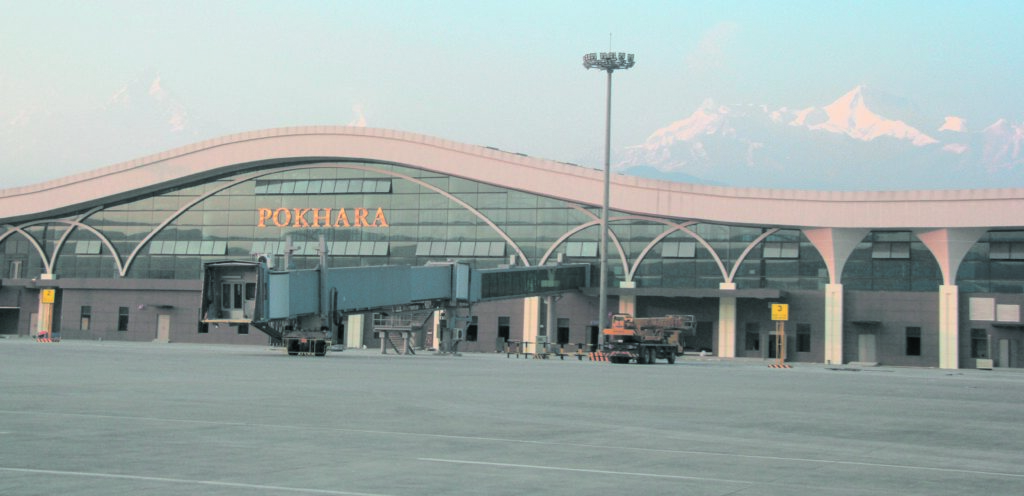
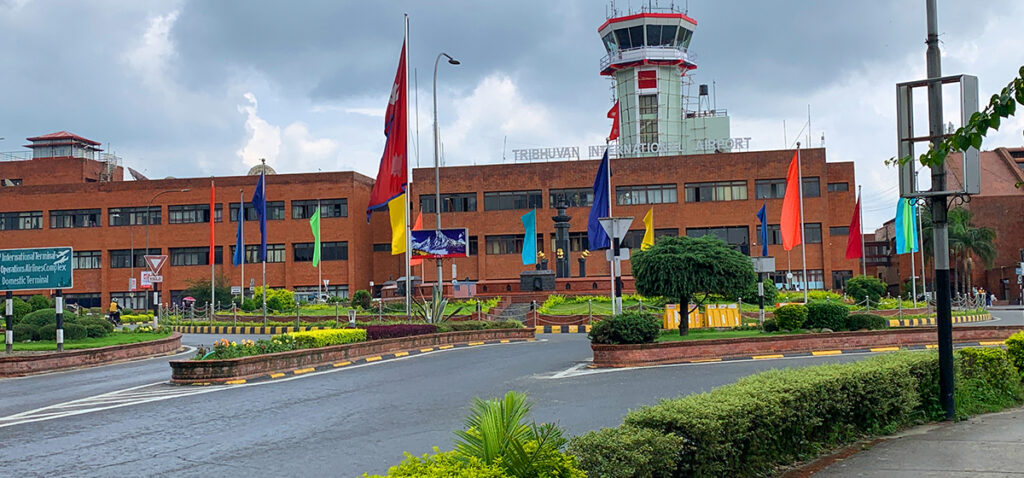
Nepal currently operates three international airports, Tribhuvan International Airport in Kathmandu, Gautam Buddha International Airport in Bhairahawa, and Pokhara International Airport in Pokhara. Besides these, the country has 52 domestic airports. However, only 31 airports currently handle regular or charter flights, while 21 airports remain inactive due to limited passenger demand and improved road connectivity.
Tribhuvan International Airport continues to operate at full capacity, but the recently completed Gautam Buddha and Pokhara international airports have not yet been able to attract a sufficient number of international airlines. To encourage airlines to operate from these two international airports, the government has introduced incentives, including significant reductions in landing and takeoff charges, discounts on ground handling services, and waivers on passenger service and tourism fees.
Integrated Passenger Services Planned at Airports
The government is also working to establish essential public services within airport premises to improve passenger convenience and strengthen airport facilities. Plans are underway to introduce services related to:
- Passport processing;
- Immigration and customs;
- Labour approval services for foreign employment workers;
- Health examination facilities;
- Insurance services; and
- Social Security Fund support.
These facilities are expected to make airports more efficient service hubs, particularly for international passengers and Nepali migrant workers.

New Authority to Handle Aviation Development and Operations
The proposed Nepal Air Service Authority will operate as a self-governing and organized institution with perpetual succession. The authority will not only oversee airport construction and operations but will also manage several critical aviation responsibilities, including:
- Flight safety management;
- Preparation of aviation maps;
- Air route planning;
- Coordination of search and rescue operations;
- Ground handling services;
- Aviation fuel management;
- In-flight catering services; and
- Cargo management services.
The government expects the new structure to strengthen Nepal’s aviation governance and improve coordination across the sector.

Strict Safety Measures Proposed Under New Law
The draft bill has introduced strict legal provisions to protect airport security and flight safety. Unauthorized entry into restricted airport areas, operating flights or allowing takeoffs and landings without permission, and establishing uncontrolled slaughterhouses or waste disposal sites within three kilometres of airports will be considered punishable offences.
Individuals or organizations involved in activities that seriously affect aviation safety may face fines ranging from Rs. 10,000 to Rs. 500,000, depending on the severity of the offence. The draft also requires unauthorized structures affecting aviation safety standards to be removed at the owner’s own expense.
Transition Plan After Implementation of New Act
The proposed law will come into effect on the 91st day after its certification. After implementation, permanent employees currently working under the existing Civil Aviation Authority Act, 2053 will be transferred and adjusted into the new aviation authority or regulatory body based on their qualifications, skills, and seniority.
The draft further states that all movable and immovable assets, liabilities, and responsibilities of the existing authority will automatically transfer to the newly established Nepal Air Service Authority. The government expects the reform to modernize Nepal’s aviation sector, attract investment, improve airport management, and create a safer and more competitive aviation environment.