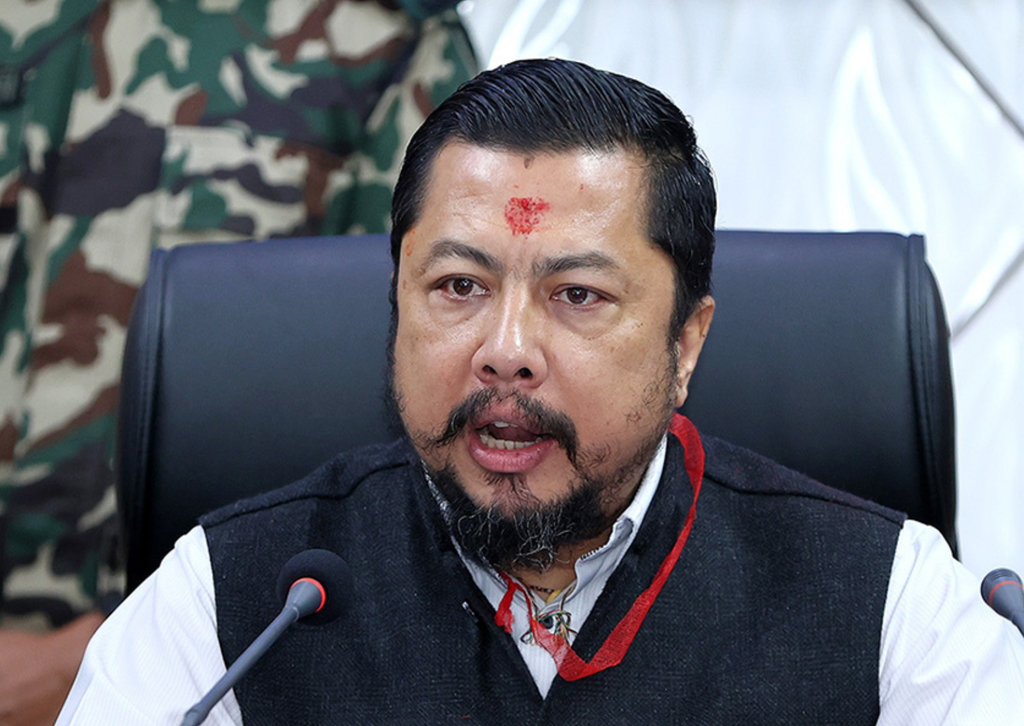
Nepal has secured support from representatives of 53 countries for four proposals aimed at addressing the growing climate crisis in the Himalayan region, strengthening disaster preparedness and improving cross-border cooperation. The proposals were presented by Minister for Energy, Water Resources and Irrigation Biraj Bhakta Shrestha at a high-level regional dialogue in Bangkok, Thailand, under the theme “From the Himalayas to the Sea.”
The meeting was jointly organised by the United Nations Economic and Social Commission for Asia and the Pacific (UNESCAP) and the Government of Nepal on Thursday. Addressing the gathering, Minister Shrestha said that the climate crisis in the Himalayan region cannot be addressed by individual countries alone, as its impacts extend beyond national borders. He emphasised that Himalayan protection is a shared global responsibility, given the region’s importance to water resources, ecosystems and millions of people across Asia.
Nepal Secures Support for Four Climate Proposals
Nepal presented four key proposals to strengthen regional cooperation on climate change, disaster risk reduction and preparedness. According to the Minister’s Secretariat, representatives from 53 countries expressed support for the initiatives. One of the major proposals focuses on improving the monitoring of high-risk areas in the Himalayas, particularly vulnerable mountain slopes and glaciers.
Nepal has called for collaboration among international space agencies, scientific institutions, and governments to develop advanced multi-hazard early warning systems using satellite technology, artificial intelligence (AI), and other modern technological tools. The proposed system aims to improve the monitoring of climate-related threats, strengthen risk assessment, and provide timely warnings to communities and authorities in vulnerable mountain regions.
Himalayan Climate Resilience Mechanism Proposed
Nepal has also proposed establishing a Himalayan Climate Resilience Mechanism to strengthen regional information sharing, glacier lake monitoring and coordination among early warning systems. Minister Shrestha informed the meeting that Prime Minister Balendra Shah had proposed the mechanism to enhance cooperation among countries facing similar climate-related challenges.
The initiative is expected to facilitate the exchange of information, improve monitoring of changing Himalayan conditions and strengthen coordination in responding to potential disasters. Highlighting the interconnected nature of glaciers, rivers and mountain ecosystems, Nepal stressed that climate-related risks in the Himalayas require a coordinated regional approach rather than isolated efforts by individual countries.
Nepal Calls for Accessible, Grant-Based Climate Finance
Nepal also highlighted the need for immediate and accessible financial assistance to support disaster risk reduction, preparedness and recovery. Minister Shrestha stressed that climate finance should be timely, easily accessible and primarily provided through grants to help vulnerable countries strengthen their resilience.
He particularly emphasised that monitoring and early warning systems in high-altitude Himalayan areas should receive grant-based financial support rather than loans. Such assistance would enable countries to invest in modern monitoring technologies, improve disaster preparedness and strengthen their capacity to respond to climate-related threats.
Climate Risk Assessment from Source to Sea
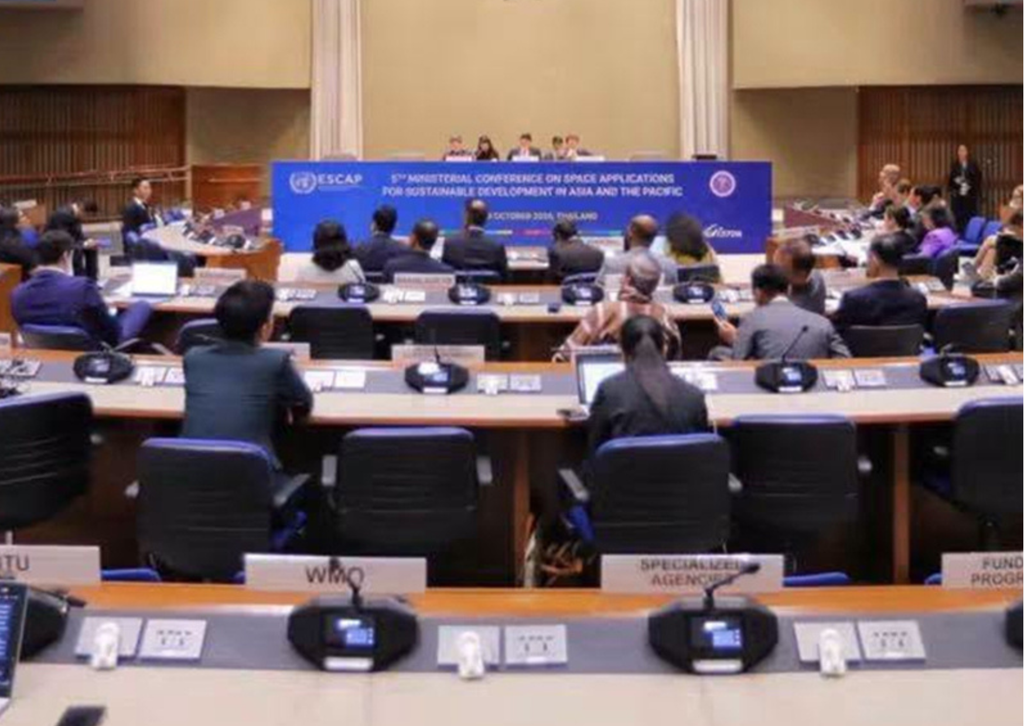
Another key proposal of United Nations Economic and Social Commission for Asia and the Pacific (UNESCAP) focuses on incorporating climate and disaster risks into infrastructure development and investment planning across river systems. Nepal called for a comprehensive approach that considers potential risks from the high Himalayan river sources to downstream settlements and coastal areas. Minister Shrestha stressed that investments in infrastructure, including hydropower projects along rivers and development projects in border cities, should account for risks throughout the entire river system, following a source-to-sea approach.
The proposals reflect Nepal’s call for stronger international partnerships, improved climate monitoring, accessible financial resources and coordinated disaster preparedness to address the growing threats facing the Himalayan region. Nepal has emphasised that protecting the Himalayan ecosystem is a shared responsibility, as climate-related impacts originating in the mountains can affect millions of people across countries and regions.