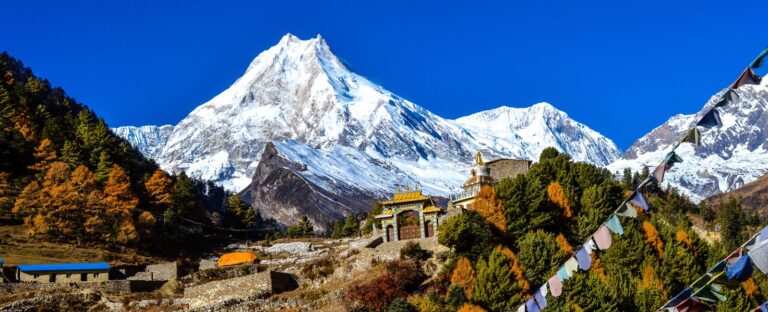
The Ministry of Culture, Tourism and Civil Aviation, through the Department of Tourism, has reported a remarkable level of mountaineering activity during Nepal’s autumn climbing season in 2025, up to October 15. According to official data, a total of 923 climbers, including 284 women and 639 men, have secured permits to scale 52 Himalayan peaks across the country, organized into 147 separate expedition teams.
This surge in mountaineering activity reflects Nepal’s enduring appeal as a premier destination for adventure tourism. The autumn season, considered ideal for high-altitude climbing due to stable weather and clear skies, has attracted climbers from around the world, contributing significantly to the country’s tourism revenues.

Revenue from Climbing Permits
The autumn season has generated over USD 1,097,885 in royalty fees, equivalent to more than NPR 148.8 million. These funds are critical for supporting the conservation of Nepal’s fragile mountain ecosystems and for the further development of the country’s tourism infrastructure. The revenue underscores the economic significance of mountaineering in the country, providing both direct and indirect benefits to local communities and service providers across the trekking and climbing sector.
Popular Peaks Draw Largest Crowds
Ama Dablam (6,814 meters) emerged as one of the most popular peaks of the season, with 275 climbers securing permits, including 75 women. Manaslu (8,163 meters) saw 176 climbers, while Himlung Himal (7,126 meters) also recorded 176 participants. Other notable peaks attracting significant attention included Dhaulagiri I (8,167 meters) with 36 climbers, Annapurna IV (7,525 meters) with 16 climbers, and Putha Hiunchuli (7,246 meters) with 23 climbers.
Smaller peaks such as Thorong Peak (6,144 meters), Langtang Lirung (7,234 meters), and Saribung (6,346 meters) also saw a healthy number of climbers, reflecting a diversification in mountaineering interest beyond the country’s iconic eight-thousanders.
Gender Representation and Participation Trends
This season’s data indicates a positive trend in female participation in high-altitude mountaineering, with women comprising approximately 31% of total climbers. This reflects growing inclusivity and broader global interest in adventure tourism among women, alongside improved support and safety measures for female mountaineers.
Economic and Tourism Impact
The royalties collected during the autumn climbing season are directly reinvested into Nepal’s tourism development, including infrastructure improvements in base camp areas, mountain conservation initiatives, and promotion of adventure tourism. These funds also support local economies, particularly in remote mountain regions where climbers contribute to employment opportunities in guiding, portering, lodging, and catering services.
Section Officer at the Department of Tourism noted, “The autumn season demonstrates the enduring global appeal of Nepal’s mountains. The revenue and participation figures are a testament to the country’s effective management of high-altitude tourism and the growing interest of international climbers.”
Safety, Regulations, and Conservation Efforts
The Department of Tourism continues to enforce strict guidelines to ensure climbers’ safety and the sustainability of the mountain environment. Permits are issued with rigorous adherence to safety protocols, and climbers are encouraged to use certified guides and maintain environmentally responsible practices. The royalties collected are also used to fund rescue operations, waste management initiatives, and infrastructure at base camps, ensuring that mountaineering activity remains sustainable and safe.

Looking Ahead
With the autumn season accounting for a substantial portion of Nepal’s annual climbing activity, authorities are now focusing on strategies to enhance climbers’ experiences while preserving the Himalayan ecosystem. Expansion of mountain tourism to less-explored peaks, promotion of eco-friendly practices, and encouragement of female participation are key priorities for future seasons.
The Department of Tourism also emphasized the importance of ongoing coordination with local communities, trekking agencies, and international climbers to maintain Nepal’s status as a premier global destination for adventure tourism.
Nepal’s 2025 autumn mountaineering season has set a new benchmark in terms of climber participation, gender representation, and economic contribution. With over 900 climbers across 52 peaks and significant royalty revenue, the season highlights the country’s strong position in global adventure tourism. Continued focus on safety, conservation, and sustainable tourism practices will ensure that Nepal’s mountains remain a world-class destination for climbers for years to come.