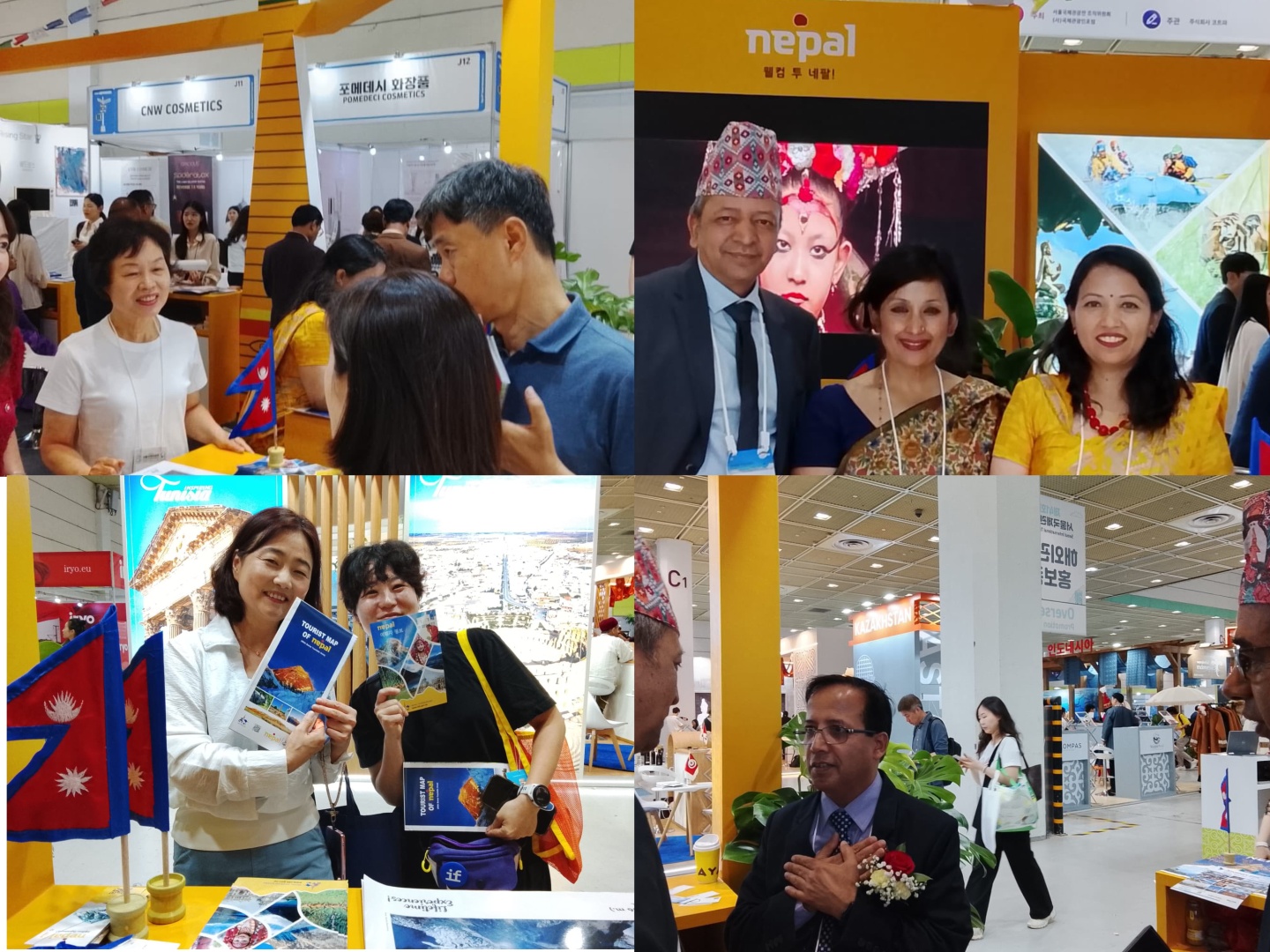
As SITF 2026 continues in Seoul, Nepal’s strong presence reflects its commitment to expanding international tourism outreach. With its iconic Everest experiences, Buddhist heritage, and diverse landscapes, Nepal continues to strengthen its identity as a world-class travel destination, especially for the growing Korean market.
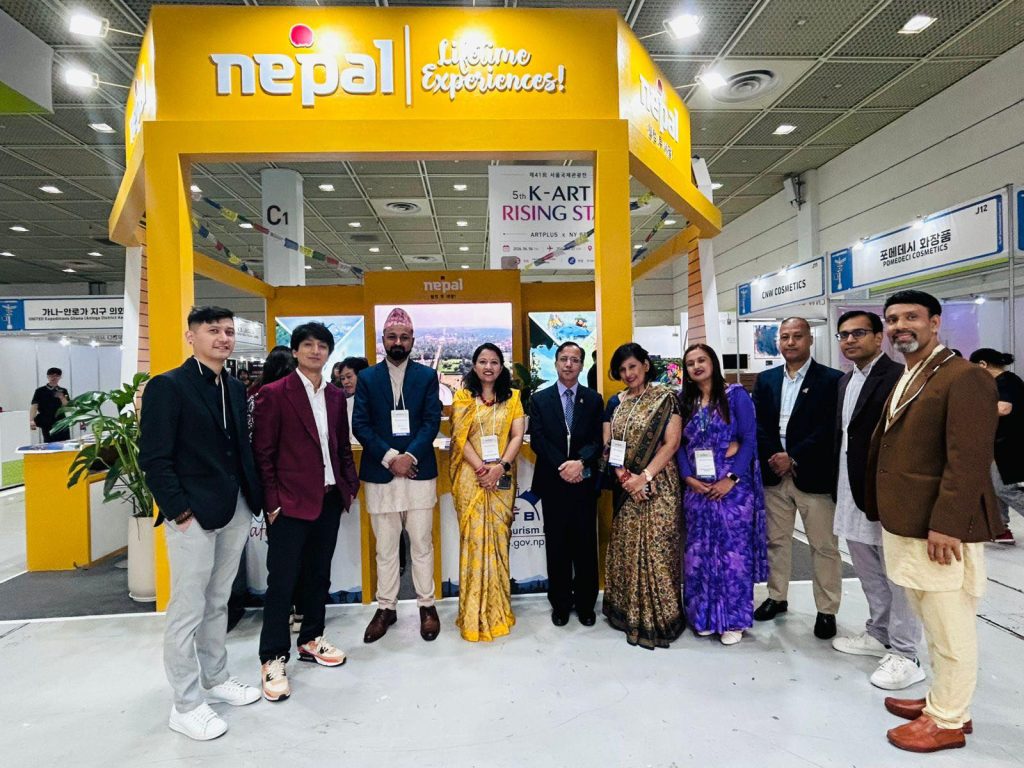
The Seoul International Travel Fair (SITF) 2026 has officially opened at COEX Hall C in Seoul, running from June 4 to June 7, bringing together global tourism stakeholders under one platform. The event is recognized as one of Asia’s leading travel exhibitions, featuring hundreds of exhibitors from across the world. The fair was inaugurated with participation from international tourism leaders, and the country is being represented by the Nepal Tourism Board (NTB) along with seven private-sector tourism companies showcasing the country’s diverse travel and adventure experiences.

Nepal Pavilion Highlights Everest, Culture, and Spiritual Heritage
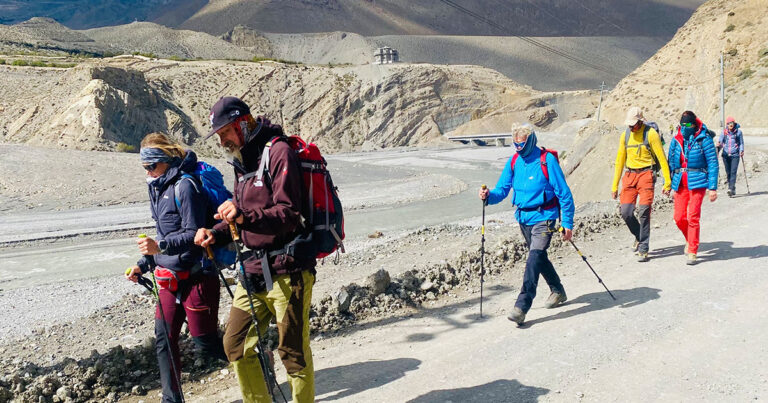
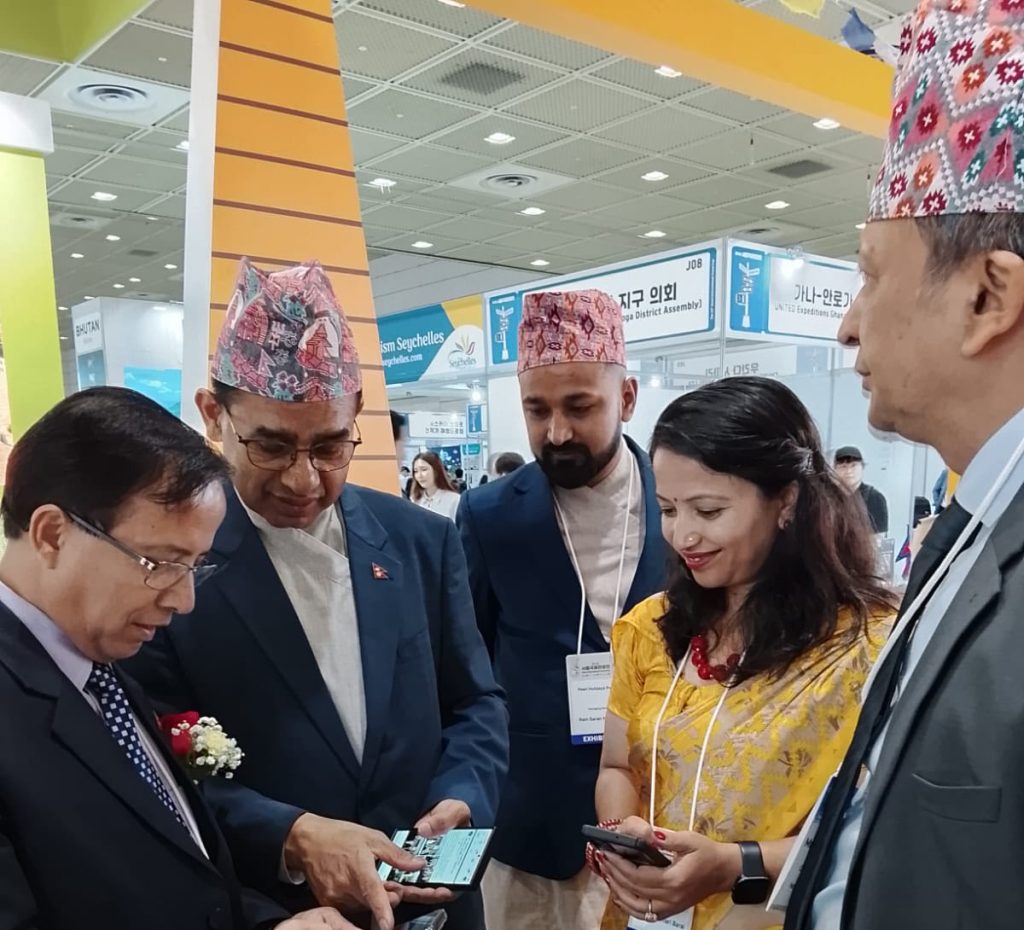
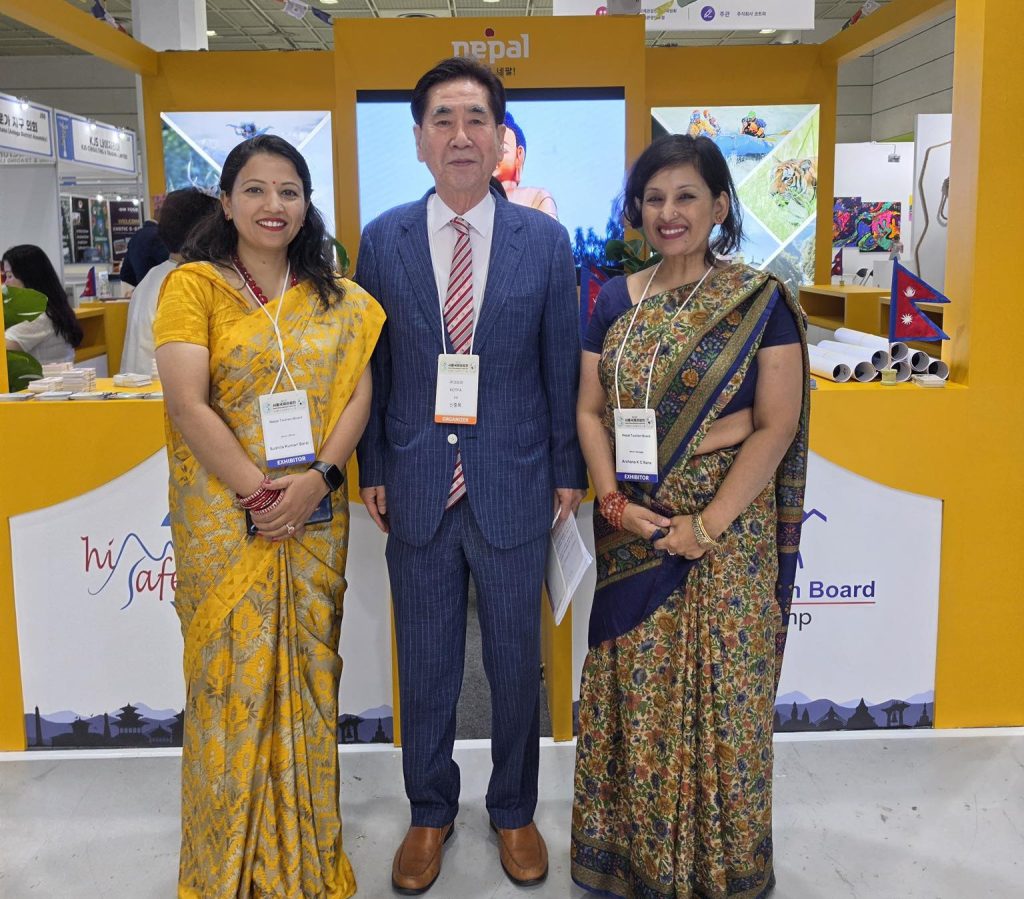
Following the inauguration, a VIP delegation including the Chairman of the Korea World Travel Fair (KOTFA) and other distinguished guests visited the Nepal Pavilion. The stall attracted strong attention for its presentation of its iconic Everest experience, rich Buddhist heritage, cultural diversity, and adventure tourism offerings. Officials noted that the Nepal booth aims to promote the country as a year-round destination, highlighting trekking routes, mountaineering opportunities, spiritual tourism, and cultural exploration.

Strong Global Participation at SITF 2026
SITF 2026 has brought together 423 organizations from 40 countries, featuring 518 exhibition booths. The event serves as a major networking platform for tourism boards, travel companies, airlines, and hospitality stakeholders to promote destinations and establish international partnerships. Nepal’s participation is expected to strengthen its visibility in the competitive Asian tourism market and attract more international visitors in the coming years.
South Korea: A Key Source Market for Nepal
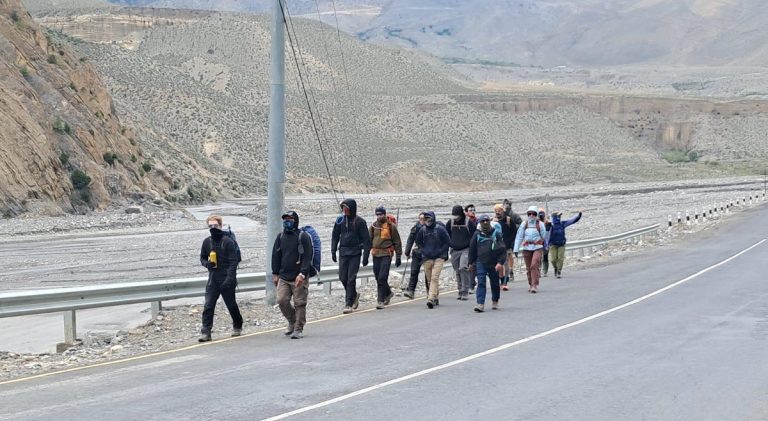
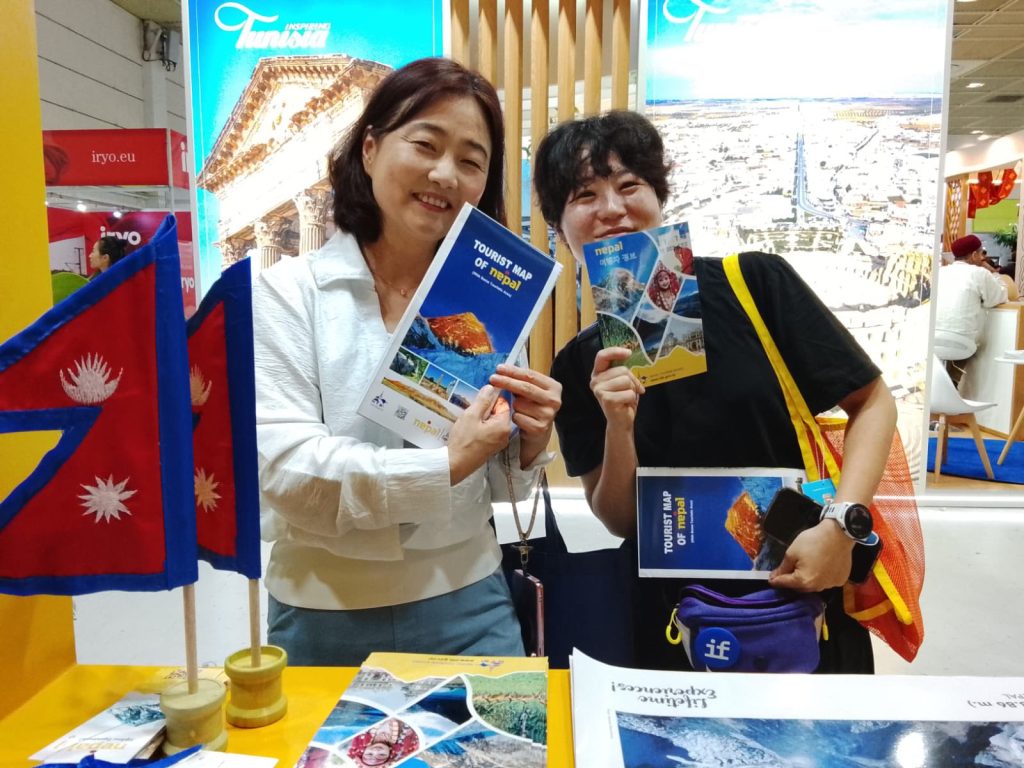
South Korea continues to remain one of its most important high-value tourism source markets. In 2025 alone, more than 23,500 South Korean tourists visited Nepal, reflecting steady growth in arrivals from the East Asian market. Korean travelers are widely recognized for their strong interest in trekking, mountaineering, cultural experiences, and Buddhist pilgrimage tourism, segments that align closely with Nepal’s tourism strengths. Tourism officials emphasized that its Himalayan landscapes, spiritual heritage sites, and adventure tourism offerings continue to attract growing interest from Korean visitors.
Improved Air Connectivity Boosts Tourism Prospects
Enhanced air connectivity between Nepal and South Korea has further strengthened tourism prospects. Korean Air currently operates twice-weekly direct flights between Seoul (Incheon) and Kathmandu, providing convenient access for travelers and supporting increased tourist flows. Officials believe that improved flight connectivity will play a crucial role in expanding tourism partnerships, increasing arrivals, and strengthening people-to-people ties between the two countries.

Nepal’s Strategic Push in the Korean Market
The country’s participation at SITF 2026 is part of a broader strategy to expand its presence in the Korean tourism market and promote diversified travel experiences beyond traditional trekking routes. By engaging with tour operators, travel agencies, and media representatives in Seoul, Nepal aims to position itself as a competitive destination for adventure, culture, wellness, and spiritual tourism.
Tourism stakeholders expressed confidence that sustained promotional efforts, combined with improved connectivity and targeted marketing, will further boost its visibility and strengthen its position in the Korean outbound travel market. With strong participation at SITF 2026, Nepal has reaffirmed its commitment to expanding its global tourism footprint. The event provides a valuable opportunity to promote the country’s Himalayan experiences, cultural richness, and adventure tourism potential, while deepening its growing tourism relationship with South Korea.