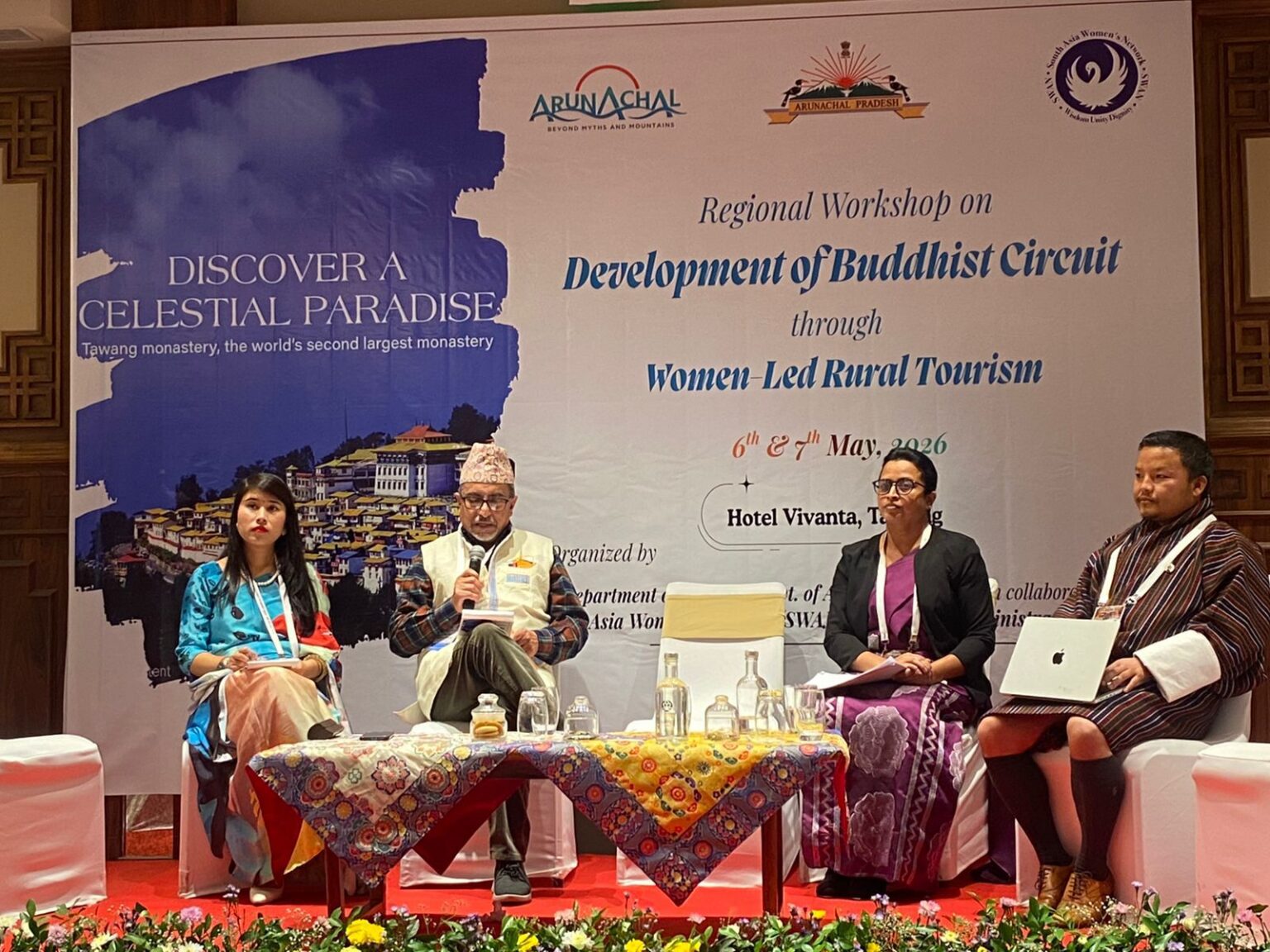
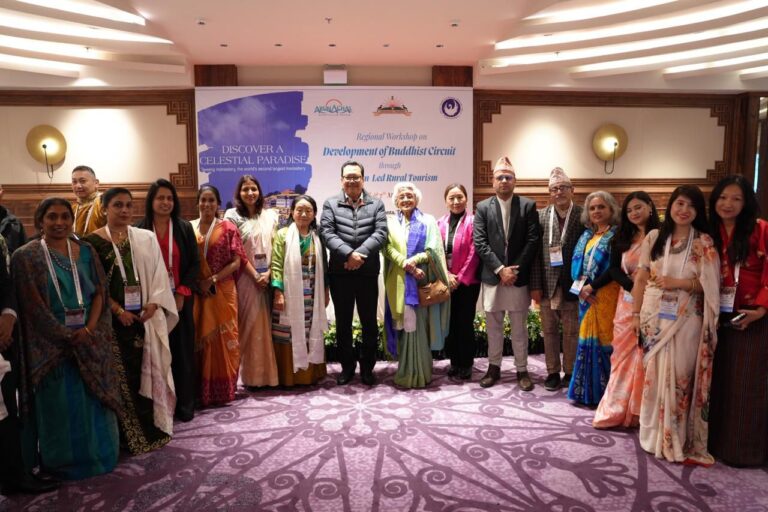
A landmark regional workshop focused on developing an integrated Buddhist Circuit across South Asia concluded in Tawang, Arunachal Pradesh, with participating countries emphasizing stronger regional cooperation, women-led rural tourism, and sustainable tourism development.
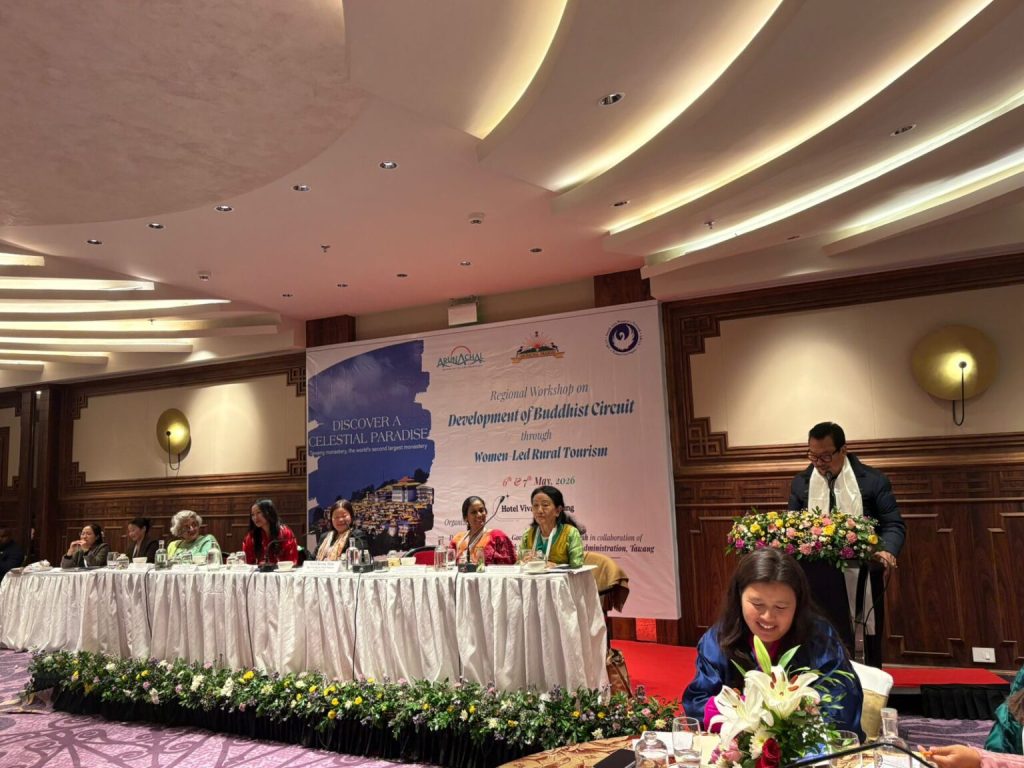
The two-day workshop, held from May 6–7, brought together delegates from Nepal, Bhutan, Sri Lanka, and India to discuss strategies for promoting Buddhist heritage tourism through inclusive and community-based models. The event was organized by the Department of Tourism of the Government of Arunachal Pradesh in collaboration with the South Asian Women’s Network (SWAN) and the Tawang District Administration.

The workshop was inaugurated in the presence of Arunachal Pradesh Deputy Chief Minister Shri Chowna Mein and Minister for Women & Child Development, Science & Technology, and Cultural Affairs Smt. Dasanglu Pul. Policymakers, tourism experts, women leaders, and tourism stakeholders from across South Asia participated in the discussions aimed at strengthening tourism connectivity and developing a unified Buddhist tourism framework for the region.
Focus on Regional Cooperation
One of the major outcomes of the workshop was the collective commitment to strengthen linkages among key Buddhist pilgrimage destinations across South Asia. Delegates stressed the importance of positioning the region as a unified spiritual and cultural tourism destination by enhancing collaboration among participating countries.
Participants highlighted that Buddhist heritage sites in Nepal, India, Bhutan, and Sri Lanka share deep historical and spiritual significance and have immense potential to attract international pilgrims and cultural travelers. They noted that integrated tourism packages and coordinated policy frameworks could significantly boost tourist movement across borders.
Women-Led Rural Tourism Model Highlighted
A central theme of the workshop was the promotion of women-led rural tourism as a sustainable and inclusive development model. Discussions focused on the role of women as tourism entrepreneurs, eco-guides, cultural interpreters, hospitality operators, and conservation advocates in rural communities.
Delegates underlined that empowering women through tourism can create sustainable livelihood opportunities while also helping preserve local traditions, indigenous cultures, and fragile ecosystems. Speakers shared successful examples of community-based tourism initiatives where women have taken leadership roles in managing homestays, promoting handicrafts, and organizing cultural experiences for visitors.
The workshop emphasized that women-led tourism initiatives can contribute significantly to economic inclusion, especially in remote Himalayan and rural regions where tourism is emerging as an important source of income.
Connectivity and Infrastructure Challenges
Participants also discussed key challenges affecting the development of an integrated Buddhist Circuit, particularly cross-border connectivity and infrastructure limitations. Delegates pointed out the need for simplified travel procedures, better transportation links, improved road connectivity, and coordinated visa facilitation mechanisms among South Asian countries.
Improving tourism infrastructure and ensuring seamless travel experiences were identified as crucial factors for the long-term success of the Buddhist Circuit initiative. Participants said stronger institutional coordination among governments and tourism agencies would be necessary to address logistical and regulatory barriers.
Call for Sustainable Tourism Standards
The workshop also stressed the importance of developing sustainable tourism standards specifically tailored to rural and ecotourism destinations. Delegates recommended adopting internationally recognized frameworks, including the Global Sustainable Tourism Criteria, to ensure responsible tourism practices across Buddhist destinations. Participants emphasized that maintaining environmental sustainability and cultural authenticity would be essential for preserving the spiritual value and attractiveness of Buddhist heritage sites.
Need for Unified Branding and Marketing
Delegates called for coordinated branding and marketing strategies to promote the Buddhist Circuit internationally. They suggested launching joint promotional campaigns, collaborative destination marketing initiatives, and regional tourism partnerships to increase the global visibility of South Asia’s Buddhist heritage. Festivals such as Buddha Jayanti and regional monastic celebrations were also identified as key attractions capable of offering immersive cultural experiences and strengthening the appeal of the Buddhist Circuit.
Nepal Showcases Buddhist Tourism Initiatives
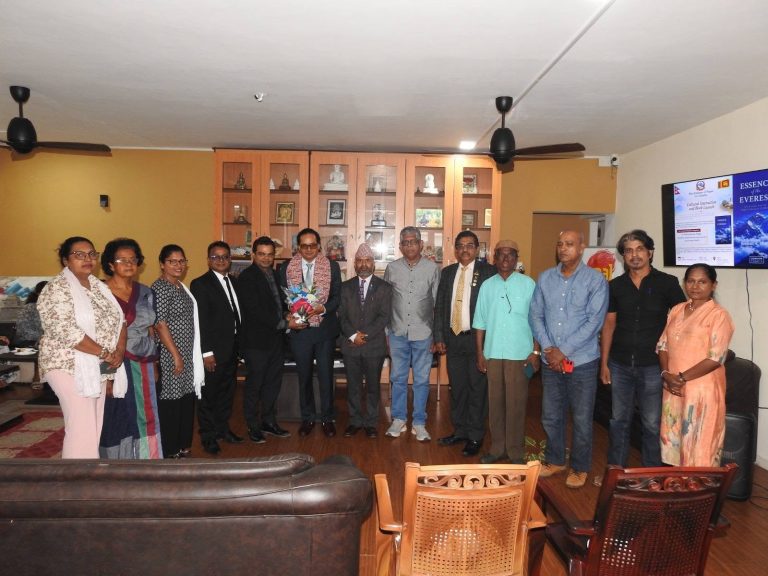
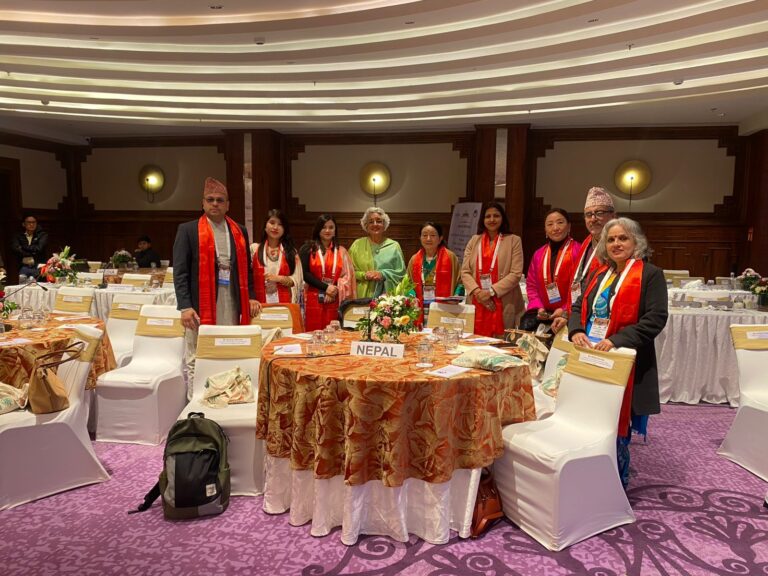
The Nepal delegation was led by Yankila Sherpa, Member of Parliament of Bagmati Province and former Minister of Tourism. The delegation also included representatives from the Nepal Tourism Board (NTB), International Development Institute (IDI), T-Help, Bar Pipal Bisauni Homestay, and Impact Adventure.
During the workshop, the Nepal delegation highlighted Nepal’s identified Buddhist destinations and ongoing efforts to strengthen connectivity among Buddhist heritage sites. The delegation particularly emphasized Nepal’s women-led rural tourism initiatives and community-based tourism models.

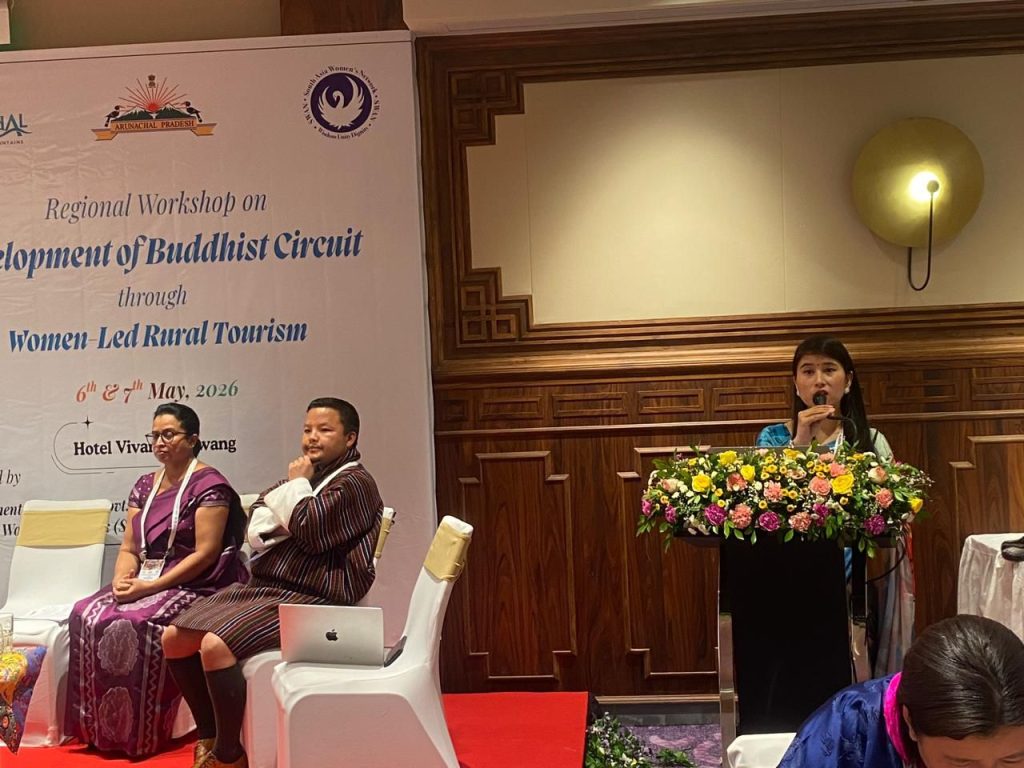
A special presentation on branding and marketing of the Buddhist Circuit was delivered by Srijana Nepali, Senior Officer at the Nepal Tourism Board. She highlighted Nepal’s continued efforts to promote the Buddhist Circuit through strategic branding initiatives and integrated promotional campaigns aimed at enhancing international visibility.
Nepali also elaborated on Nepal’s approach to strengthening destination identity through coordinated marketing interventions, stakeholder collaboration, and sustainable tourism development strategies. Delegates appreciated Nepal’s active role in promoting Buddhist tourism and fostering regional tourism cooperation across South Asia.