The Department of Archaeology has initiated preparations to declare the Janakpurdham area a “Protected Monument Area” in a move aimed at preserving the city’s rich cultural, religious, and historical heritage. According to the department, formal procedures have already begun to bring the Ram Janaki Temple area under protected status. Discussions with concerned stakeholders, field inspections, boundary demarcation, and documentation of heritage sites are currently underway as part of the process.
Officials said the initiative is focused on conserving the unique architectural, religious, and historical significance of Janakpurdham, one of Nepal’s most important spiritual and cultural destinations. The Department of Archaeology has intensified efforts to identify, document, and preserve dozens of heritage structures in the area, including monasteries, temples, ponds, mosques, and other historically significant sites.

Heritage Conservation Process Intensified
The department stated that several cultural and religious monuments within the Janakpurdham area have remained vulnerable due to rapid urbanization, unmanaged construction, and a lack of systematic conservation measures. The proposed protected monument designation is expected to ensure better preservation, monitoring, and management of heritage properties.
Authorities are currently conducting site surveys and preparing detailed records of ancient structures and cultural assets. Experts involved in the process said the initiative would also help maintain the traditional identity and historical authenticity of the city.
The Department of Archaeology noted that cooperation among local authorities, cultural experts, religious institutions, and community stakeholders would play a key role in successfully implementing the conservation plan.
Janakpurdham’s Religious and Tourism Significance
Janakpurdham is regarded as one of Nepal’s most important religious tourism destinations and holds immense significance in Hindu mythology and South Asian spiritual heritage. The city is widely believed to be the birthplace of Goddess Sita and the site where the marriage of Lord Ram and Sita took place, making it a major pilgrimage center for devotees from Nepal and India.
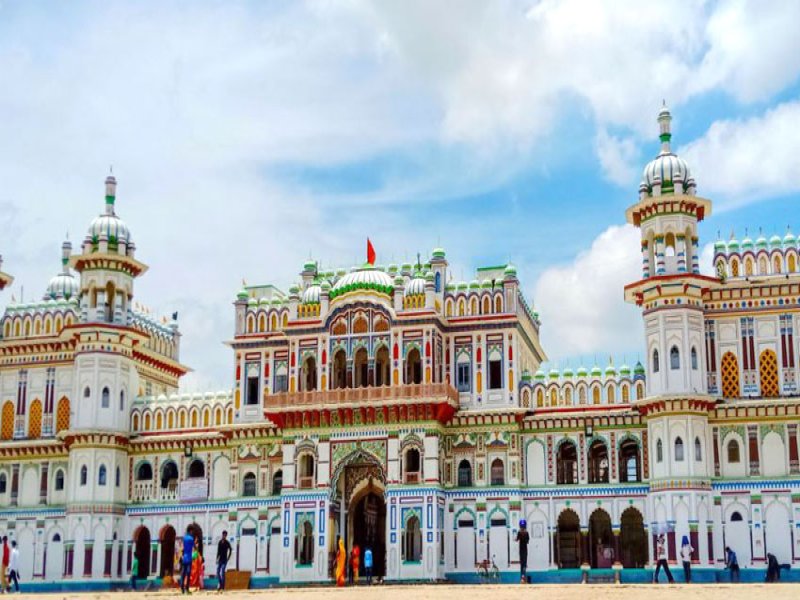
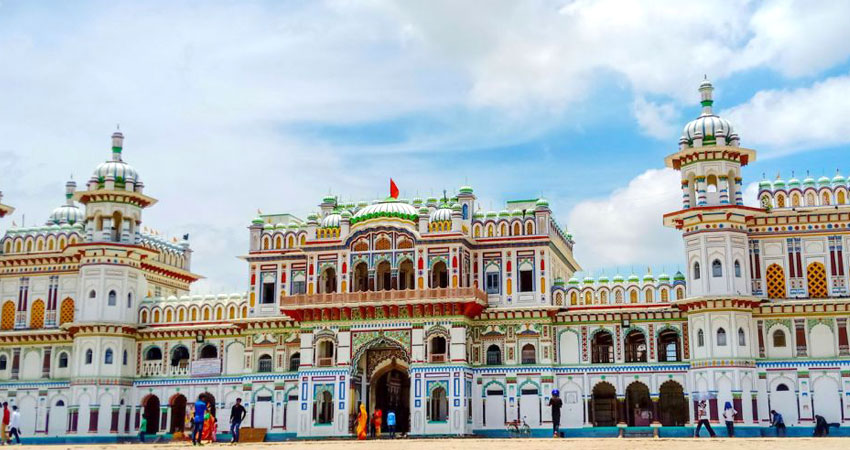
At the heart of the city stands the iconic Janaki Mandir, one of Nepal’s largest and most renowned temples dedicated to Goddess Sita. Built in a distinctive Mughal and Koiri architectural style, the temple attracts thousands of pilgrims and tourists every year.
Janakpurdham is also a central destination in the broader Ramayana Circuit, a regional religious tourism initiative connecting significant sites associated with the Ramayana across Nepal and India. Religious festivals such as Vivah Panchami and Ram Navami draw large numbers of domestic and international visitors, contributing significantly to the local tourism economy.

Apart from its religious value, the city is known for its traditional Maithili culture, art, music, and cuisine, which further enhance its appeal as a cultural tourism hub. Heritage ponds, ancient monasteries, sacred sites, and traditional settlements around Janakpurdham continue to serve as important attractions for visitors seeking spiritual and cultural experiences.
Preservation Expected to Boost Tourism
Tourism and heritage experts believe that declaring the Janakpurdham area a protected monument zone could significantly strengthen heritage conservation while also enhancing the city’s tourism potential. Improved preservation and management of cultural assets are expected to help attract more domestic and international tourists interested in religious, historical, and cultural tourism. Officials said the initiative aligns with broader national efforts to promote heritage-based tourism and preserve historically important sites across Nepal for future generations.