Culture, Tourism and Civil Aviation Minister Khadak Raj Paudel ‘Ganes’ has announced that Nepal is preparing to designate the next ten years as a “Wellness Decade”, with the goal of establishing the country as an international hub for wellness tourism, spiritual healing, and holistic lifestyle experiences.
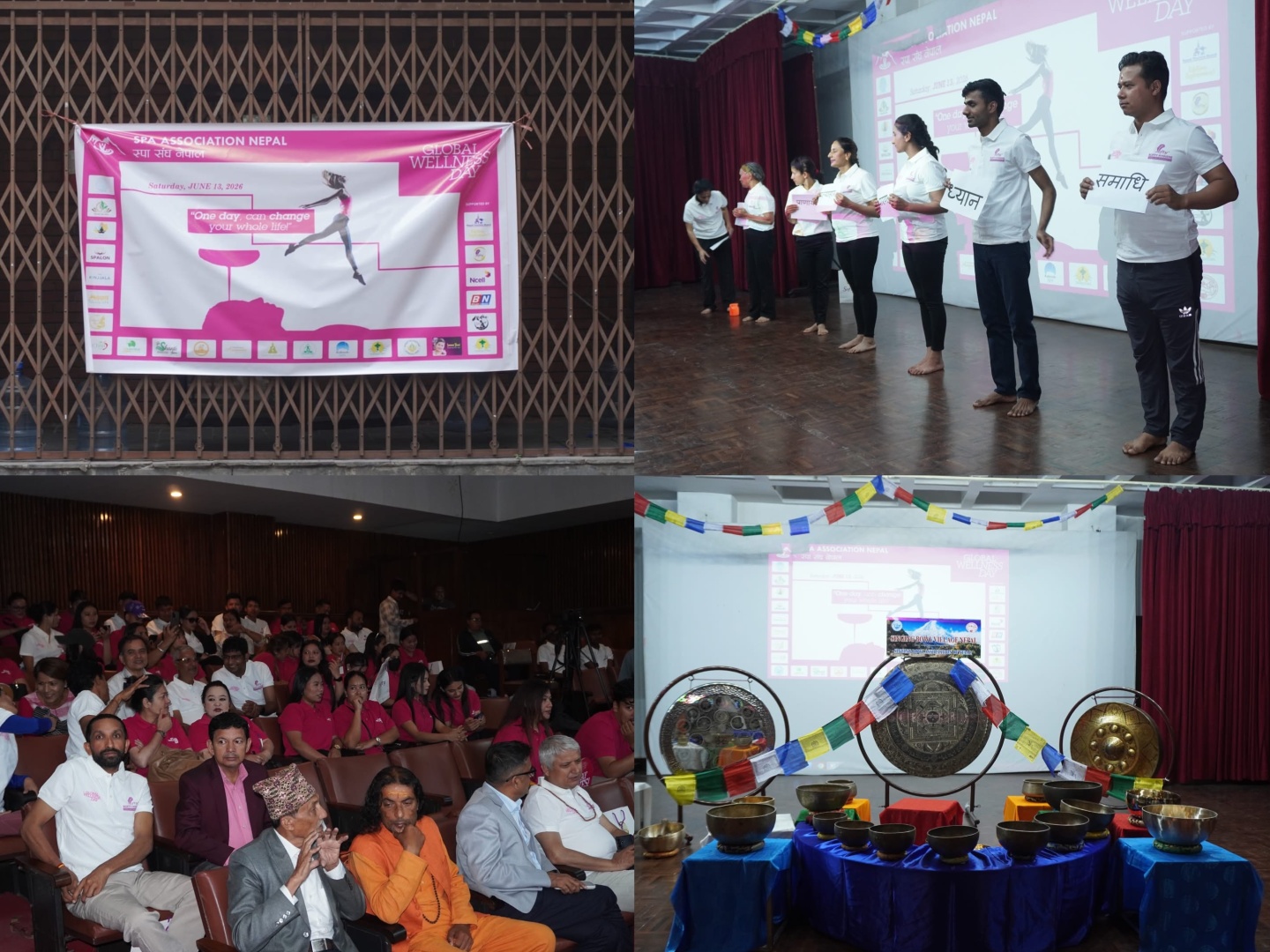
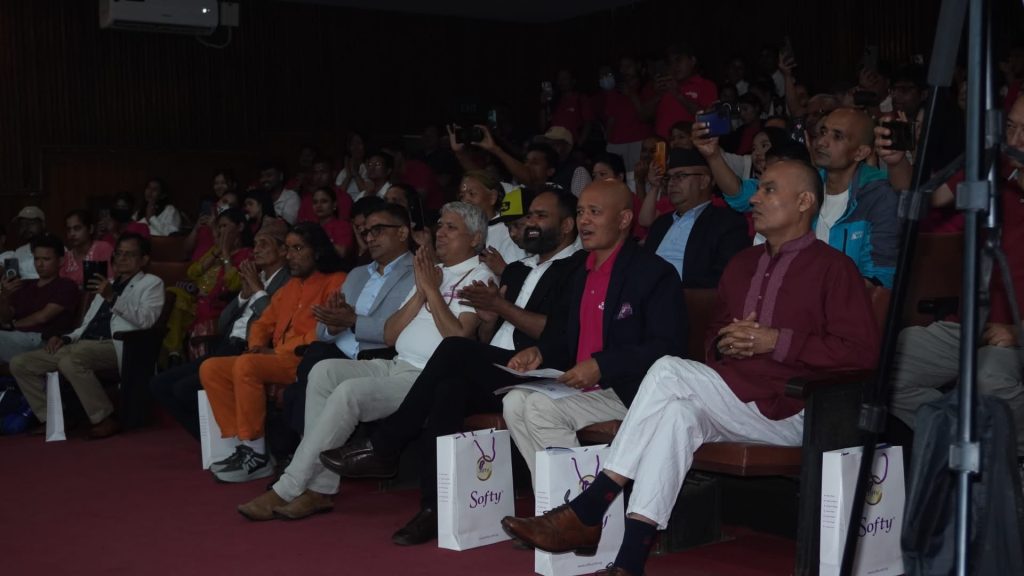
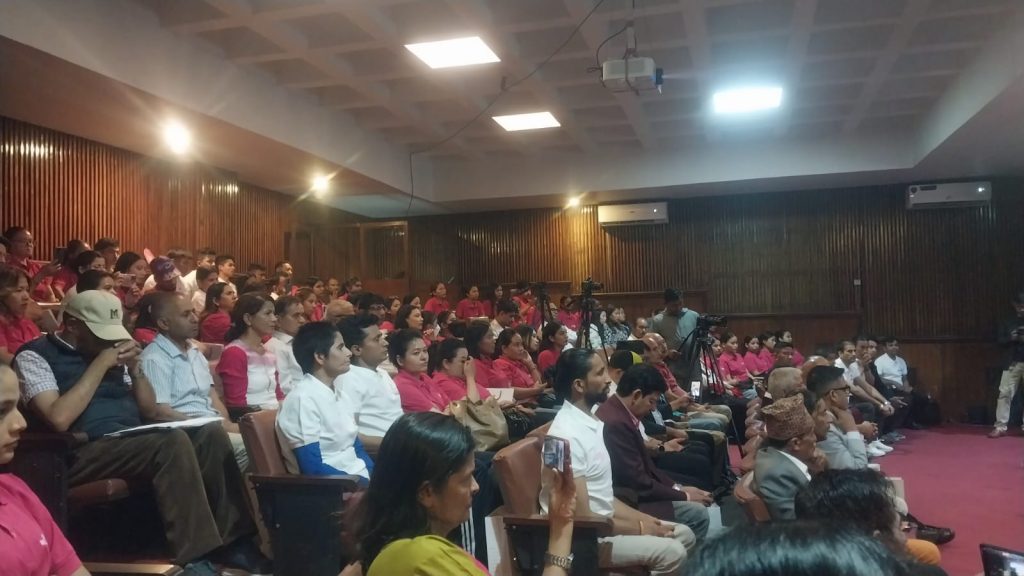
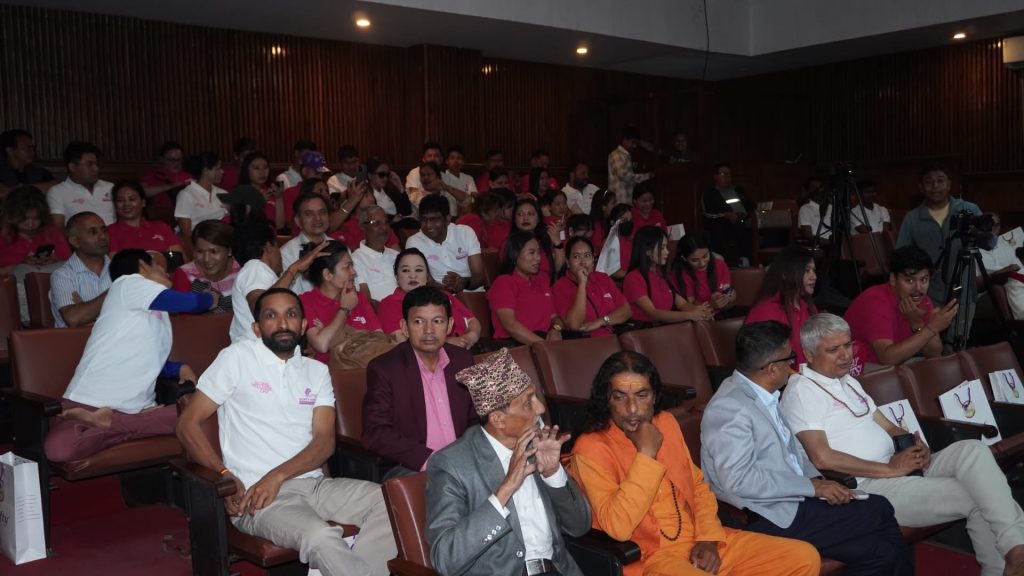
Speaking at a special program organized on the occasion of World Wellness Day at the Nepal Tourism Board hall on Saturday, Minister Paudel said the government is actively working on developing necessary policies and strategies to expand wellness tourism across the country.
He further informed that academic programs related to well-being studies will be expanded through the Nepal Academy of Tourism and Hotel Management (NATHM), with plans to introduce diploma and postgraduate-level courses in well-being tourism and hospitality management.
Nepal’s Natural and Spiritual Identity as a Foundation for Wellness Tourism
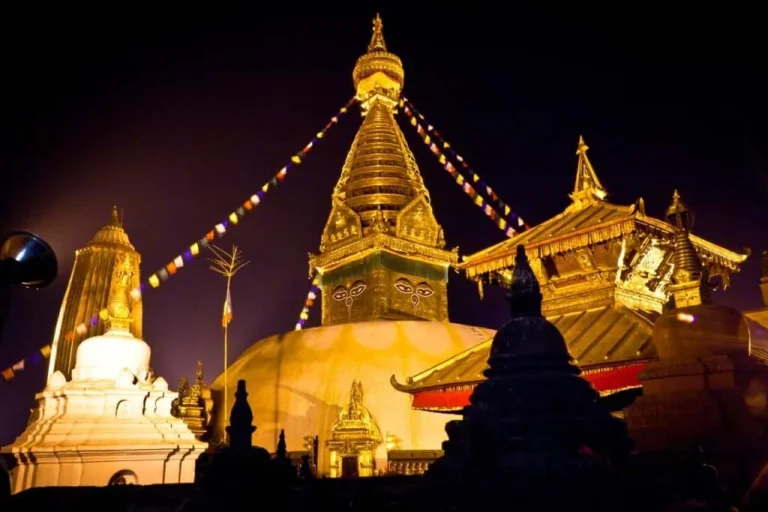
Minister Paudel emphasized that Nepal is naturally a spiritual land enriched with Himalayas, rivers, forests, and pure natural environments, all of which contribute to inner peace and positive energy. “Tourism is ultimately about happiness, and happiness is what the world is searching for today,” he said. “Nepal has immense potential in spirituality, yoga, meditation, natural healing, and wellness lifestyles. The government is committed to developing this sector in a structured way.” He added that well-being tourism could become one of the strongest pillars of Nepal’s future tourism economy, helping attract high-value international travelers seeking mental peace and holistic healing experiences.
Stakeholders Highlight Rapid Growth of Global Wellness Industry
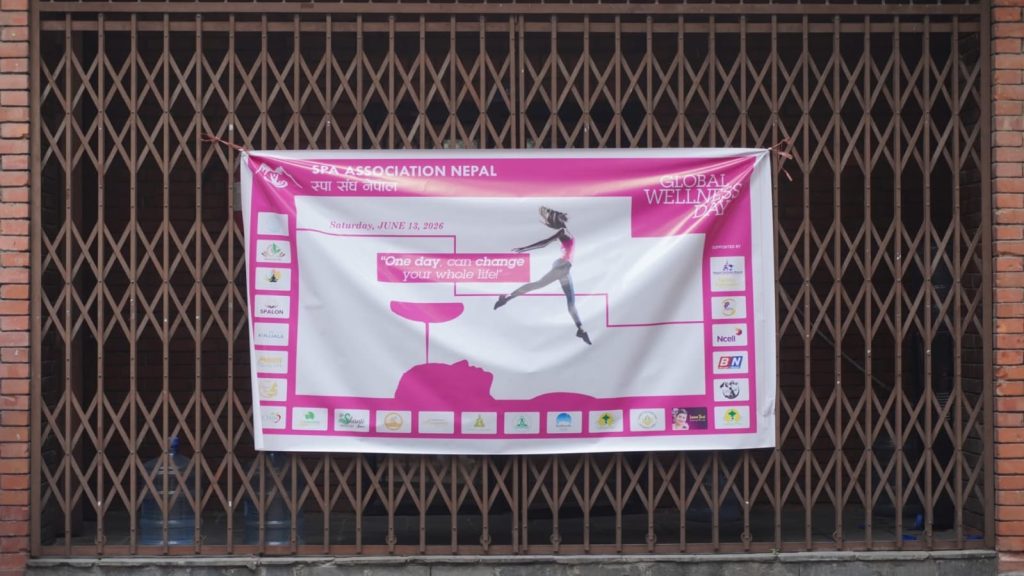
The event, jointly organized by the Nepal Tourism Board, Spa Association Nepal, and other partner institutions, included discussions on the global rise of wellness tourism and the expanding importance of spa and natural healing systems. President of Spa Association Nepal Suresh Puri said that nearly 700 million people worldwide are currently connected to wellness tourism, highlighting its massive global market potential.
He emphasized that spa services should not be viewed merely as leisure or relaxation facilities but as an essential part of preventive healthcare and healthy lifestyle management. Puri also stressed the need for a structured framework for the sector, including internationally standardized service systems and three-month professional training and certification programs for spa practitioners. “World Wellness Day has been observed continuously for the past 15 years globally,” he said. “Nepal must also prioritize well-being tourism as a national agenda.”
Nepal’s Ayurveda and Spa Industry Needs Professional Expansion
Officiating Director of the Nepal Tourism Board Laxman Gautam highlighted that spa traditions globally have historical roots linked to healing water practices in Europe, while Nepal already possesses deep-rooted traditions of Ayurveda and holistic living. He stressed the need to recognize spa services as a respected and professional career path, supported by structured training and certification systems.
Similarly, Secretary of Spa Association Nepal Ramdev Mahato presented a detailed briefing on World Wellness Day, explaining how modern spa practices have evolved beyond massage services to become essential for physical, mental, and emotional well-being. He noted that in today’s fast-paced lifestyle, spa therapy plays a crucial role in reducing stress and promoting mental balance.
Experts Call Nepal a “Living Symbol of Wellness”
International wellness expert Donald Cha described Nepal itself as a symbol of well-being, stating that yoga, meditation, traditional healing systems, spa practices, and spiritual disciplines should be transformed into economic assets within the tourism industry. “If someone asks what wellness is, my answer is simple, Nepal itself is well-being,” he said, adding that Nepal’s natural and spiritual resources must be effectively promoted in global markets. He also urged stakeholders to integrate Nepal’s unique healing traditions with international tourism strategies to strengthen its global positioning.
Campaigns on Healthy Lifestyle and Awareness to Continue
Representative of Malaysia Spa Association Khem Dhami informed that awareness campaigns related to healthy food, lifestyle, and cancer prevention will continue in the coming years as part of World Wellness Day initiatives. The program also included a yoga session led by yoga instructor Prakash, along with demonstrations of sound healing therapy and self-massage techniques for stress management.
According to Senior Officer Santosh Bikram Thapa of the Nepal Tourism Board, the initiative aims to integrate yoga, meditation, Ayurveda, natural healing, and spa services into a unified well-being tourism framework to establish Nepal as a world-class wellness destination.
Nepal Targets Global Wellness Tourism Market
With growing international demand for health-focused travel, Nepal is positioning itself to attract high-value tourists seeking wellness retreats, spiritual experiences, and natural healing therapies. Officials believe that the proposed Wellness Decade initiative will not only strengthen Nepal’s tourism sector but also create new opportunities in education, employment, and global branding of Nepal as a holistic well-being destination rooted in nature and spirituality.