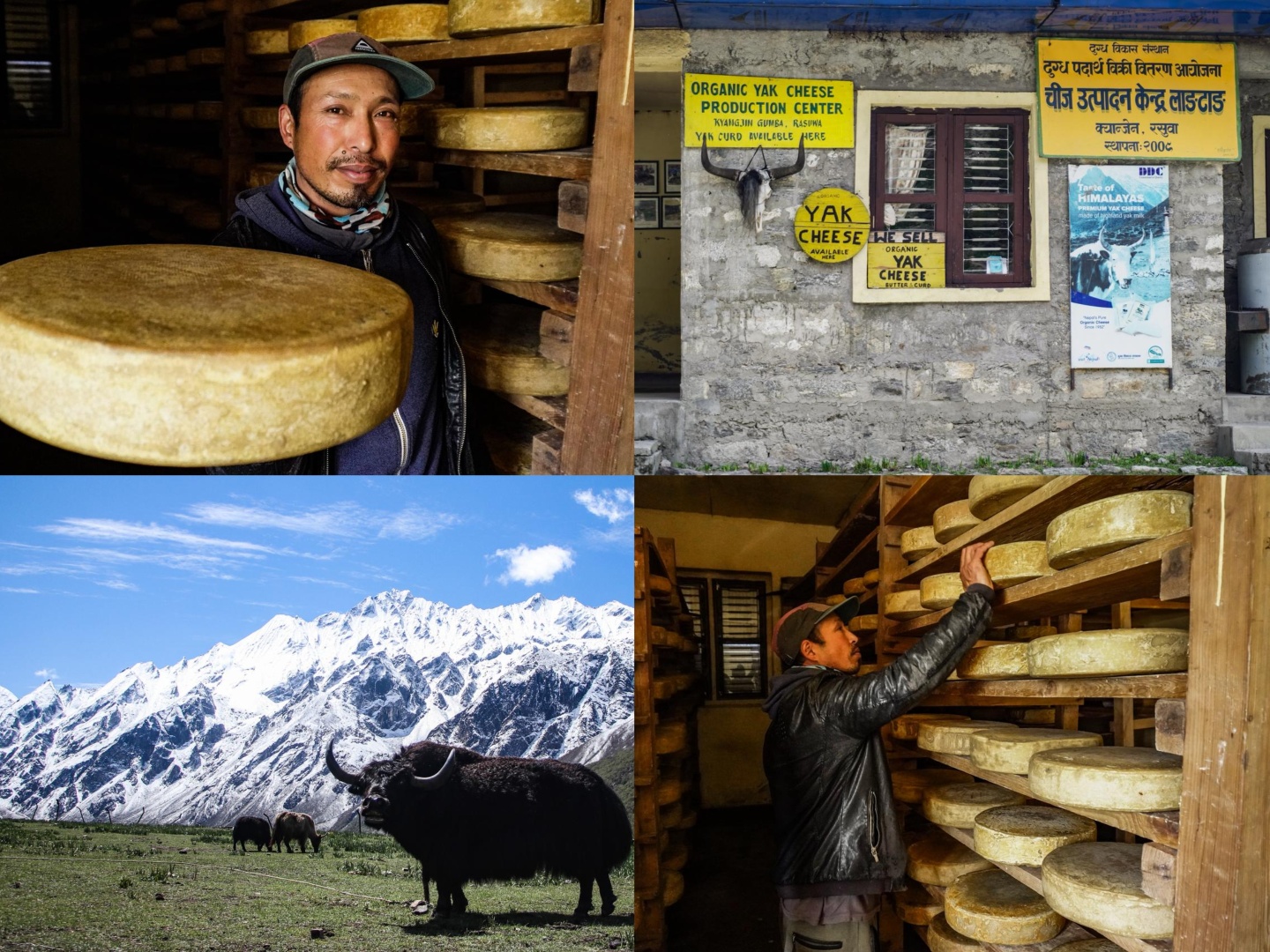
Kyanjin Gompa, Rasuwa Nestled at the foothills of the Langtang Himalayan range, the DDC cheese factory in Kyanjin Gompa is more than just a dairy industry. It is a living symbol of Himalayan life, local livelihoods, and Nepal’s unique culinary heritage. Situated at an altitude of about 3,870 meters above sea level, the factory is renowned for producing yak and chauri cheese that has earned recognition both within Nepal and abroad.
However, in recent years, farmer migration, shrinking grazing lands and climate change have led to a significant decline in production. Established in the 1950s with Swiss technical assistance, the Kyanjin cheese production center is regarded as one of Nepal’s pioneering facilities for commercial yak cheese production. For decades, it has provided an important source of income for local herders while offering thousands of trekkers and tourists a taste of the Himalayas.
Declining Milk Supply as Herding Traditions Fade
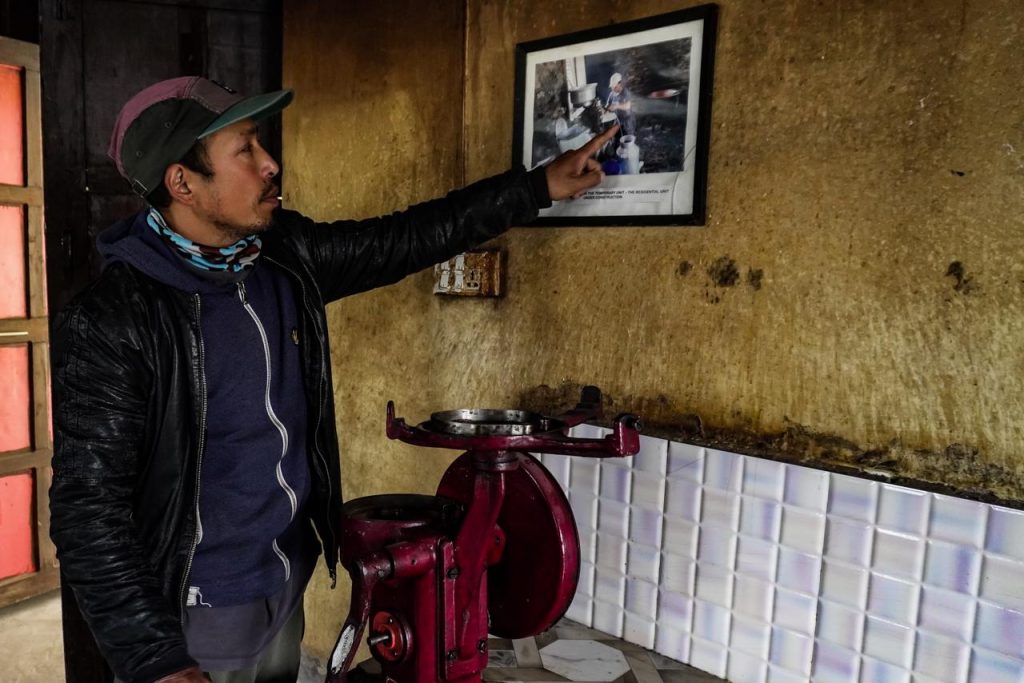
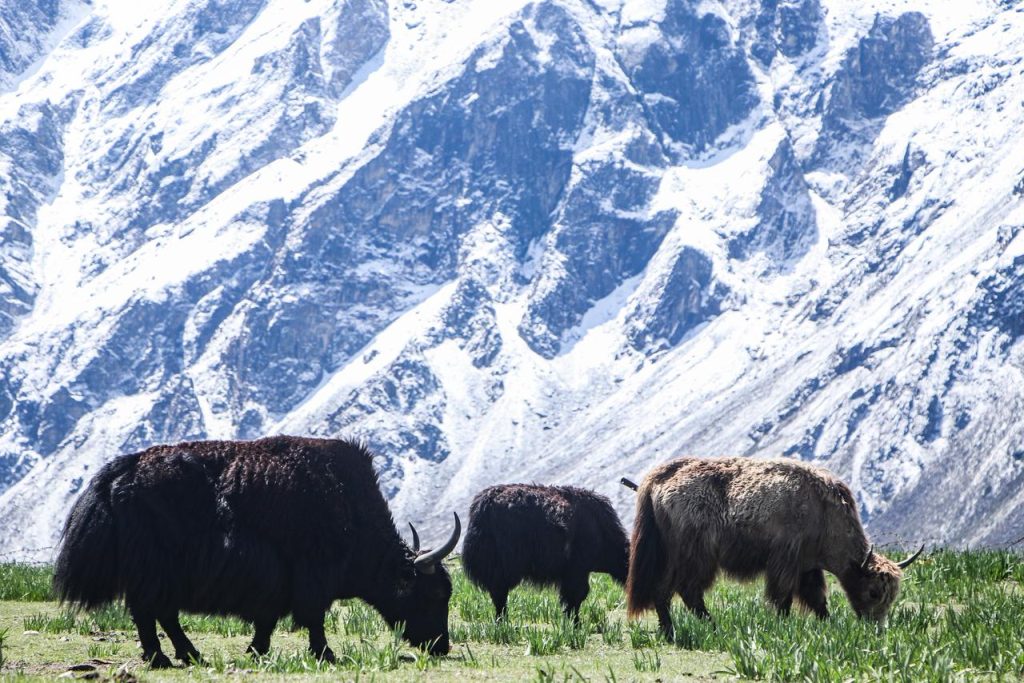
According to cheese maker Gyalbo Tamang, the industry is facing growing challenges. “We used to collect up to 500 liters of milk a day, but now we receive only around 60 to 70 liters,” Tamang said. “Farmers are leaving the profession, grazing areas are shrinking, and climate change is altering traditional pasturelands used for yak and chauri herding.” He explained that herders still take their animals to grazing grounds above 5,000 meters, but unpredictable weather patterns and the gradual loss of pastureland have directly affected milk production.
Traditional Cheese-Making Under Pressure
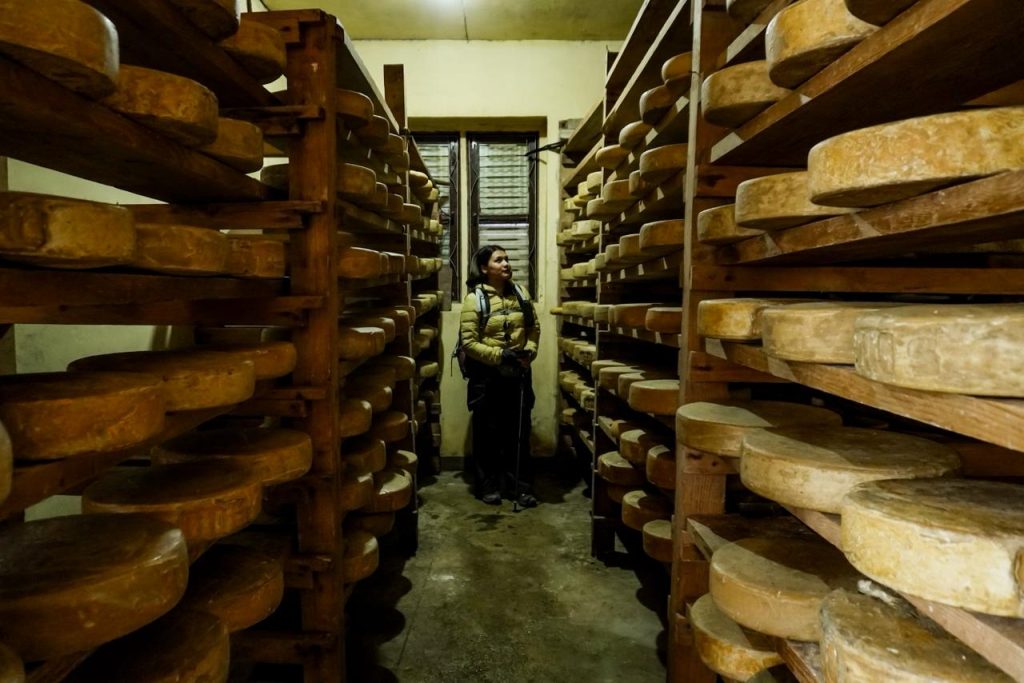
The cheese making process itself is lengthy and labor intensive. Milk collected at the factory does not become market ready cheese immediately. According to Tamang, it takes at least three months before the cheese is ready for consumption. “After the milk is processed, the cheese must mature for three months. It becomes edible after that period, but the longer it is aged, the richer its flavor and quality become,” he said.
A Himalayan Delicacy Attracting Tourists Worldwide
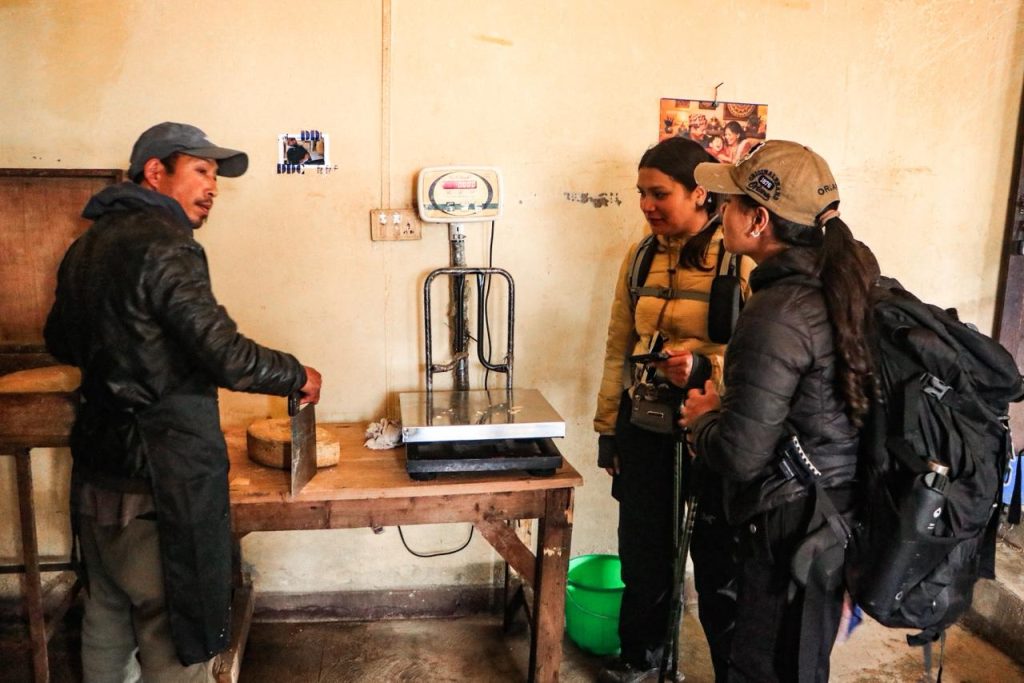
Deepak Shrestha, a salesman at the factory, said most domestic and international visitors to Kyanjin are eager to taste the famous Himalayan yak cheese and often purchase it as a souvenir. “Tourists are interested not only in the taste but also in learning about its history and production process,” Shrestha said. “Cheese produced in the heart of the Himalayas offers a unique experience for visitors.”
Growing Popularity After National Attention
The product recently returned to national attention after Prime Minister Balendra Shah shared a photograph of himself eating yak cheese on social media. According to officials from the Dairy Development Corporation (DDC), demand for yak cheese increased significantly following the post, leading to a noticeable rise in sales.
Kyanjin as One of the World’s Highest Cheese Factories
Rasuwa district currently has five yak and chauri cheese production centers: Kyanjin, Dhunche, Chandanbari, Gatlang, and Tatopani. Among them, the Kyanjin facility is considered one of the highest altitude cheese factories operating in the world.
For local residents, the factory is not merely a production center but a cornerstone of their livelihood. The industry supports yak and chauri herding, milk collection, cheese production, and tourism, helping sustain economic activity across the Langtang region.
Climate Change and Migration Threaten the Future in the Himalayan
Yet declining production and the shrinking number of livestock farmers have raised concerns about the future of the industry. Locals say greater attention from government agencies and relevant stakeholders is needed to protect this unique Himalayan product.
A Cultural Identity at Risk of Disappearing
Today, Kyanjin’s yak cheese represents more than food. It embodies Himalayan culture, generations of hard work, and Nepal’s indigenous identity. But preserving this heritage is becoming increasingly difficult. Without effective measures to address current challenges, locals fear that this distinctive taste of the Himalayas could gradually become a part of history.