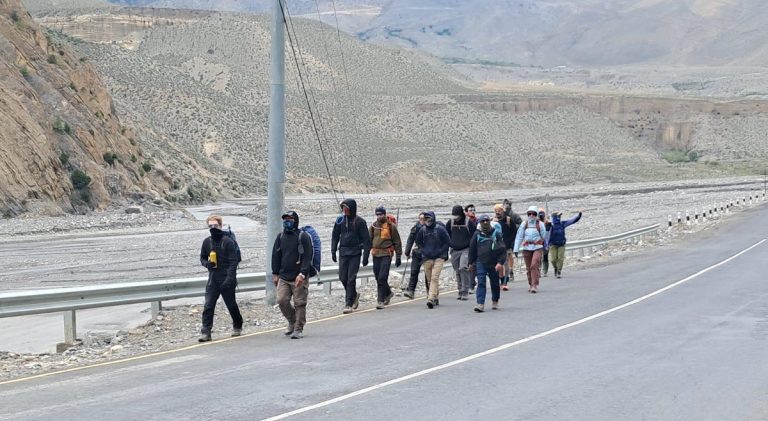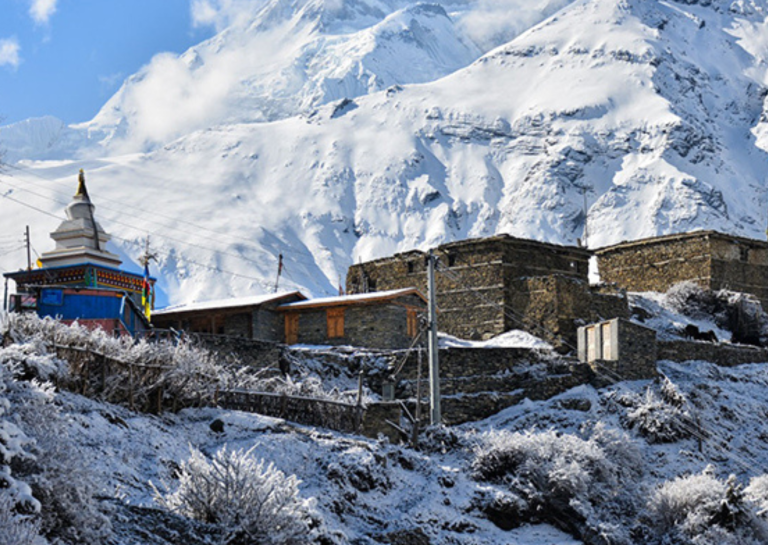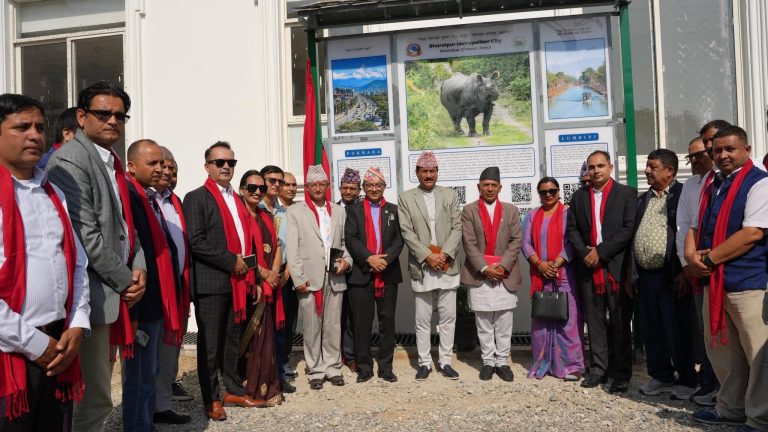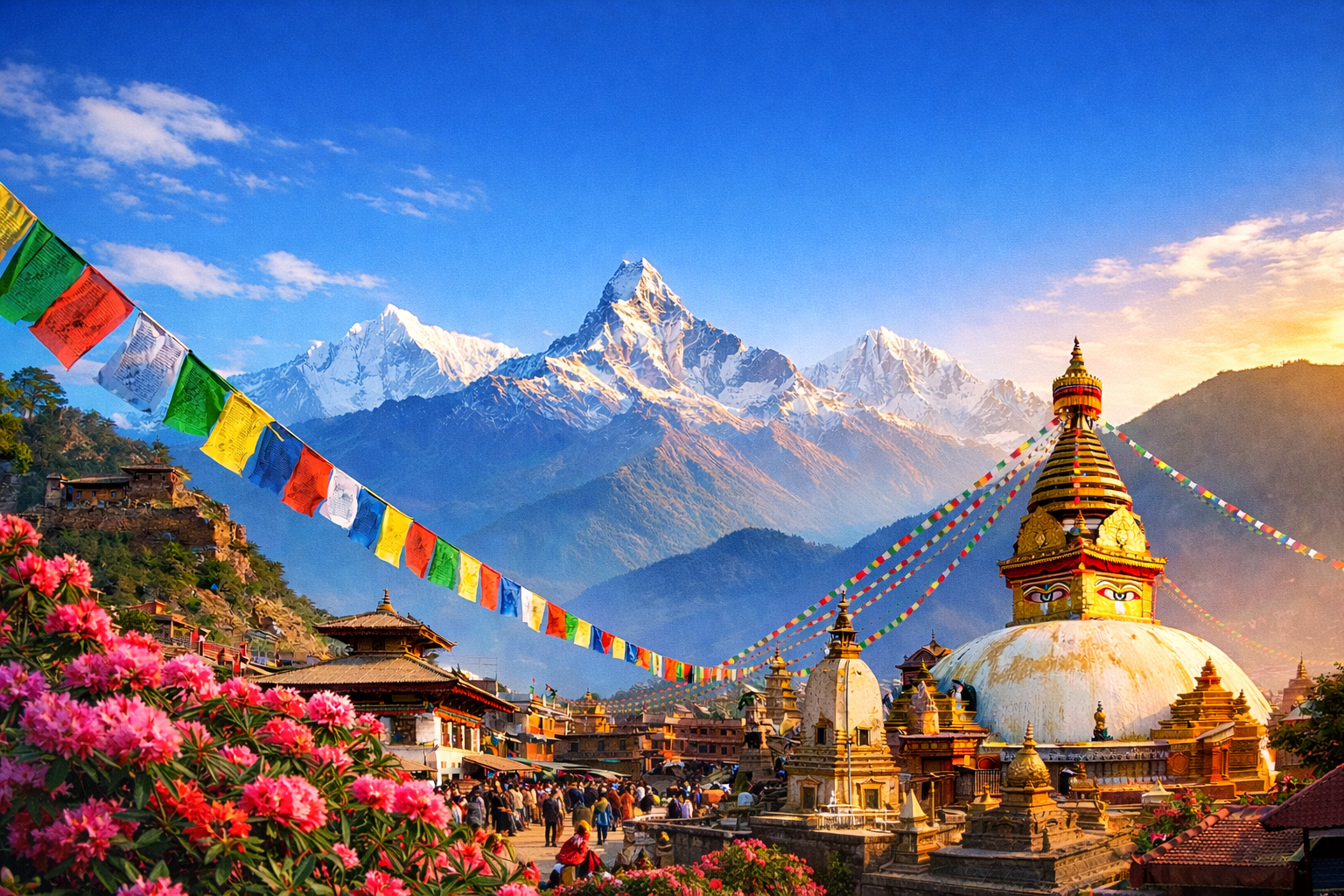
Nepal has long been praised for its stunning landscapes, lively culture, and friendly people. Set against a backdrop of unmatched natural beauty, visitors to this Himalayan nation may enjoy a unique blend of spiritual heritage sites, vibrant local experiences, and towering mountain peaks. Despite the disruptions to global transit routes caused by Middle East conflicts, Nepal, which is tucked away between two large neighbours, China and India, continues to be a popular and safe vacation destination internationally.
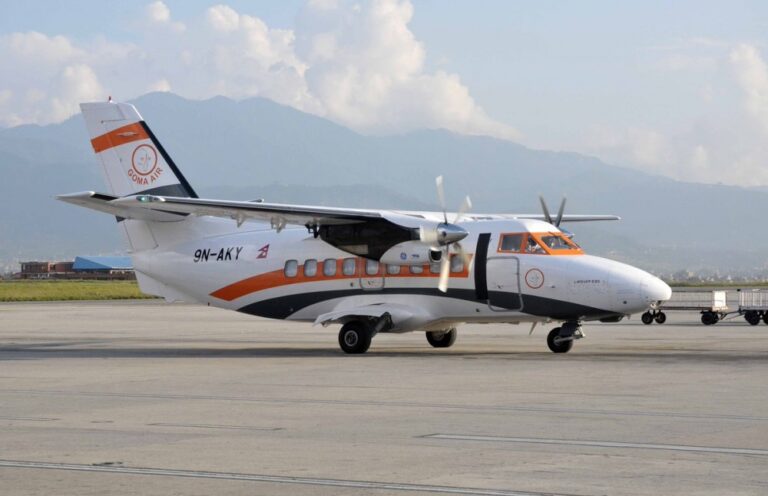
Limited flights have resumed despite minor disruptions to some international flights, especially those that pass through hubs like Dubai, indicating Nepal’s openness and dedication to welcoming tourists. Crucially, travel to Nepal is completely safe because these far-off conflicts have no direct effect on the nation. Emphasising this fact is essential, particularly as spring draws near, which is typically the busiest time of year to visit the Himalayas.
The Impact of the Middle East Conflict on Transit Routes
Certain international travel routes are now less predictable due to recent events in the Middle East. When coming to Nepal, tourists from South Asia, Southeast Asia, and beyond frequently pass through cities like Dubai, Doha, or Kuala Lumpur. Travellers may pause or postpone scheduled trips as a result of disruptions at these hubs. It is important to remember, nevertheless, that its own security and stability are unaffected by wars in far-off places. The peace, friendly culture, and breathtaking scenery of the nation are still present. The fact that some flights from Dubai have resumed shows how flexible international airlines are and that Nepal will remain accessible to tourists from other countries.
Alternative Transit Options and Traveller Confidence
Travel agencies and tourism organisations play a crucial role in providing alternative transit options to maintain visitor confidence. Offering flexible routes through cities like Istanbul, Bangkok, Singapore, Delhi, or Colombo can help travellers avoid disrupted hubs without implying any danger within Nepal itself. Clear communication is essential: assuring tourists that their safety is not at risk while guiding them through practical alternatives increases trust and encourages bookings.
From initial trip planning to arrival, travel operators must provide accurate information about flight schedules, alternative routes, and safety precautions. When agencies explain that the country is unaffected by Middle East crises, tourists feel secure and more likely to confirm their reservations.
Nepal Tourism Board’s Ongoing Efforts
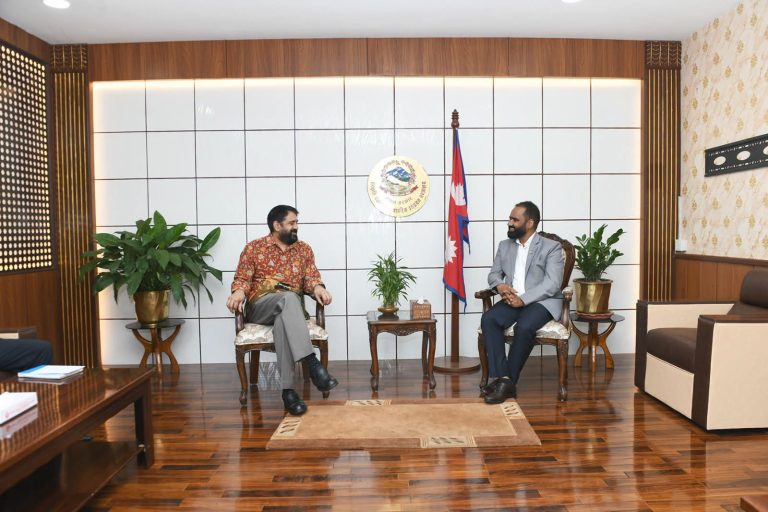
Deepak Raj Joshi, CEO of the Nepal Tourism Board, highlights the Board’s proactive measures:
“We are concerned that the ongoing conflict in the globe, particularly in some parts of the Middle East, is making it difficult to travel internationally. These kinds of tensions have a big effect on tourism, and we hope this will be smoothed out soon. Nepal, on the other hand, is still completely safe, peaceful, and unaffected. Some transit routes in the Middle East are currently closed, but travellers can fly directly to Kathmandu via other hubs. We urge people who are already in Nepal to stay longer and those who are planning trips to continue their trip with confidence.”
Nepal is being actively promoted globally by the Nepal Tourism Board (NTB). They are currently at ITB Berlin in Germany after attending the Outdoor Adventure Show 2026 in Canada. We cordially invite visitors to visit our stunning and inspirational location and take advantage of once-in-a-lifetime experiences in Nepal. Nepal’s hospitality is still of the highest calibre.
Minimal but Significant Impact on Tourist Arrivals
According to the NTB, tourists from the Middle East contributed only 0.9 percent (949 individuals) to total international arrivals in February 2026. While this is a relatively small share compared to South Asia (33.5%) and other Asian regions (28.3%), it reinforces the need for alternative transit options to ensure uninterrupted travel.
Reassuring Tourists About Safety and Seasonal Appeal
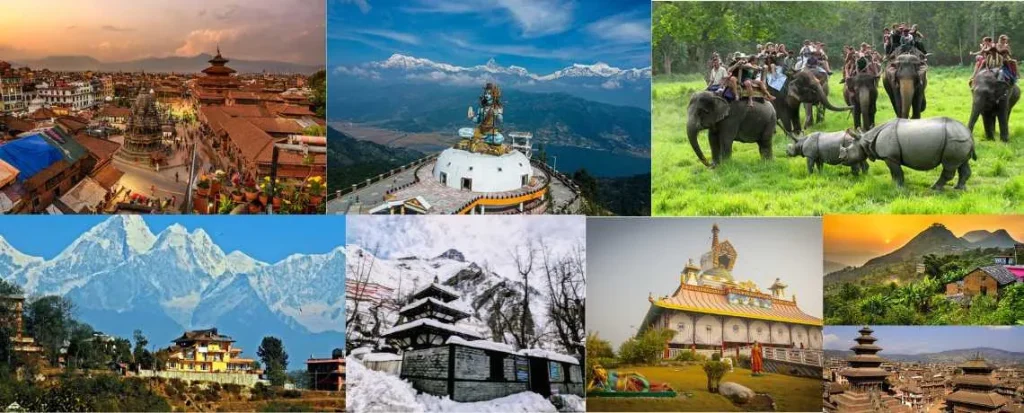
Safety and peace of mind are top priorities for visitors. Its clean safety record, a peaceful society, and warm hospitality are strong selling points. Tour operators should emphasise that travellers can enjoy mountains, cultural experiences, wildlife, and adventure without concerns stemming from distant conflicts.
Spring (March–May) is an ideal season to visit Nepal. With mild weather, rhododendrons in full bloom, and clear skies offering stunning mountain vistas, it is the peak period for trekking, sightseeing, and cultural exploration. Highlighting this seasonal appeal helps travel agencies convert interest into actual visits, especially from tourists planning their vacations around spring breaks.
Encouraging Tourism Despite Global Challenges
Kumar Mani Thapaliya, President of the Nepal Association of Tour and Travel Agents (NATTA), emphasises the importance of reassuring potential visitors:
“The conflict in the Middle East is creating serious challenges for global tourism, especially during peak seasons, with fewer travelers. Nepal, however, remains entirely safe and welcoming. We must actively encourage tourists to extend their stay and reassure them of our security. By implementing smart, targeted marketing strategies, we can attract more visitors from India, China, and beyond, and even redirect travelers who were planning trips to Dubai or Malaysia to Nepal. With the right initiatives, we can not only mitigate the impact of global unrest but also strengthen Nepal’s position as a safe, high-value tourism destination.”
It highlights the proactive approach needed to maintain confidence among tourists and ensure Nepal remains an appealing destination, even amid international uncertainty.
Role of Travel Agencies and Stakeholders
Travel agencies serve as the vital bridge connecting visitors to experiences. In uncertain times, their responsibilities include:
- Educating travellers about the reality of Nepal versus transit hub risks.
- Offering flexible flight and transit options.
- Creating comprehensive packages with flights, accommodation, tours, and activities.
- Providing real-time updates on travel advisories and safety information.
Government tourism boards, aviation authorities, and private agencies must collaborate to enhance visibility, increase transit options, and assure international tourists of smooth travel.
Marketing Nepal as a Safe, Preferred Destination
Marketing should focus on its safety, accessibility, and visitor satisfaction. Social media, travel blogs, brochures, and virtual tours can showcase limited flights from Dubai, alternative transit routes, and positive tourist testimonials. Combining the country’s stunning landscapes, cultural richness, and flexible travel options makes it a compelling destination, particularly during spring.
Seizing Opportunity Amid Uncertainty
Instead of letting global transport challenges hinder tourism, Nepal’s sector can transform uncertainty into opportunity. By collaborating with agencies, providing alternative transit solutions, reassuring visitors of safety, and promoting seasonal attractions, Nepal can continue to attract international tourists.
Nepal remains a serene, welcoming, and awe-inspiring destination. With targeted marketing, collaborative planning, and clear communication, the tourism industry can ensure that visitors experience the country’s unmatched beauty and hospitality safely and memorably.