
Nepal’s tourism journey in 2026 begins with a sense of renewed confidence. The successful national elections and the formation of a relatively stable government have sent a strong signal of political certainty, something the tourism industry has long needed. Stability at home strengthens Nepal’s credibility abroad, positioning the country as a dependable destination in an increasingly uncertain global environment.
At the same time, the global context presents a contrasting reality. The ongoing crisis in the Middle East is disrupting international travel patterns, increasing flight durations, and driving up fuel prices. For a destination like Nepal, which relies heavily on long-haul travel, these external shocks are real concerns. They directly influence travel demand, cost structures, and overall competitiveness in the global tourism market.
Reality: A Recovery That Signals Strength, but Not Stability
On the surface, Nepal’s tourism recovery appears robust and encouraging. The country recorded 1,158,459 international arrivals in 2025, bringing it very close to the 2019 pre-pandemic peak. Adding to this positive momentum, February 2026 surpassed pre-COVID monthly benchmarks, marking a symbolic milestone in Nepal’s tourism recovery journey.
However, beneath these encouraging numbers lies a more complex and evolving reality. The structure of tourism demand is gradually shifting. Regional markets are playing an increasingly dominant role, with India emerging as the backbone of Nepal’s tourism economy, while Bangladesh has demonstrated remarkable growth, validating the effectiveness of targeted regional promotion strategies.
At the same time, high-value Western markets such as the United States and Australia continue to show resilience, reinforcing Nepal’s global positioning as a leading adventure and experiential tourism destination. In contrast, China, once one of Nepal’s most significant source markets, remains substantially below its pre-pandemic levels, exposing a key vulnerability in the recovery process. This evolving pattern suggests that while Nepal is recovering in terms of volume, the composition of its tourism market is changing, requiring strategic recalibration and policy alignment.
Risks: External Shocks and Internal Constraints
Despite the visible recovery, Nepal’s tourism sector in 2026 is operating within a complex and risk-prone environment shaped by both global uncertainties and domestic limitations.
Globally, the crisis in the Middle East is already influencing travel behavior and aviation economics. Flight diversions have increased travel time, while rising jet fuel prices have pushed up airfares by an estimated 15 to 20 percent. These developments can discourage long-haul travel and shift tourist preferences toward closer or more cost-effective destinations, thereby affecting Nepal’s competitive position.
Domestically, long-standing structural challenges continue to constrain growth and efficiency. Tribhuvan International Airport remains a critical bottleneck, operating beyond its optimal capacity and limiting Nepal’s ability to scale tourism sustainably. High domestic airfares, combined with limited aviation infrastructure, restrict accessibility to key tourism hubs such as Lukla and Jomsom. At the same time, overcrowding in major trekking routes, particularly in the Everest region, is increasingly affecting environmental sustainability and the overall visitor experience.
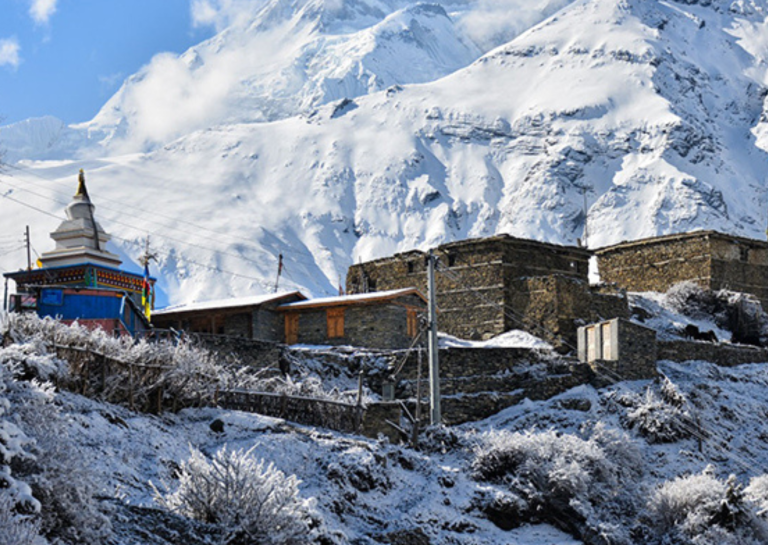
Institutional fragmentation among tourism-related stakeholders continues to slow coordinated action and policy implementation. Furthermore, the growing impacts of climate change, including damaged trekking trails and disrupted infrastructure in regions such as Manaslu, are adding another layer of operational risk. These combined challenges highlight a crucial reality: Nepal’s tourism growth, while promising, remains fragile and exposed to both internal inefficiencies and external shocks.
Recovery: Data, Direction, and the Way Forward
A clearer understanding of Nepal’s recovery trajectory emerges when examining comparative tourism data over recent years:
| Year | International Tourist Arrivals | Key Insight |
| 2019 | 1,197,191 | Peak pre-pandemic performance |
| 2023 | 1,014,882 | Strong rebound phase post-COVID |
| 2025 | 1,158,459 | Near full recovery, only 3.2% below 2019 |
This data reflects a steady and encouraging recovery trend, but it also underscores that Nepal has not yet fully surpassed its pre-pandemic benchmark on an annual basis. More importantly, the nature of tourism demand has evolved, making it essential to rethink the overall development approach.
The recovery phase must therefore move beyond numerical growth and focus on structural transformation. Nepal needs to transition from a volume-driven model to a value-driven tourism strategy that prioritizes quality, sustainability, and long-term resilience. This includes improving visitor management in high-traffic destinations to preserve both environmental integrity and visitor satisfaction, while simultaneously positioning Nepal as a premium and responsible tourism destination.
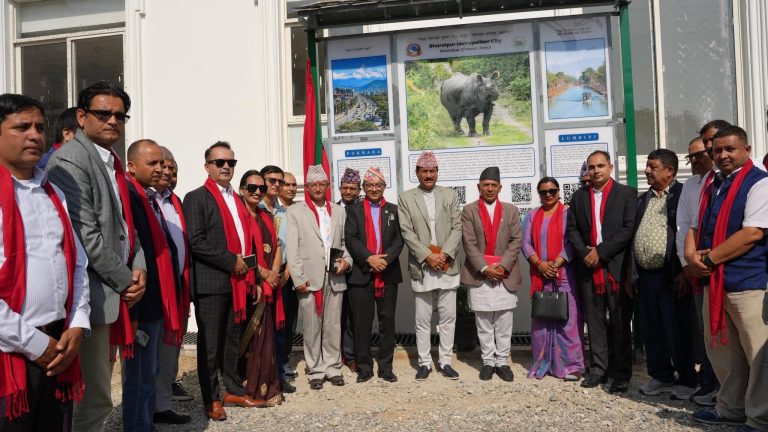
Strengthening infrastructure and connectivity is equally critical. The operationalization of international airports in Pokhara and Bhairahawa will play a key role in decentralizing tourism flows and reducing pressure on Kathmandu. In parallel, targeted investments in emerging destinations are beginning to reshape Nepal’s tourism landscape.
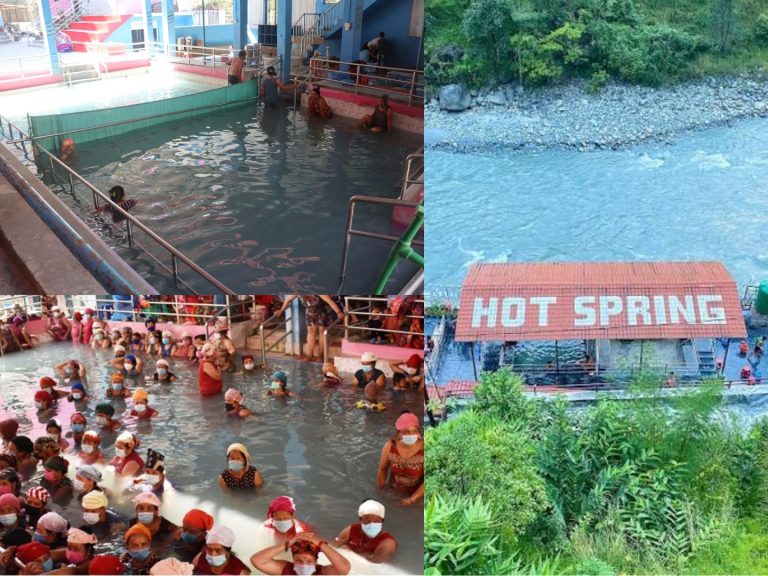
A notable example is the government’s initiative to transform Lumbini, the birthplace of Lord Buddha, through an investment of approximately 85 million US dollars aimed at enhancing infrastructure, visitor facilities, and global positioning as a major spiritual tourism hub. The Government of Nepal is also planning to promote wellness tourism, with a special focus under the ‘Nepal Wellness Year 2027’ initiative. Such initiatives reflect a broader strategic shift toward diversification and regional development. Market diversification must also remain a priority.
While India continues to provide a stable foundation, Nepal must actively re-engage the Chinese market and expand outreach to emerging regions such as the Middle East and Southeast Asia through data-driven and targeted marketing strategies. At the same time, addressing seasonality is essential for sustainable growth. Promoting monsoon tourism, wellness retreats, cultural experiences, long-stay opportunities for retired professionals, and digital nomad visas can help distribute tourist flows more evenly throughout the year. Finally, building climate resilience must be integrated into tourism planning. Investing in sustainable infrastructure, resilient trekking routes, and community-based tourism models will ensure that Nepal’s core tourism assets remain protected and viable in the face of environmental challenges.
Conclusion: From Recovery to Reinvention
Nepal’s tourism sector stands at a defining moment in 2026. The recovery is real and supported by strong data and renewed political stability. However, persistent risks at both global and domestic levels continue to challenge this progress.
The path forward is clear. Nepal must move beyond a focus on increasing tourist numbers and instead embrace a model centered on value, sustainability, and resilience. If managed strategically, this phase of recovery can become more than just a return to normal. It can mark the beginning of a stronger, smarter, and more competitive tourism industry that is better prepared for the uncertainties of the future.
Article By: Jayshakti Sarraf
Senior Officer
Nepal Tourism Board