International wellness tourism experts and tourism stakeholders have stressed the need for Nepal to establish its own distinctive identity in the global wellness tourism market by promoting the country’s indigenous culture, spiritual traditions, natural resources, and unique way of life.
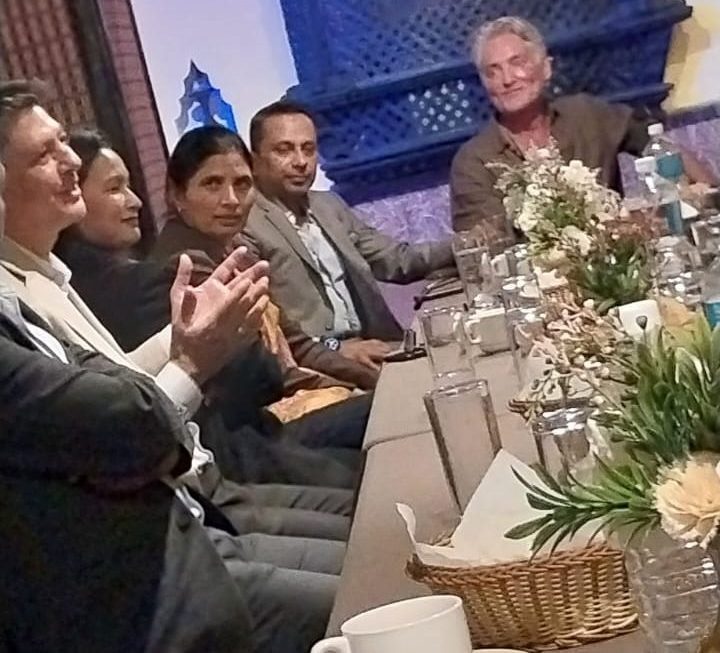
The call was made during an interaction programme titled ‘Wellness Tourism in Nepal: Global Perspectives and Strategic Priorities’, organised by the Nepal Tourism Board (NTB) at Nepali Chulo in Lazimpat, Kathmandu, on Wednesday evening. The discussion comes as Nepal prepares to promote 2027 as Nepal Wellness Tourism Year, with participants emphasising that the country’s wellness tourism identity should be built around its own cultural and spiritual strengths rather than by replicating models adopted by other destinations.

Nepal Has Strong Foundation for Wellness Tourism
International wellness expert Nigel Franklin said Nepal possesses the natural, cultural and spiritual foundations necessary to establish a distinctive position in the global wellness tourism market. Franklin, who has more than two decades of experience working with leading luxury hotels and wellness organisations around the world, said Nepal should develop a compelling narrative and strategic approach to communicate its unique wellness offerings to international markets.
He stressed that Nepal should not compromise its cultural identity while developing wellness travel and tourism. “Replicating the wellness tourism concepts of other countries would not be appropriate for Nepal. The country has its own philosophy of life rooted in culture, spirituality, traditions, and nature. Nepal needs to tell its own story to the global market,” Franklin said. He suggested that Nepal could showcase experiences connected to its temples, traditions, communities, and cultural practices to create a distinctive wellness tourism proposition.
Wellness Beyond Spa and Relaxation
According to Franklin, the growing global demand for wellness tourism presents Nepal with an opportunity to connect its cultural and spiritual heritage with tourism experiences. He said wellness should not be confined merely to spas, massages or physical relaxation. Instead, Nepal should present wellness through inner peace, connection with nature, a sense of belonging and traditional lifestyles. Franklin noted that people around the world are increasingly experiencing stress and exhaustion due to busy and hectic lifestyles. Nepal, he said, could offer them opportunities to reconnect with nature, culture and a more meaningful way of living.
Balancing Heritage Conservation and Tourism Growth
NTB Senior Director Laxman Gautam said one of the major challenges in developing wellness travel and tourism in Nepal would be maintaining a balance between preserving the country’s indigenous heritage and increasing tourist arrivals and economic benefits from tourism.
“We are currently in a situation of contradiction. On one hand, we have the responsibility to preserve our ancient heritage, religious faith, culture and indigenous identity. On the other, there is a need to increase tourist arrivals, extend their length of stay and expand the economic benefits generated by tourism. Maintaining a balance between these two aspects is the major challenge today,” Gautam said.
He said the fundamental objective of wellness tourism is to help people reconnect with themselves, understand their existence and achieve inner peace. Nepal, he added, can transform such experiences embedded in its culture, nature and lifestyle into distinctive tourism products.
Nepal Needs a New Global Wellness Identity
Gautam noted that Nepal’s international tourism image is still predominantly associated with mountains and mountaineering. While Nepal has already established a strong global reputation for adventure and mountain tourism, he said the country needs to develop a separate and recognisable identity in the wellness tourism segment. For this, Nepal must establish new standards and communicate its indigenous strengths in a language and format that international markets can understand, he said. The country’s cultural traditions, spiritual practices, natural environment and community-based experiences could form the foundation of such a distinctive wellness tourism identity.

Focus on 2027 Wellness Tourism Year
The interaction programme also discussed Nepal’s preparations for promoting 2027 as Nepal Wellness Tourism Year, the country’s positioning in international wellness markets and priorities for cooperation between the government and private sector. Participants discussed ways to establish a distinctive brand for Nepal’s wellness tourism while ensuring that the sector remains rooted in the country’s cultural and spiritual heritage. The discussions also focused on the need to develop authentic tourism experiences and communicate them effectively to international visitors.
Public-Private Collaboration Emphasised
Representatives from government agencies, private-sector organisations and associations involved in wellness tourism participated in the interaction. Tourism stakeholders stressed that wellness tourism should not be developed as an isolated segment but should be integrated into Nepal’s broader tourism ecosystem. They called for a clear international message, authentic tourism products, strong private-sector participation and targeted international promotion to position Nepal as a distinctive wellness destination. With preparations underway for the 2027 Wellness Tourism Year, participants said Nepal now has an opportunity to leverage its centuries-old cultural traditions, spiritual practices, natural environment and lifestyle to create a globally competitive wellness tourism brand without compromising its indigenous identity.