The festival of ‘Teej’, also known as ‘Haritalika Teej’, is widely observed today by Nepali Hindu women across the country. This significant occasion, which falls during the dark half of the lunar month of Bhadra, is dedicated to praying for the longevity and prosperity of their spouses.
The three-day festival begins with ‘Dar’, a special feast enjoyed by women on the second day of the fortnight in Bhadra. The feast is followed by a day of fasting, cultural programs, and ritual worship. Women gather to relish a variety of delicious dishes known as ‘Dar’ before observing a strict fast the next day, adhering to the age-old tradition.
On Teej day, women wake early to take ritual baths, offering prayers to Lord Shiva and lighting oil-fed lamps as part of their evening rituals. The night is spent in devotion and singing, with women paying homage to the deity throughout the evening.
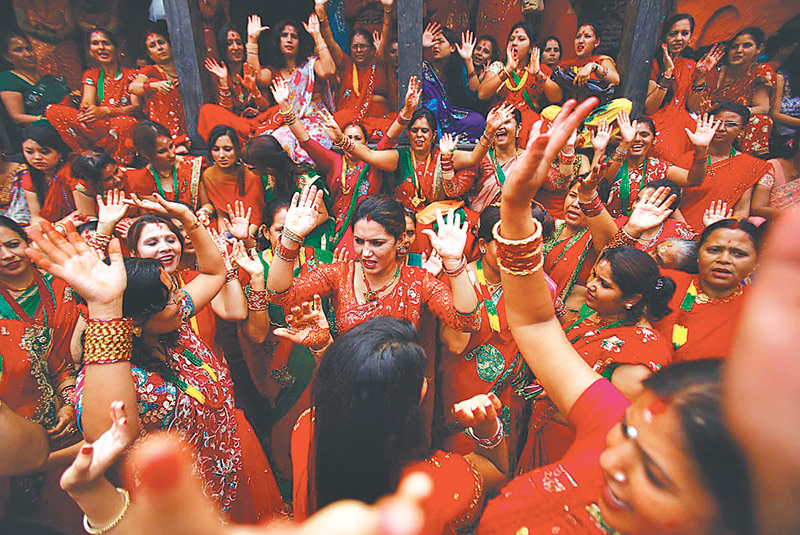
The festival concludes on the fifth day of the fortnight, following the worship of the ‘Saptarishi’ (seven sages), marking the end of the celebrations. Haritalika Teej is also recognized as a celebration of sisterhood, as women often gather at their maternal homes, dancing and singing in joyful unity.
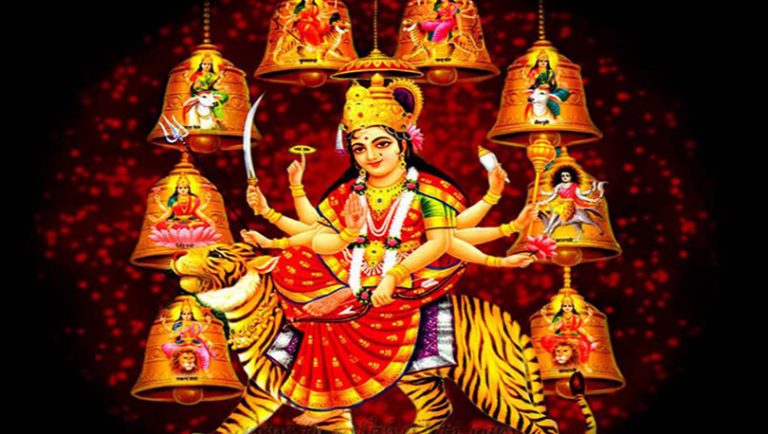
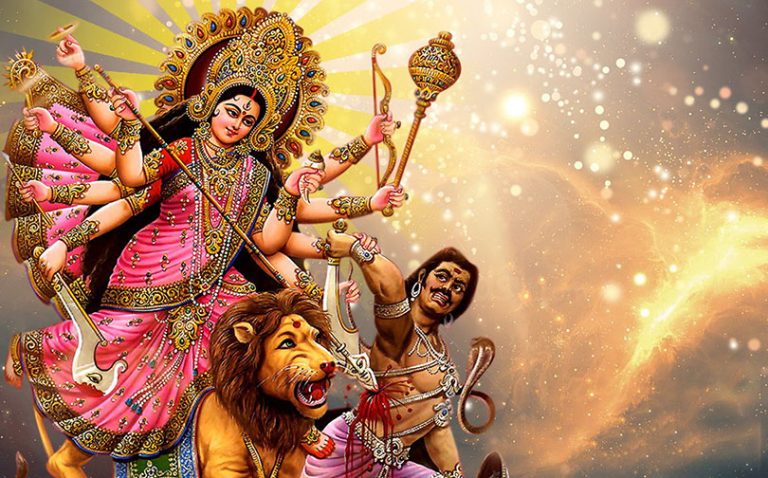
Legend has it that the festival originated with Goddess Parvati, daughter of the Himalayas, who undertook her maiden fast to ensure the health and well-being of her spouse, Lord Shiva. Since then, this day has been marked as Haritalika Teej, symbolizing devotion and marital blessings.
Married women adorn themselves in red saris or other traditional red attire, symbolizing good fortune. They also wear bangles, ‘Pote’ (a necklace made of glass beads), ‘Tilahari’, and ‘Sindur’ (crimson powder), considered auspicious symbols of married life. Unmarried women participate as well, fasting and praying for a happy and prosperous future with their desired partners.
Temples dedicated to Lord Shiva, especially the renowned Pashupatinath Temple in Kathmandu, witness an overwhelming number of women devotees offering prayers and observing rituals.
In honor of the festival, the Nepali government has declared a public holiday today, exclusively for women. The celebration of Haritalika Teej serves as a unique reflection of Nepali culture, blending religious devotion, tradition, and the joyous bonds of sisterhood.