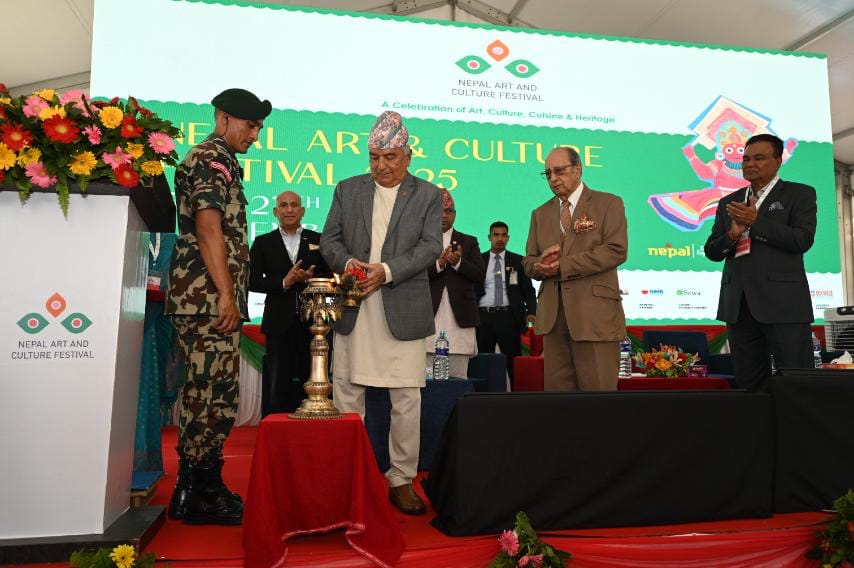
Nepal’s first-ever Nepal Art and Culture Festival 2025 commenced on Friday with a grand opening ceremony at the Nepal Art Council in Babarmahal. The event was officially inaugurated by President Ramchandra Paudel, marking a historic step in promoting Nepal’s rich artistic and cultural heritage on both national and international platforms.
President Highlights the Role of Art and Culture in Nation Branding
Addressing the opening ceremony, President Paudel emphasized that art, culture, and heritage are among the strongest pillars that define it’s identity in the global arena. He stressed that both the government and the private sector should work hand in hand to safeguard and promote these invaluable treasures.
“In a democracy, people from all walks of life and professions are entitled to equal opportunities,” President Paudel said. “It is our shared responsibility to preserve and promote our ancient heritage, art, and culture by making the most of these opportunities.”
The President also underlined that it’s cultural heritage attracts hundreds of thousands of visitors each year for study, observation, and research. He urged heritage enthusiasts to remain vigilant and proactive in protecting these assets for future generations.
Culture Minister Sees Festival as Global Cultural Opportunity
Minister for Culture, Tourism, and Civil Aviation, Badri Prasad Pandey, speaking at the event, called the festival a golden opportunity to introduce Nepal’s cultural identity to the international community.
“Our culture and natural beauty hold countless stories, stories of preservation, devotion, and the contributions of our ancestors, that the world deserves to hear,” he remarked. “This festival will serve as a bridge to share those narratives.”
Minister Pandey further announced that the festival would be included in it’s annual cultural calendar, with plans to expand and organize it in a more comprehensive and systematic manner every year.
Tourism Board Promotes Nepal Beyond Adventure
Deepak Raj Joshi, CEO of the Nepal Tourism Board, noted that while Nepal is widely recognized for its mountains and adventure tourism, the festival aims to showcase the nation as a “treasure trove of art and cultural heritage.”
“Even during what is considered the tourism ‘off-season,’ events like these can attract visitors,” Joshi said. “If we can preserve our unique culture and promote it globally, it will not only increase tourism revenue but also directly contribute to it’s prosperity.”
Nepal Art Council Envisions a Global Cultural Festival
Sagar Shumsher Rana, Chairman of the Nepal Art Council, expressed that such cultural celebrations have immense importance beyond Nepal’s borders. He revealed the council’s vision to expand the event into a “Global Cultural Festival” in the coming years, highlighting it’s capability to host large-scale cultural gatherings.
23 Days of Art, Performances, and Cultural Exchange
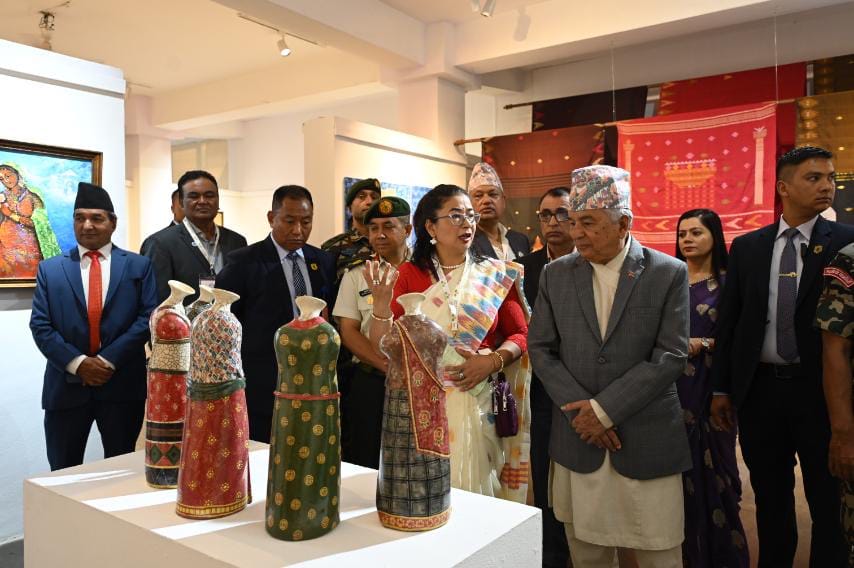
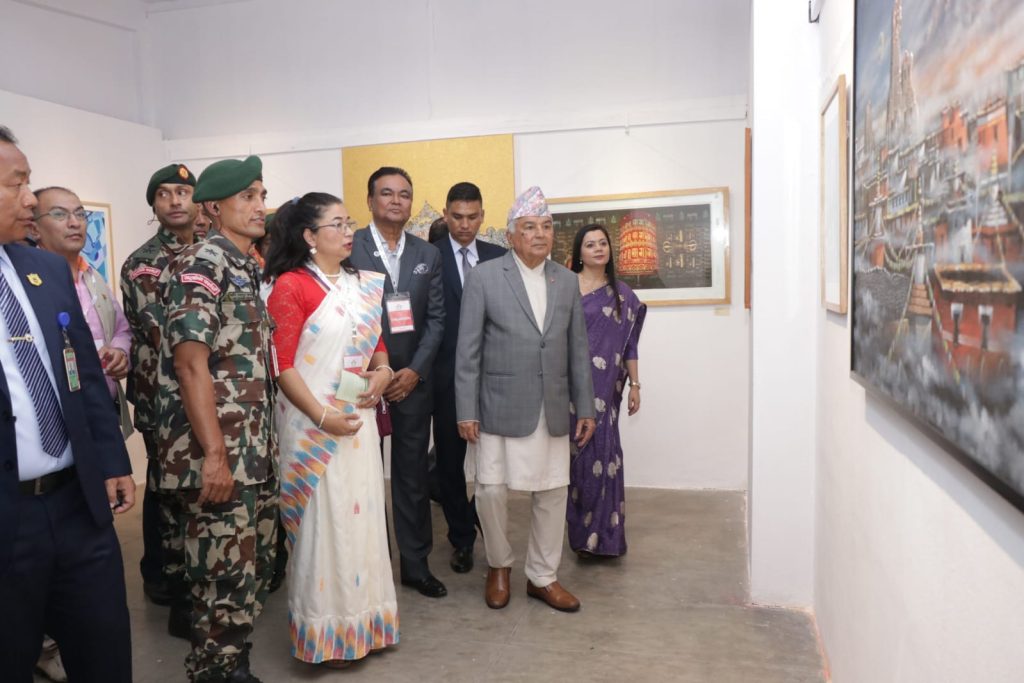
The festival, spanning 23 days across the four historic cities of Kathmandu, Lalitpur, Bhaktapur, and Kirtipur, will feature over 40 events. Visitors will have the chance to explore 273 art pieces created by 154 artists, along with cultural exhibitions, live performances, traditional cuisine, and experiences of it’s living heritage.
From fine art displays to music and dance showcases, the program offers a comprehensive cultural immersion. Local artisans will also demonstrate traditional crafts, giving attendees a closer look at it’s age-old artistic practices.
Collaboration Between Public and Private Sectors
The event is jointly organized by the Nepal Tourism Board, Nepal Art Council, and Hotel Association Nepal, in collaboration with the Kathmandu Valley municipalities and private sector partners. The festival coincides with the celebration of Indra Jatra, one of the Valley’s most vibrant and historically significant events.
Operating under the theme “Celebrating Nepal’s Eternal Art, Culture, Cuisine, and Heritage,” the festival aims to turn the historic towns of the Valley into vibrant cultural hubs, enhancing both domestic pride and international recognition.
Long-Term Cultural and Economic Impact
Organizers believe that the festival will not only create immediate buzz in the tourism sector but will also have a long-term impact by strengthening it’s image as a destination for cultural tourism. This could diversify the tourism market beyond trekking and mountaineering, attracting a wider range of visitors with interests in heritage, art, and culinary experiences.
By promoting it’s intangible and tangible heritage on the world stage, the Nepal Art and Culture Festival 2025 is poised to become an annual tradition that inspires pride among Nepalis and draws the attention of culture lovers from around the globe.