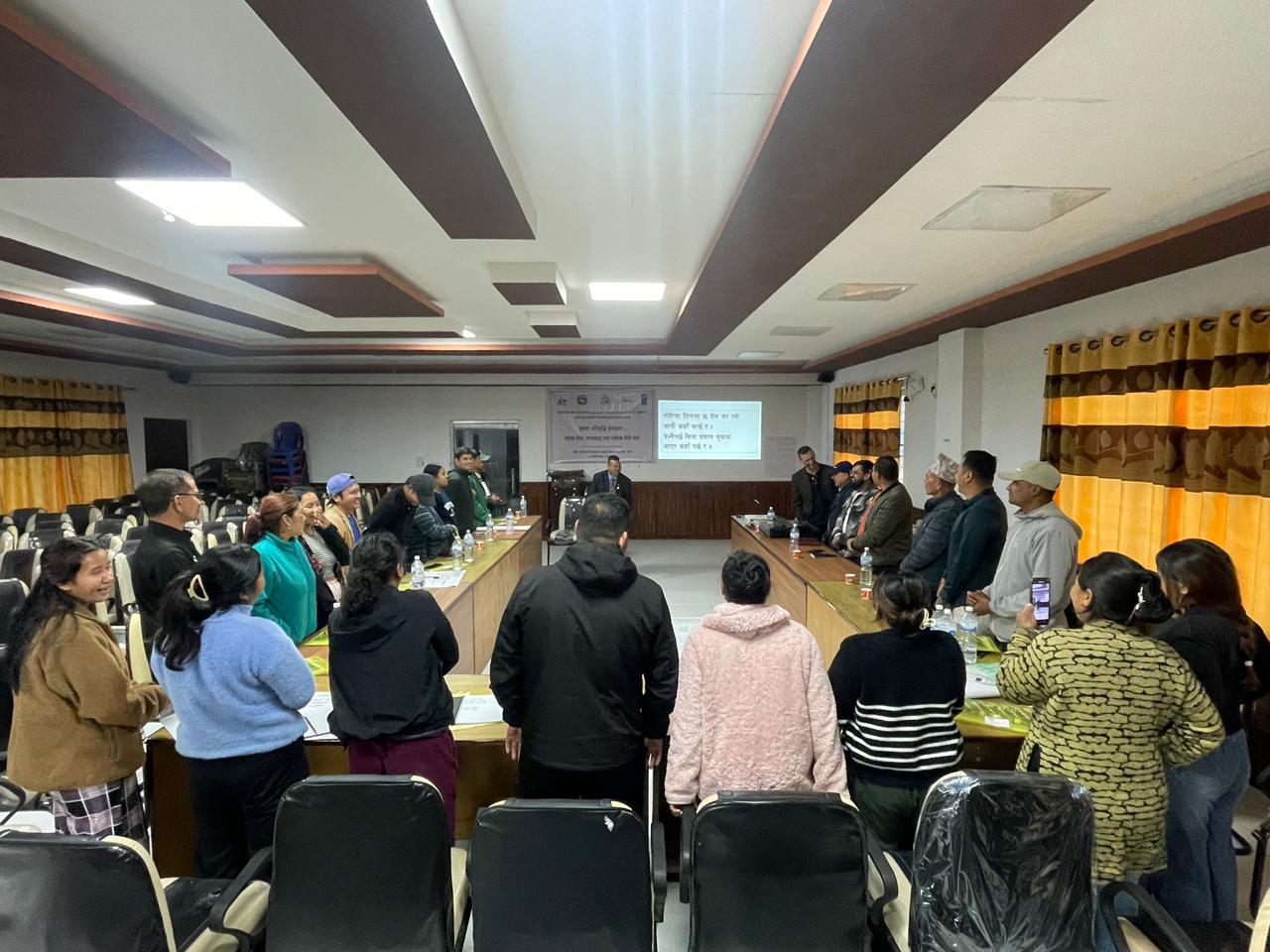
In a bid to enhance the quality of Nepal’s tourism services and foster sustainable development, the Nepal Tourism Board (NTB) has intensified its training programs for community-based tourism operators. Under the joint initiative of NTB and the United Nations Development Programme (UNDP), the Sustainable Tourism Project (STP) has partnered with Swati Organization to deliver specialized training on homestay management and hygiene standards in Bhodedar and Amaha Simsar, two prominent tourism destinations in Koshi Province.
Training Aimed at Strengthening Homestay Services and Local Capacity
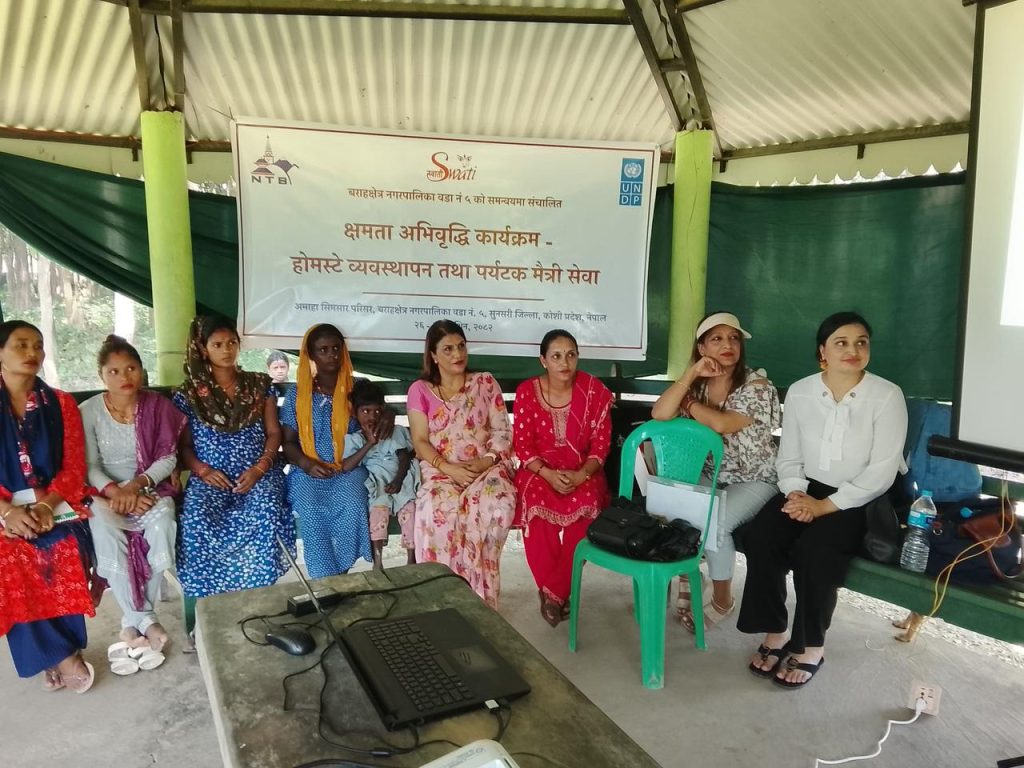
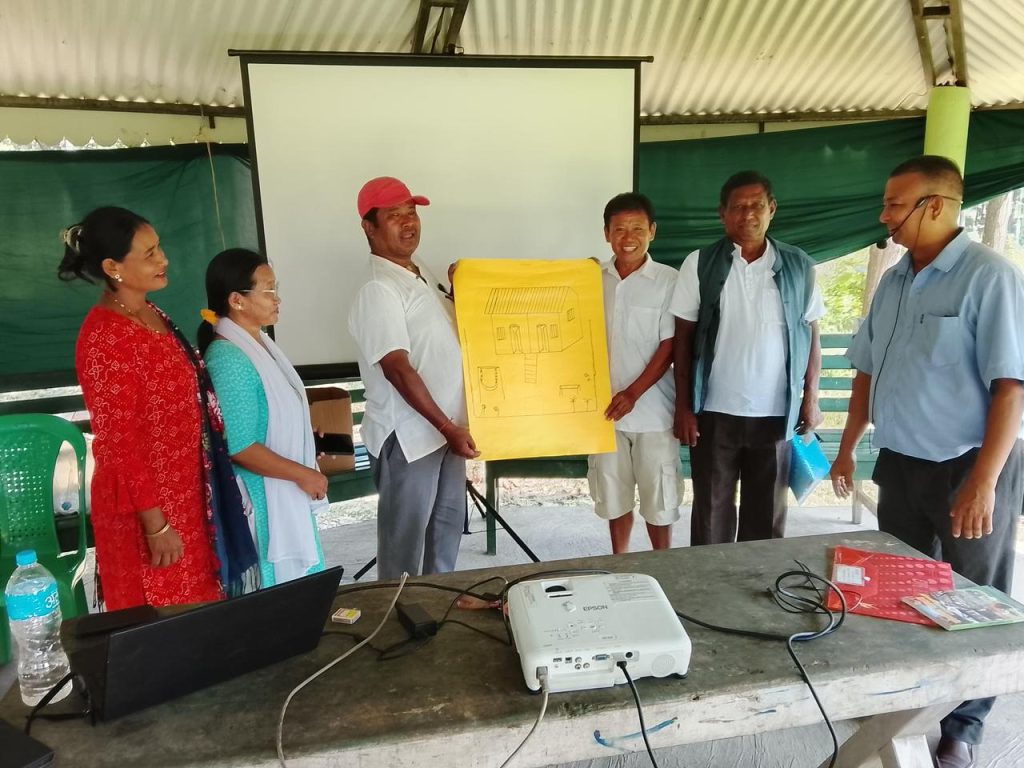
The training program titled “Homestay Management and Tourism-Friendly Service Capacity Building” was conducted in Amaha Simsar of Barahakshetra–5, Sunsari. The sessions equipped local residents and travel entrepreneurs with essential practical knowledge related to homestay operations. Participants received guidance on homestay potential assessment, registration procedures, hospitality and service etiquette, cultural presentation skills, communication practices in English and Hindi, and the use of digital platforms for tourism promotion.

On the opening day, a memorandum of understanding (MoU) was signed between the Swati Organization and Amaha Community Forest Committee, which locals believe will lay a formal foundation for the structured development of homestay in the area. Swati Organization Chairperson Sangita Niraula, addressing the inaugural session, emphasized the importance of maintaining high service standards to strengthen local tourism promotion. Following this, both the community forest committee and ward office expressed their commitment to advancing the process for official community homestay registration, raising hopes that travel in Amaha Simsar is poised for a new turning point.
Five-Day Training in Bhedetar Focuses on Hospitality, Hygiene, and Professional Conduct
Simultaneously, a five-day training program on “Customer Service, Hygiene, and Tourism-Friendly Behavior” was held in Bhedetar, Sangurigadhi–6 of Dhankuta. The training targeted local hoteliers and homestay operators, helping them improve professionalism and service delivery. Rural Municipality Chairperson Jitendra Rai highlighted the necessity of such capacity-building programs, pointing out that a large number of tourists visit Bhedetar from India each year. He stressed that high-quality service is crucial to encouraging repeat visits and sustaining travel growth.
President of the Bhedetar Hotel Association, Tumba Raj Limbu, acknowledged that while the number of homestays has rapidly increased in recent years, gaps in knowledge and skills remain. He stated that the training effectively addressed these shortcomings by providing practical solutions.
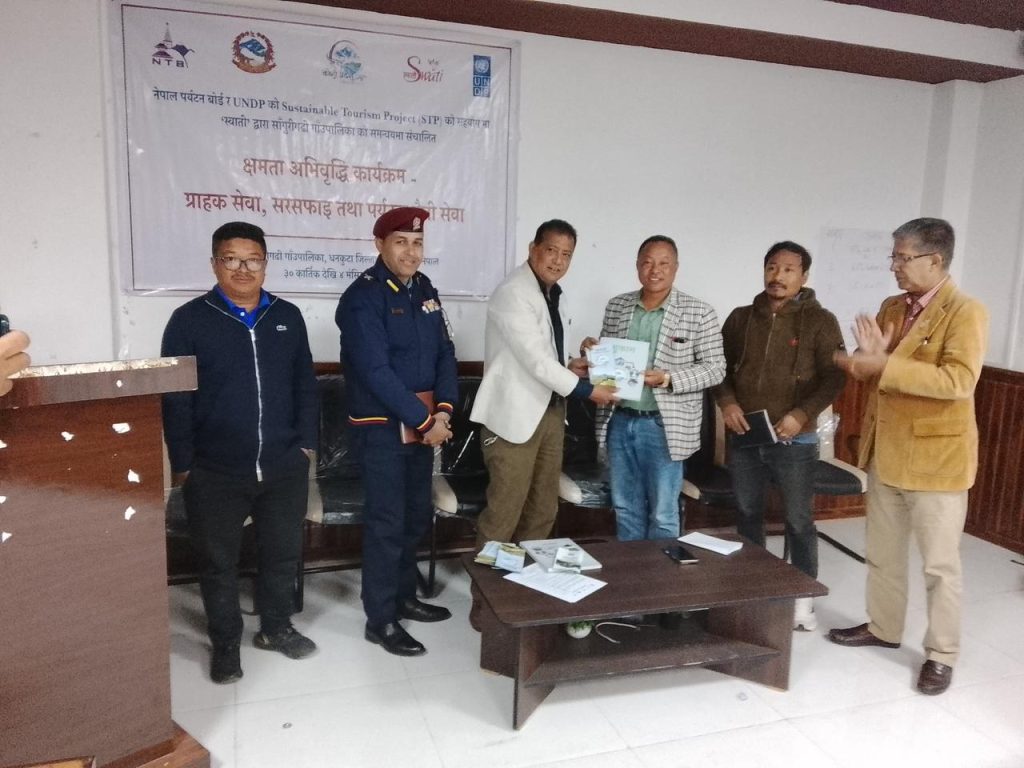
Local police representatives also shared their views, noting that establishing a dedicated tourist police unit would enhance safety and improve the visitor experience. Similarly, Bhabish Shrestha, Co-Coordinator of Koshi Tourism Year 2082, remarked that such training programs have become essential to overcoming behavioral challenges in the hospitality sector.
Following the training, participants and stakeholders reached an agreement to prioritize cleanliness, especially kitchen sanitation and staff hygiene, and to create a formal mechanism for monitoring service improvements. The ward office and the Hotel Association have committed to jointly oversee the implementation of training learnings, a move expected to significantly support the ongoing development of Bhedetar as a tourist-friendly destination.
Sustainable Tourism Project Targets 2,500 Green Jobs Nationwide
The Sustainable Tourism Project has set ambitious national goals, aiming to create 2,500 sustainable jobs and enhance the skills of 5,000 individuals across Nepal in the post-pandemic recovery period. By providing direct training, knowledge, and confidence to local communities, the STP envisions long-term improvements that will help position Nepal as a world-class sustainable travel destination.

STP Project Manager Dharmaraj Dawadi shared that the commitment shown by local communities in Amaha Simsar and Bhedetar has injected new energy into tourism development in Koshi Province. “The community’s dedication to preparing for homestay operations in Amaha Simsar and improving professional service standards in Bhedetar shows that local residents are becoming the real torchbearers of travel development,” Dawadi said. He added that this momentum will significantly contribute to achieving Nepal’s broader sustainable tourism goals.
NTB officials believe that these community-based training programs not only uplift service quality but also empower rural populations to actively participate in the tourism economy. As Koshi Province continues to gain prominence as a diverse tourism hub, such initiatives are expected to play a crucial role in strengthening Nepal’s overall travel competitiveness.