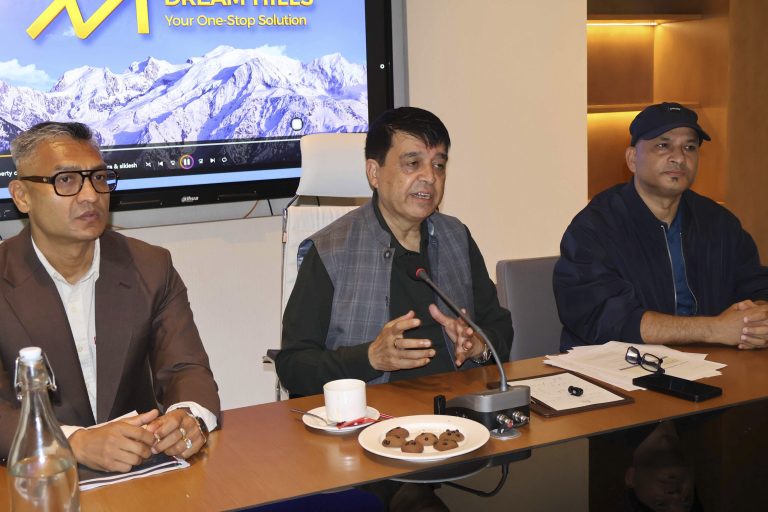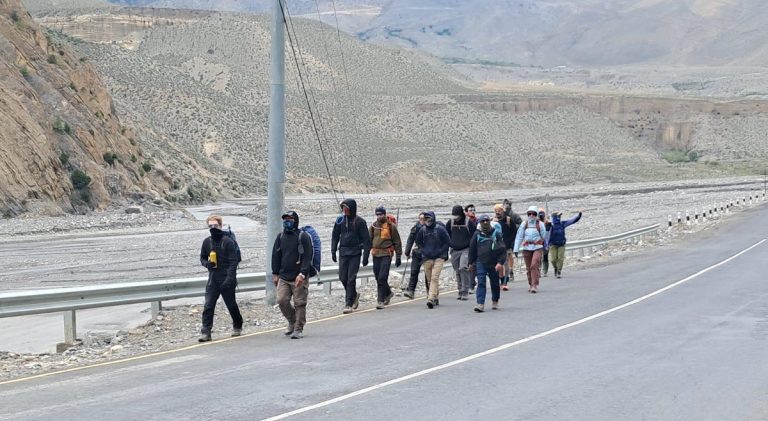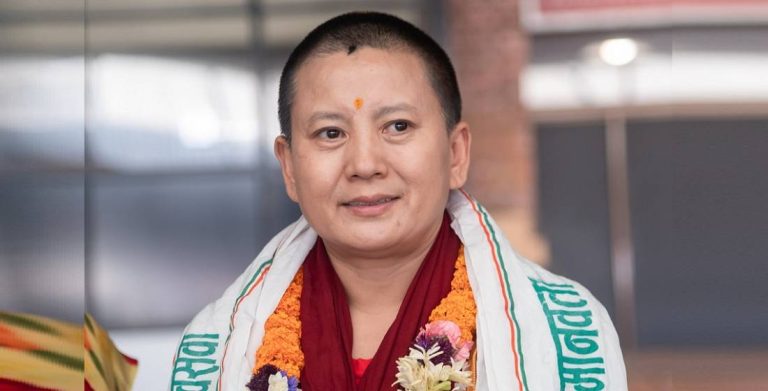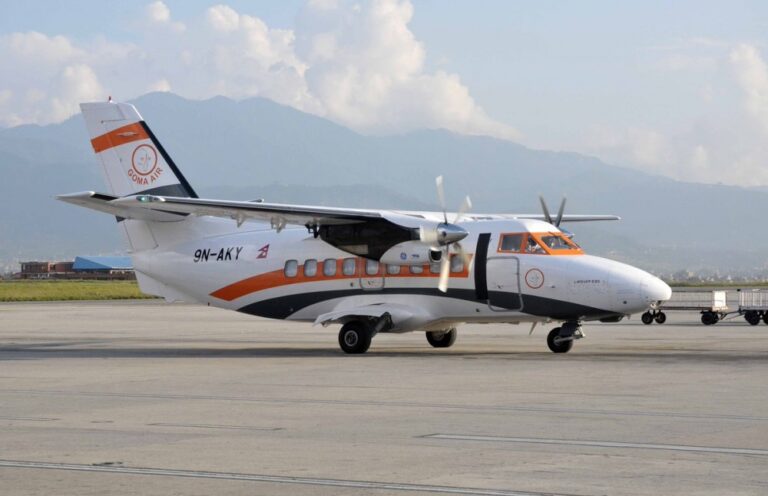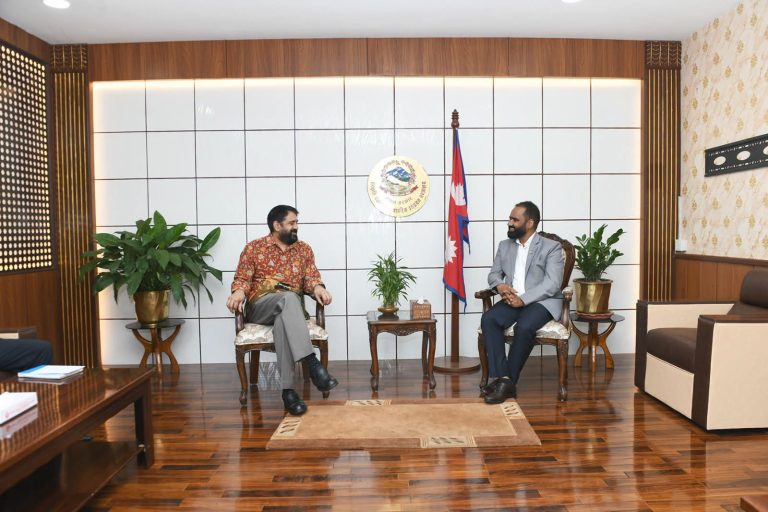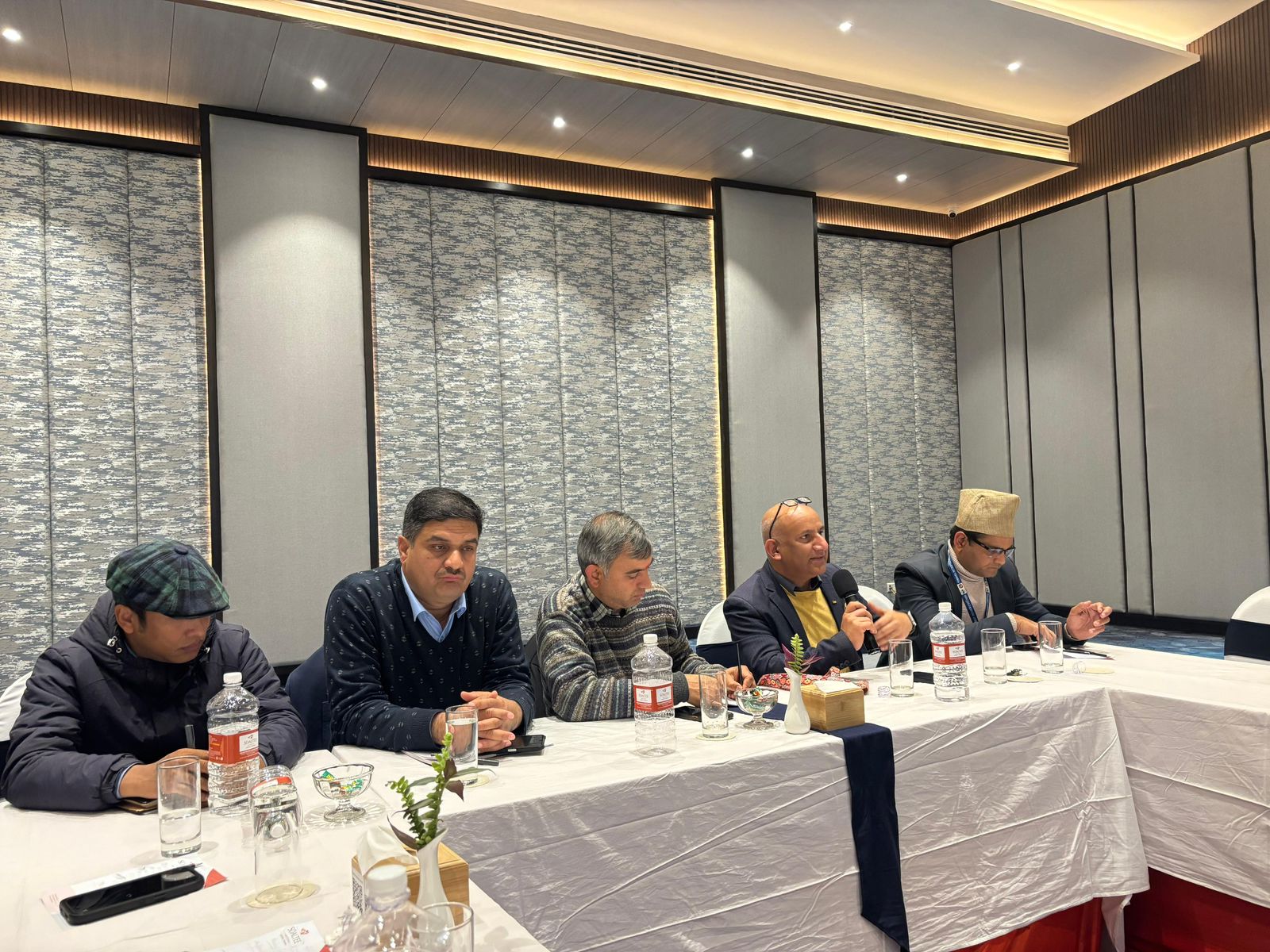
The Nepal Tourism Board (NTB) organized a tourism business interaction program in Pokhara on January 29, bringing together stakeholders from across Gandaki Province to discuss industry developments, challenges, and future priorities. The event aimed to strengthen collaboration between the Board and local tourism businesses while exploring ways to enhance the region’s tourism ecosystem.
Key Attendees from NTB and Gandaki Province
The program was attended by Deepak Raj Joshi, Executive Chief of the Nepal Tourism Board; Rishi Bhandari, Executive Committee Member of NTB; Mani Raj Lamichhane, Chair of the Gandaki Province Tourism Board; and former NTB board members, including Bishwa Palikhe, Tikaram Sapkota, and Basudev Tirpati.

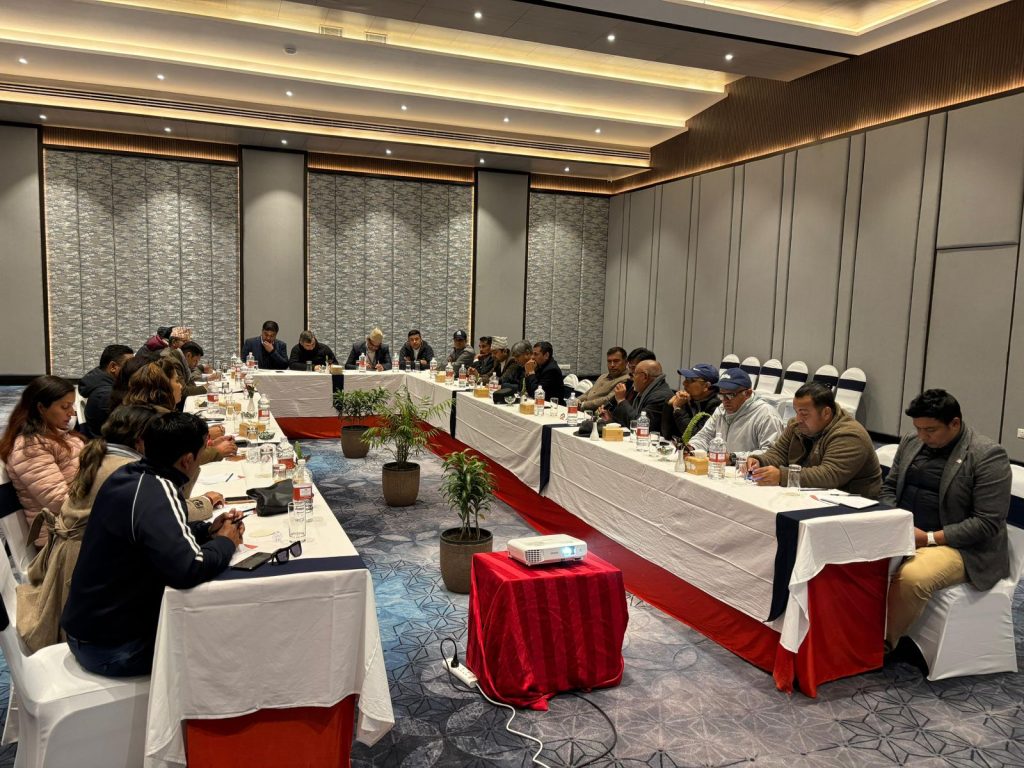
Representatives from 18 organizations participated, covering sectors such as trekking, travel, hotels, restaurants, transportation, garments, paragliding, and women-led tourism businesses. Both registered and unregistered organizations were represented, providing a broad overview of the region’s tourism industry.
Focus on NTB Activities and Remaining Tasks
Discussions during the program focused on the activities undertaken by the Nepal Tourism Board in fiscal year 2025–26, as well as pending programs and industry needs. Stakeholders shared insights into current challenges faced by tourism businesses, ranging from operational hurdles to investment concerns.
The Board considered demands that could be addressed immediately and those requiring long-term attention, aiming to establish a framework for ongoing support and engagement with the tourism sector.
Enhancing Pokhara’s Tourism Potential
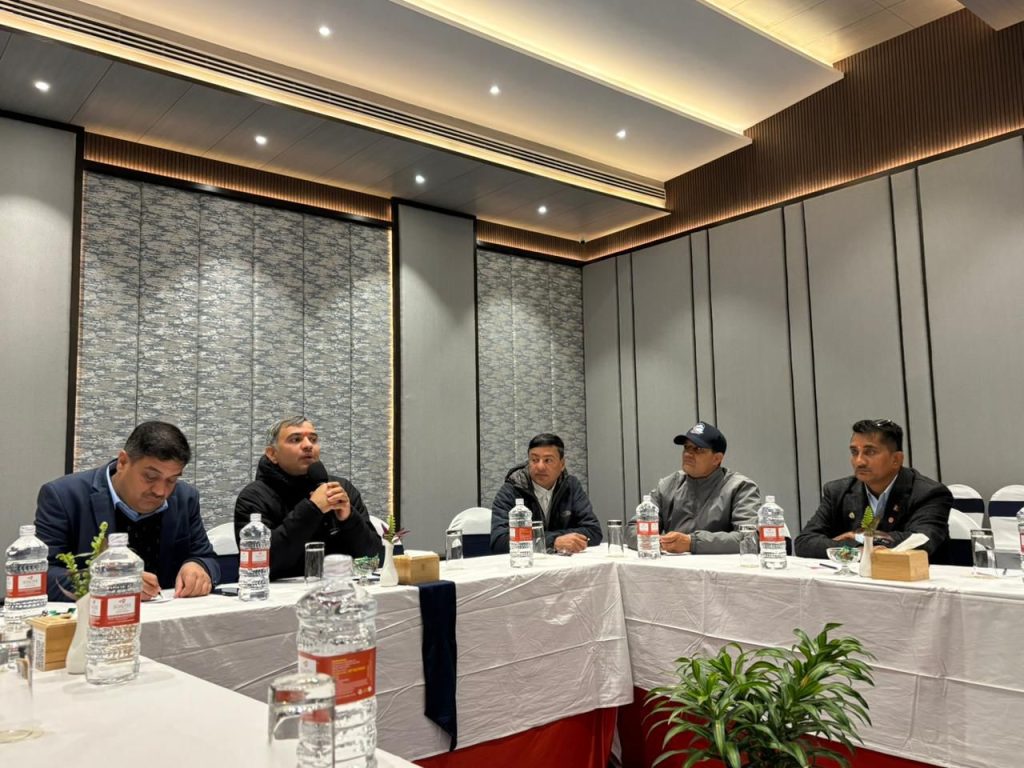
A significant portion of the discussions centered on Pokhara’s tourism infrastructure and investment environment. Stakeholders emphasized the importance of making Pokhara more tourism-friendly while ensuring the security of local business investments.
Participants also discussed the declaration of Pokhara as a capital city, highlighting the need for formal approval from the federal government. They noted that expediting this process could boost tourism, increase investor confidence, and further develop Pokhara as a major hub for both domestic and international travelers.
Dialogue Between Policymakers and Entrepreneurs
The interaction program served as a platform for dialogue between policymakers and business owners, facilitating a better understanding of regional tourism priorities. Stakeholders highlighted the need for NTB to provide more targeted support, particularly in areas such as marketing, infrastructure development, skills training, and sustainability initiatives.
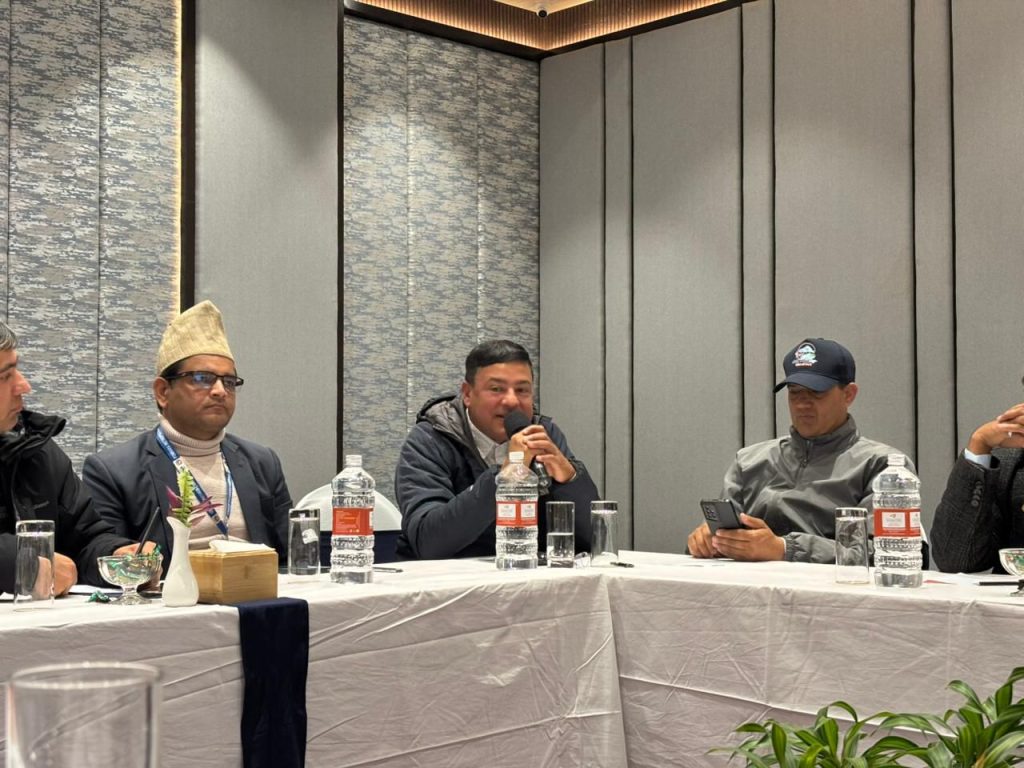
By engaging with a wide spectrum of industry representatives, the NTB aimed to ensure that local tourism businesses have a voice in shaping policies that directly affect their operations and growth prospects.
Appreciation for Collaborative Efforts
Participants expressed sincere gratitude to the Nepal Tourism Board and the Gandaki Province Tourism Board for organizing the program. Special appreciation was extended to Deepak Raj Joshi, Executive Chief of NTB, and the Chairman and team of the Gandaki Province Tourism Board for facilitating discussions and providing a structured platform for industry dialogue.
The program was also seen as a significant step toward strengthening the tourism ecosystem in Gandaki Province by addressing current gaps and identifying opportunities for sustainable growth.

The Nepal Tourism Board emphasized its commitment to supporting local tourism businesses, enhancing Pokhara’s infrastructure, and promoting the region as a prime destination for domestic and international tourists.
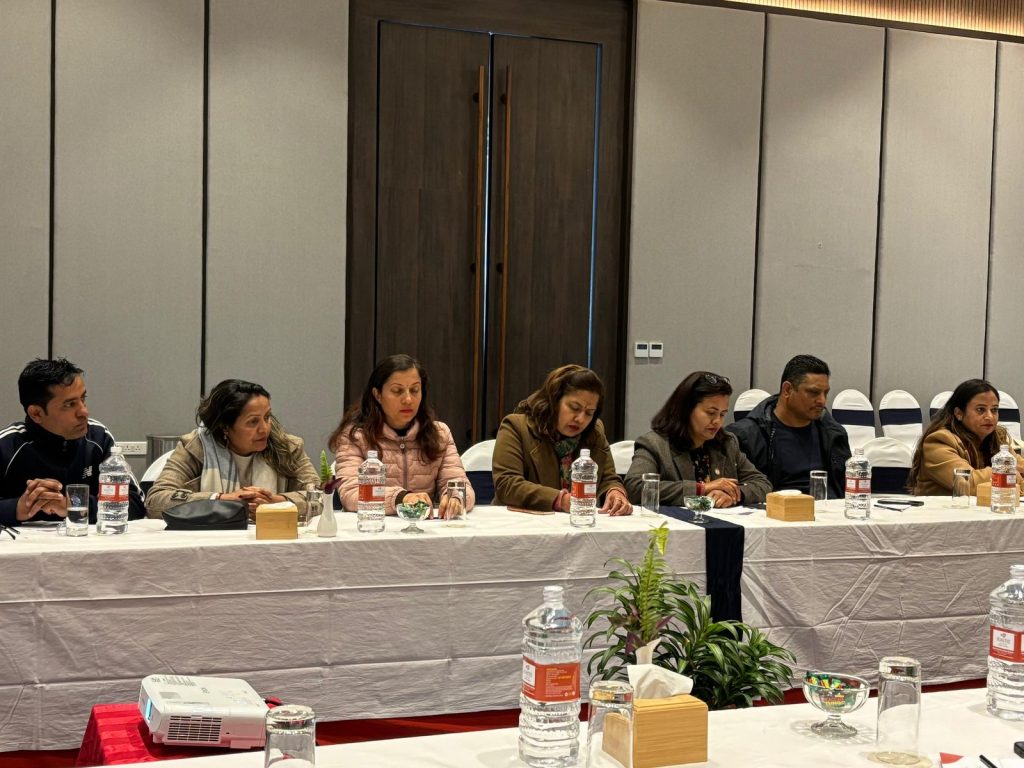
By fostering communication between policymakers and entrepreneurs, the NTB hopes to accelerate tourism development, secure investments, and make Pokhara a model for other provinces in Nepal. The insights gathered from this interaction program are expected to guide NTB’s strategic initiatives in the coming years, ensuring that tourism continues to thrive as a key economic driver in the country.