Despite some concerns among tourism entrepreneurs following the recent Gen-Z protests, the Nepal Tourism Board (NTB) has moved proactively to promote Nepal’s tourism in international source markets. The recent Gen-Z demonstrations in Nepal have left several tourism entrepreneurs somewhat disheartened, raising concerns over short-term impacts on visitor confidence. However, the Nepal Tourism Board (NTB) has intensified its efforts to reassure the global market that Nepal remains a safe, welcoming, and attractive destination. Despite disruptions in the tourism sector during the protests, NTB has strategically launched a series of international promotional activities to project a positive image of Nepal and to restore market confidence.
Participation in Dhaka Asian Tourism Fair
As part of its renewed strategy, NTB participated in the 12th Asian Tourism Fair held in Dhaka, Bangladesh, from October 2 to 4. This marked the first major international promotional event following the demonstrations. Nepal’s presence at the fair was designed to send a clear message to foreign travelers that the country is fully prepared to welcome tourists with safety and hospitality.

Nepal’s pavilion highlighted its wide-ranging attractions, from cultural and spiritual destinations to adventure tourism products. Nepali tour operators showcased travel packages, while also renewing business ties and exploring fresh opportunities with Bangladeshi partners.
CEO Joshi: Limited Impact on the Market
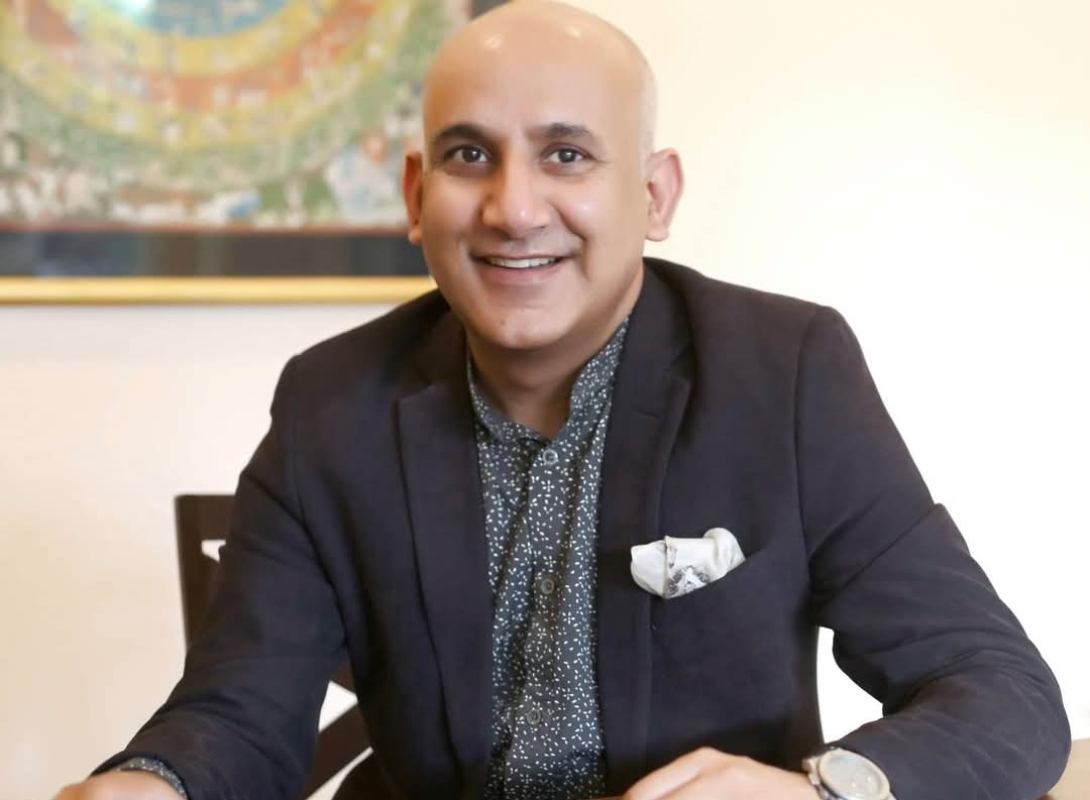
NTB’s Chief Executive Officer (CEO), Deepak Raj Joshi, addressed the concerns about the protests, clarifying that although the demonstrations caused minor disturbances, the long-term impact on the tourism sector has been minimal.
“The tourism market has already returned to normal after the demonstrations. Our priority now is to communicate this positive message to our international source markets. The Dhaka event was a step toward reaffirming Nepal’s readiness to host global travelers,” Joshi said.
Nepal–Bangladesh Tourism Cooperation
Nepal’s ambassador to Bangladesh, Ghanshyam Bhandari, underscored the resilience of Nepal’s tourism industry during the fair’s inauguration. He emphasized that Nepal’s tourism sector is quickly recovering despite challenges and highlighted the growing cooperation between Nepal and Bangladesh in the tourism sector.
According to Ambassador Bhandari, strengthening people-to-people relations and tourism partnerships between the two nations remains a priority. The fair also provided a platform for Nepali companies to identify new opportunities and reintroduce their services and packages to Bangladeshi customers.
Perception Among Bangladeshi Visitors
During the event, Bangladeshi visitors expressed curiosity about the situation in Nepal following the Gen-Z protests. Many compared it to their own country’s past political developments, remarking that such events have not discouraged them from planning visits to Nepal. Their feedback reinforced the message that Nepal’s tourism image in Bangladesh remains intact.
Rising Bangladeshi Tourist Arrivals
Statistics further support this optimism. In 2024, Nepal welcomed nearly 49,000 tourists from Bangladesh. In the first eight months of 2025 alone, Bangladeshi tourist arrivals increased by about 32 percent, reflecting strong demand despite temporary setbacks.
NTB believes that Bangladesh can emerge as one of Nepal’s most important tourism source markets, thanks to geographical proximity, shared cultural affinities, and Bangladesh’s rising economic prosperity. This confidence has motivated NTB to prioritize Bangladesh within its broader regional promotional campaigns.
Broader Promotional Strategies
The Nepal Tourism Board, in coordination with the Ministry of Culture, Tourism, and Civil Aviation, has adopted a proactive approach toward tourism revival. The strategy involves not only domestic initiatives but also aggressive international promotion to highlight Nepal’s safety and readiness for visitors.
“We are reaching out to international source markets with a clear message: Nepal’s tourism destinations are safe and open. We are inviting travelers to experience Nepal’s diversity, from heritage to adventure,” CEO Joshi emphasized.
Use of Digital Platforms for Promotion
NTB has also expanded its promotional efforts through digital storytelling. The board regularly features live experiences of international travelers visiting Nepal on its official website and social media channels. From pilgrimages to sacred sites to thrilling adventure activities, these testimonials provide authentic accounts that help strengthen Nepal’s brand globally.
Videos highlighting spiritual destinations like Pashupatinath and Lumbini, as well as adventure spots such as Everest Base Camp and Pokhara, are being circulated widely to inspire confidence among potential visitors.
Leveraging Diplomatic and Institutional Networks
In addition to fairs and digital outreach, NTB is working closely with Nepal’s diplomatic missions, the Non-Resident Nepali Association (NRNA), and various international organizations to amplify promotional messages. Partnerships with influential tourism bodies such as the Pacific Asia Travel Association (PATA) and the United Nations World Tourism Organization (UNWTO) have further enhanced Nepal’s credibility in global markets.
These collaborations aim to ensure that Nepal’s tourism revival aligns with international best practices while also addressing market-specific concerns.

A Stronger Road Ahead
While the Gen-Z demonstrations momentarily shook the confidence of tourism entrepreneurs, the broader picture remains optimistic. The Nepal Tourism Board has acted swiftly to reassure source markets through targeted campaigns, participation in international events, and digital storytelling.
The Dhaka Asian Tourism Fair served as a strong signal that Nepal is committed to revitalizing its tourism sector and that travelers from Bangladesh and beyond are keen to continue exploring Nepal. With rising arrivals, robust promotional strategies, and growing regional partnerships, Nepal is on track to not only recover but also strengthen its position as a premier tourism destination in South Asia.