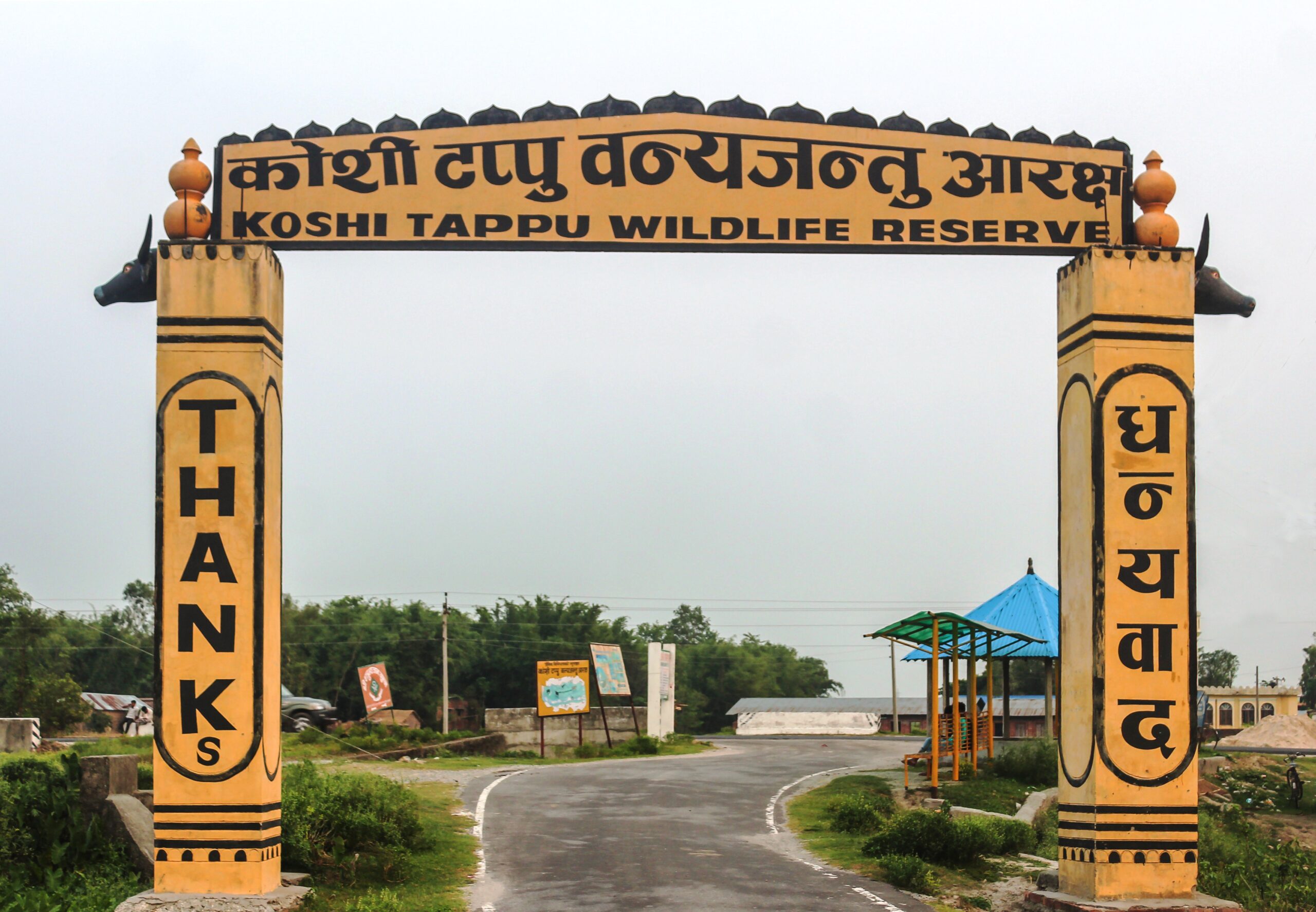
A total of 11,603 tourists visited Koshi Tappu Wildlife Reserve during the fiscal year 2081/82, according to the reserve office.
Chief Conservation Officer and Senior Conservation Officer Bhupendra Prasad Yadav informed that among the visitors, 11,214 were domestic tourists. Likewise, 87 tourists arrived from SAARC countries, including 42 women and 45 men, while 302 foreign tourists from other countries, comprising 151 women and 151 men, also visited the reserve during the review period.

A Unique Haven for Wildlife and Bird Diversity
Located in the island region formed by the mighty Saptakoshi River across Sunsari and Saptari districts, Koshi Tappu Wildlife Reserve remains one of Nepal’s most important biodiversity hotspots. The reserve is especially famous for the endangered wild water buffalo, locally known as Arna, and is recognized as Nepal’s only protected habitat for the species.
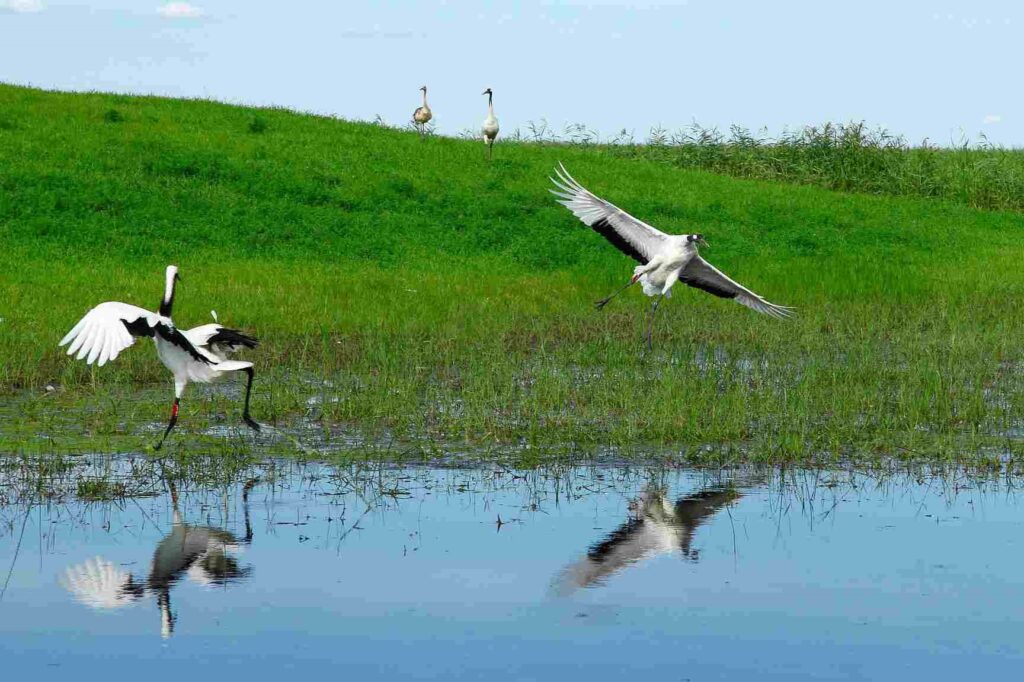
The reserve’s peaceful environment, rich biodiversity, and rare wildlife continue to attract both domestic and international visitors. Apart from wild buffaloes, the reserve is also home to gharials, marsh crocodiles, Gangetic dolphins, and numerous fish species.
‘Capital of Birds’ Draws Nature Lovers and Researchers
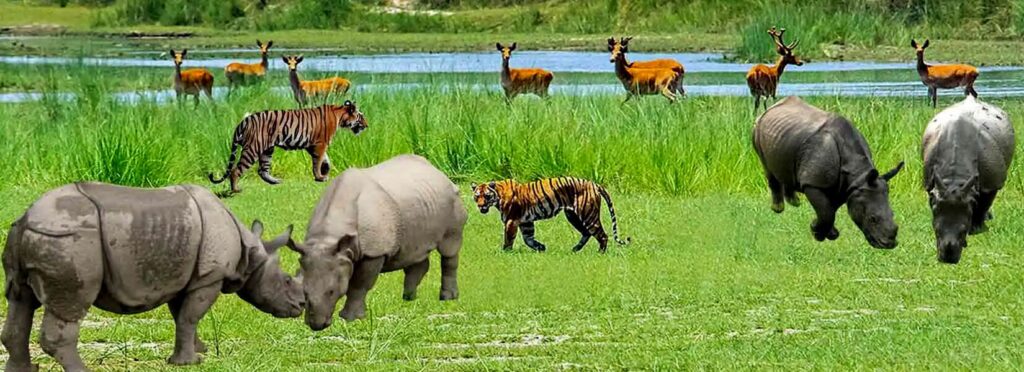
Due to its exceptional bird diversity, Koshi Tappu is widely known as the “Capital of Birds.” The reserve has become a major destination for birdwatching, nature study, and wildlife research for both Nepali and foreign tourists.

The wetland area has been listed under the Ramsar Convention since 1987, recognizing its international ecological importance. Conservation experts also regard the reserve as an important biological corridor connected to eastern India.
Although the number of large carnivorous animals remains relatively low except for leopards, officials say the reserve represents the forests, vegetation, climate, and biodiversity of Nepal’s eastern Terai and Madhes regions.