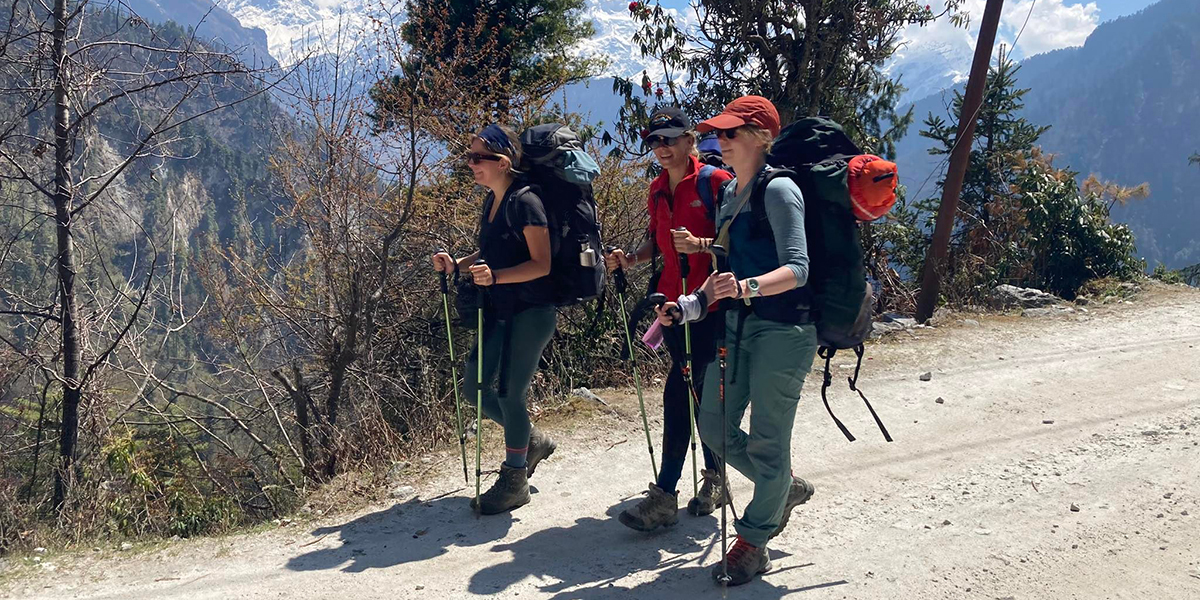
A total of 16,296 tourists visited Manang district in the first four months of the current fiscal year, according to data released by the Annapurna Conservation Area Project (ACAP), Area Conservation Office. The figure highlights Manang’s continued appeal as one of Nepal’s most attractive high-altitude destinations for both adventure seekers and nature lovers.

Visitors from 107 Countries Recorded
ACAP’s Area Conservation Office Chief Dhak Bahadur Bhujel stated that tourists from 107 different countries travelled to Manang during the reporting period. The diverse arrival numbers reflect Manang’s growing popularity on the global tourism map, especially among trekkers on the Annapurna Circuit.
Breakdown of Tourist Arrivals
Of the total tourists who visited Manang:
- SAARC nationals:
- Men: 812
- Women: 177
- Tourists from other countries:
- Men: 9,695
- Women: 6,601
The data shows a significantly higher number of male visitors, a trend commonly observed in long-distance trekking destinations due to the physical demands of high-altitude travel.
Israel, France and Germany Lead Tourist Numbers
Among international visitors, tourists from Israel, France, and Germany topped the list:
- Israel: 1,910 visitors
- France: 1,392 visitors
- Germany: 1,208 visitors
These three countries have historically maintained strong interest in the Annapurna region, with many trekkers drawn to Manang’s rugged landscapes, cultural heritage, and acclimatization stops on the path to Thorong La Pass.

Growing Popularity of Manang
Tourism authorities believe that the steady inflow of visitors indicates rising confidence in Nepal’s trekking routes and improved infrastructure in Manang. With its unique blend of Himalayan scenery, Tibetan-influenced culture, and adventure tourism opportunities, Manang continues to attract thousands of international trekkers each year. Local stakeholders hope that the positive trend will further support the region’s tourism-driven economy and encourage sustainable conservation efforts within the Annapurna Conservation Area.