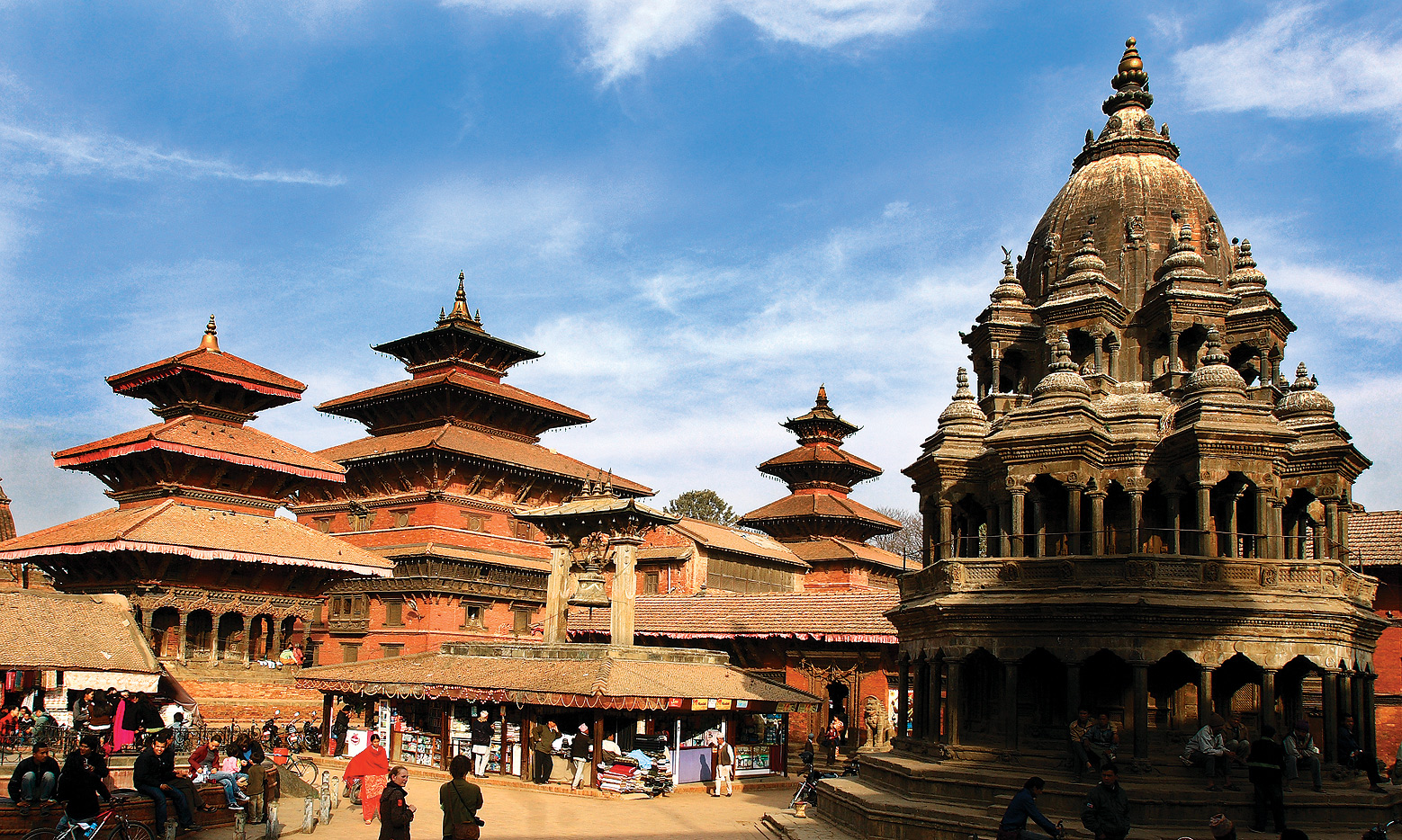
Nestled in the heart of Lalitpur, Patan Durbar Square stands as a testament to Nepal’s rich cultural heritage and architectural brilliance. This historical landmark is not only a significant site for understanding the Newar civilization but also a magnet for tourists from around the world. The square is a bustling center where history, culture, and artistry converge, making it a must-visit destination for anyone exploring the Kathmandu Valley.
Patan Durbar Square, also known as Lalitpur Durbar Square, is one of the three Durbar Squares in the Kathmandu Valley, all of which are UNESCO World Heritage Sites. The square dates back to ancient times, with significant contributions from the Malla Kings, who ruled the valley from the 12th to the 18th centuries. The Malla period is renowned for its architectural and cultural advancements, many of which are epitomized in the structures of Patan Durbar Square.
Architectural Marvels
The square is home to numerous temples, palaces, and courtyards, each with its own unique history and architectural style.
Krishna Mandir
One of the most striking structures in Patan Durbar Square is the Krishna Mandir. Built in the 17th century by King Siddhi Narsingh Malla, this temple is a masterpiece of Shikhara-style architecture. The temple, constructed entirely of stone, features intricate carvings depicting scenes from the Mahabharata and Ramayana. The Krishna Mandir is not only a place of worship but also a symbol of artistic excellence, attracting both pilgrims and art enthusiasts.
Hiranya Varna Mahavihar
Commonly known as the Golden Temple, Hiranya Varna Mahavihar is a stunning example of a Newar Buddhist monastery. The temple’s golden façade, detailed wood carvings, and exquisite metalwork are a testament to the craftsmanship of the Newar artisans. Inside, visitors can explore various statues, stupas, and artifacts that reflect the deep-rooted Buddhist traditions of the region.
Taleju Bhawani Temple
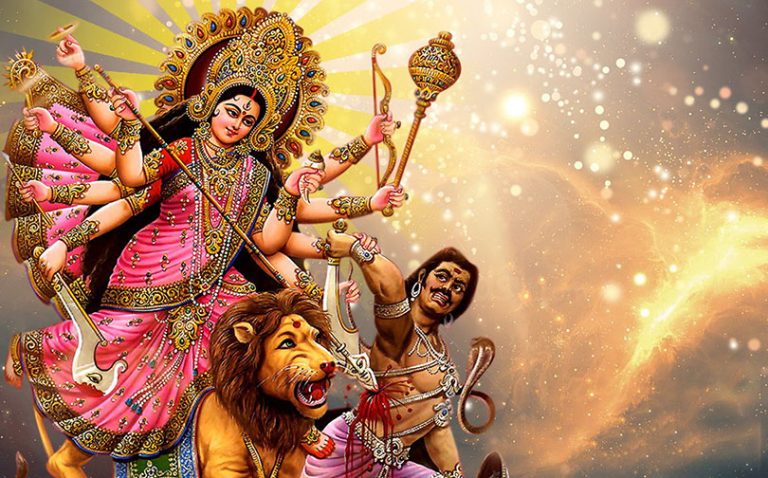
Dedicated to the royal goddess Taleju Bhawani, this temple is another significant structure in the square. Built by the Malla kings, the temple showcases the classic pagoda style of architecture, characterized by its tiered roofs and ornate wood carvings. The Taleju Bhawani Temple is particularly revered during the Dashain festival when it becomes a focal point for religious activities.
Patan Museum
The Patan Museum, located within the palace complex, is a treasure trove of traditional Nepalese art and artifacts. The museum offers a glimpse into the rich cultural heritage of the Kathmandu Valley, with exhibits ranging from ancient sculptures to traditional crafts. The museum’s well-curated collections and informative displays make it an educational experience for visitors.
Patan Durbar Square is more than just a historical site; it is a vibrant cultural hub that plays a crucial role in promoting tourism in Nepal. The square’s unique blend of Hindu and Buddhist architecture, along with its rich history, attracts tourists, scholars, and cultural enthusiasts from all corners of the globe.
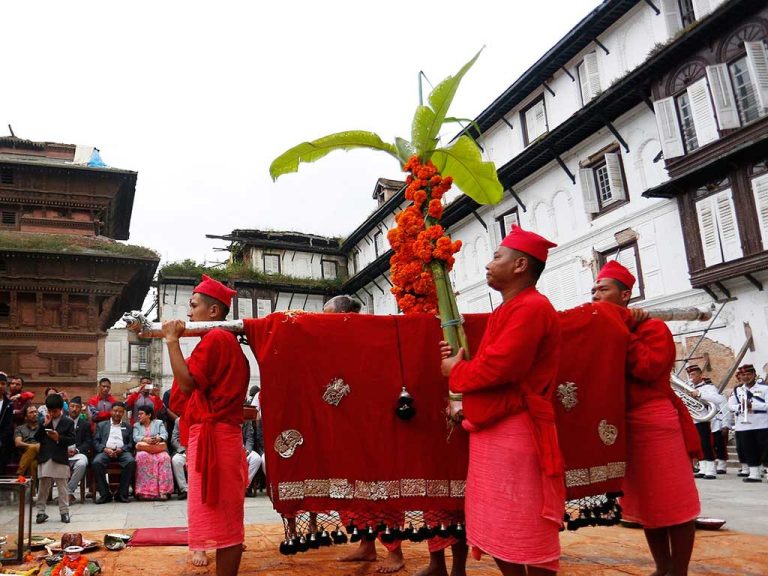
The square is a focal point for various cultural festivals and events throughout the year. Festivals like Indra Jatra, Rato Machindranath Jatra, and the Krishna Janmashtami celebration bring the square to life with traditional music, dance, and rituals. These festivals offer tourists a chance to immerse themselves in the local culture and witness centuries-old traditions in action.
Patan is renowned for its metalwork, particularly the creation of statues and religious artifacts. Visitors can explore numerous shops and workshops around the square where skilled artisans practice their craft. Purchasing these unique handicrafts not only supports local artisans but also provides tourists with authentic souvenirs to take home.
Patan Durbar Square stands as a living museum, preserving the grandeur of Nepal’s architectural and cultural heritage. Its historical significance, coupled with its vibrant cultural scene, makes it an indispensable destination for tourists visiting Nepal. As visitors walk through the square, they are not only witnessing history but also participating in the ongoing story of Patan, where the past and present seamlessly blend to create a rich tapestry of experiences.
By connecting with the rich heritage and vibrant culture of Patan Durbar Square, tourists gain a deeper understanding of Nepal’s history and traditions, making their visit to this ancient square an unforgettable journey through time.