
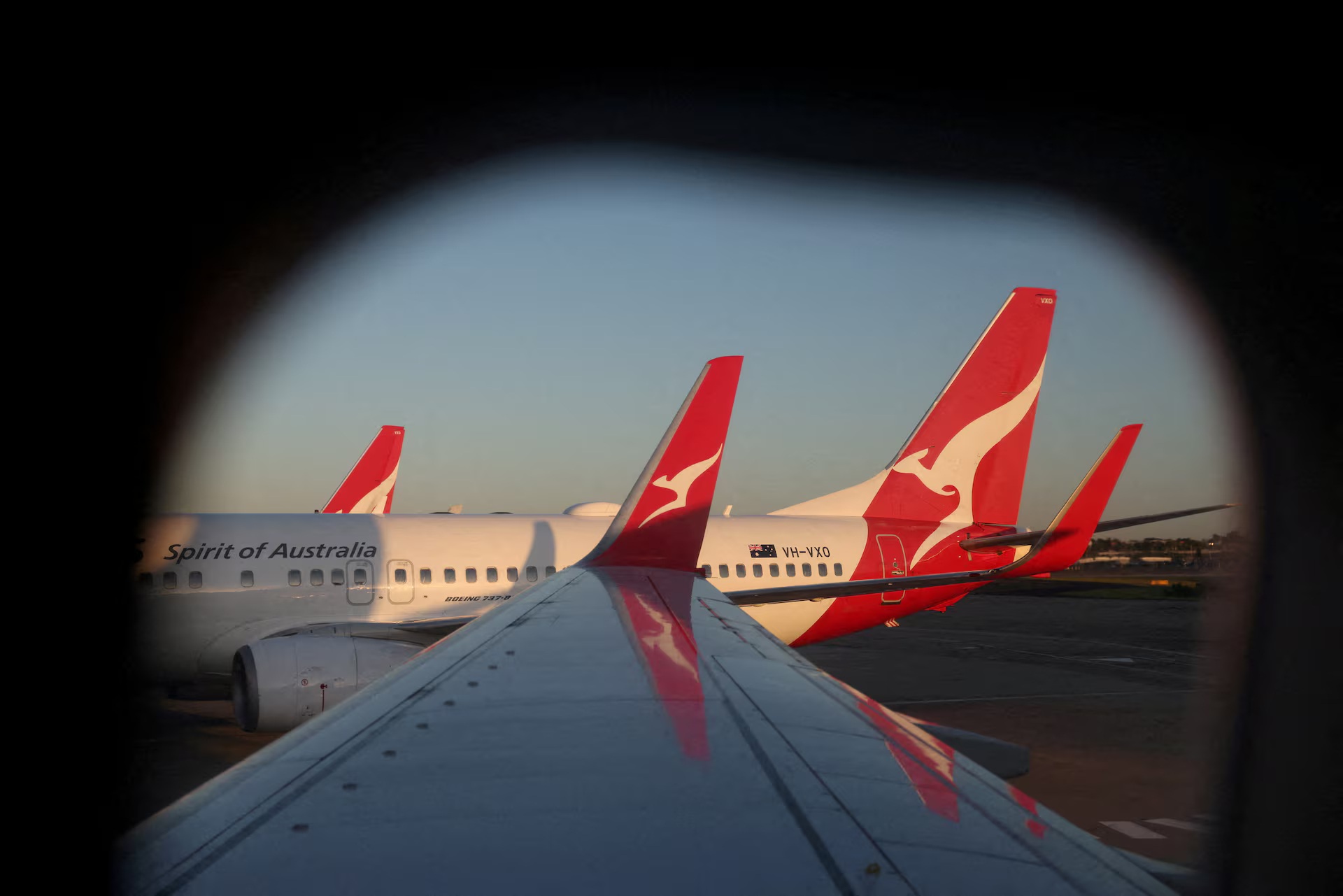
Australian airline Qantas is preparing to adjust ticket prices and reduce flight capacity as rising fuel costs put additional pressure on its operations. The Qantas Group, which operates Qantas and its low cost subsidiary Jetstar, expects fuel prices to remain elevated throughout the 2027 financial year. The airline has revised its fuel expenditure forecast upward and plans to reduce domestic flight capacity more significantly than previously anticipated. These adjustments highlight the continuing impact of fuel price fluctuations on airline operations and passenger travel costs.
Qantas Raises Fuel Cost Forecast to A$3.75 Billion
The Qantas Group now expects its combined fuel expenditure for Qantas and Jetstar during the first half of financial year 2027 to reach approximately A$3.75 billion (US$2.6 billion). This represents an increase from the earlier forecast of A$3.6 billion announced in August. The revised projection reflects the airline group’s assessment of higher fuel prices and their expected impact on operating expenses. Fuel remains one of the major costs for airlines, directly influencing their financial performance and pricing decisions.
The airline said forward market projections indicate that fuel prices are likely to remain high throughout FY2027. In response, the group has been reviewing its operational and commercial strategies to manage the additional financial pressure. The revised forecast demonstrates the challenges airlines face when energy costs remain elevated for an extended period. Managing these expenses will remain an important consideration for Qantas and Jetstar as they plan their services and budgets.
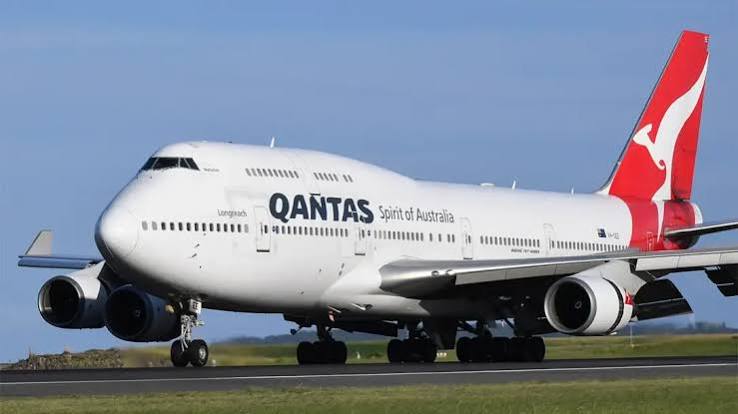
Domestic Flight Capacity to Decline by 4%
Qantas Group plans to reduce its combined domestic flight capacity across Qantas and Jetstar by 4% in the third quarter of FY2027, compared with the corresponding period a year earlier. The planned reduction is twice the 2% cut previously projected in August. This adjustment indicates a more cautious approach to domestic flight operations as the airline responds to rising fuel expenses. Reduced capacity could also affect the number of available seats on some domestic routes.
The capacity adjustment forms part of the group’s broader response to changing operating conditions. Airlines often review flight schedules, route capacity and aircraft utilisation when operating expenses increase significantly. For passengers, reduced capacity may mean fewer available seats on affected services, particularly during periods of strong travel demand. However, the announcement does not identify specific routes or provide details about individual flight cancellations.
Fare Adjustments Planned Amid Persistent Fuel Pressure
Qantas has confirmed that it will continue adjusting airfares in response to higher fuel costs. The airline said its pricing and capacity decisions are intended to address the expected pressure from elevated fuel prices throughout the financial year. Changes in airline operating costs can influence ticket prices, making fuel expenditure an important factor in determining travel affordability. The adjustments may therefore have implications for passengers planning domestic and international journeys with the group.
To limit its exposure to fuel-price fluctuations, Qantas Group has already hedged approximately 85% of its fuel requirements for FY2027, predominantly against Brent crude oil prices. Fuel hedging allows airlines to manage some of the uncertainty associated with changing energy markets, although it does not eliminate all cost pressures. The group’s decision to secure most of its expected fuel requirements reflects its efforts to maintain greater financial predictability while managing operational expenses.
Airline Maintains Revenue Growth Expectations
Despite the higher fuel-cost forecast and planned capacity reductions, Qantas Group has maintained its revenue growth outlook. The airline expects total unit revenue across both its domestic and international businesses to increase by 8% to 10% during the first half of FY2027, compared with the same period a year earlier. This projection remains unchanged from the guidance provided in August. The outlook indicates that the group continues to expect revenue growth despite the challenging operating environment.
The developments highlight how rising fuel expenses can influence airline pricing, flight schedules and capacity planning. For the wider aviation and tourism industries, changes in these areas can affect travel costs, seat availability and passenger decisions. Qantas’s response also illustrates the importance of cost management and operational flexibility in maintaining airline performance. As fuel prices remain a major concern for the industry, airlines will continue balancing operating expenses with the need to provide accessible and reliable travel services.