In Morocco, hospitality has long been an integral part of everyday life. It is reflected in the way guests are welcomed, meals are shared, mint tea is served and small gestures are made to ensure visitors feel at home. Nowhere is this spirit more visible than in Marrakech, a city that has welcomed travellers from around the world for generations.
Behind the ancient Medina walls, traditional riads and lively streets lies a distinctive culture of connection and hospitality. Visitors are drawn to Marrakech for its architecture, cuisine, history and vibrant atmosphere, but many leave with their strongest memories shaped by the people they meet and the warmth they experience.
Today, Marrakech has evolved beyond being simply a popular tourism destination. It has become a meeting point for cultures, lifestyles and generations, attracting first-time visitors alongside entrepreneurs, digital nomads and international residents seeking longer stays.
As traveller expectations change, the hospitality industry is changing with them. Guests are increasingly looking beyond comfortable rooms, seeking properties with character, authentic experiences and meaningful connections with their destinations. It is within this evolving landscape that Locanda International has developed its hospitality vision.
Building a Distinctive Moroccan Hospitality Portfolio
Founded in Marrakech, Locanda International is a Moroccan hospitality management and development group overseeing a portfolio of more than 14 properties, each designed around a distinctive hospitality experience. Rather than applying a uniform formula across its portfolio, the company focuses on understanding the individual character of each property and developing concepts that reflect its location, identity and target audience.
Its approach combines international hotel-management experience with an appreciation of the elements that make Moroccan hospitality distinctive. The objective is to create properties that offer more than accommodation, while maintaining a strong connection with their surroundings and the culture of the destination.
An International Background with Deep Moroccan Roots
The development of Locanda International is closely linked to the professional experience of its founder, Yassir Demnati, and co-founder Nina Yaina. With approximately two decades of international hospitality experience, Demnati has worked across major hospitality markets including Dubai, Abu Dhabi, Qatar and New York. His professional career includes experience with internationally recognised hotel groups such as Four Seasons, Hyatt, Kempinski and Shangri-La.
Returning to Morocco with this international perspective provided an opportunity to approach the country’s hospitality sector from a different angle. Morocco already has a wide range of distinctive properties, traditional guesthouses and independent accommodation businesses. However, many property owners require a combination of professional management, commer ial strategy and a strong brand identity to develop their businesses and compete in an increasingly sophisticated market. This is one of the areas where Locanda International aims to contribute.
Different Concepts for Different Travellers
One of the defining aspects of Locanda International’s strategy is its decision to develop multiple hospitality concepts rather than build its portfolio around a single accommodation model. Modern travellers do not necessarily seek the same experience on every trip. Some prefer the privacy and intimacy of a boutique riad, while others look for affordable accommodation, social environments or comfortable spaces suitable for longer stays.
These changing preferences have influenced the development of two complementary collections: Locanda Boutique Collection and Locanda Collective. The Boutique Collection focuses on intimate hospitality experiences where architecture, atmosphere and personalised service are central to the guest experience.
Locanda Collective, meanwhile, explores a more contemporary social-living model, combining accommodation with shared spaces and opportunities for interaction. Although the two concepts serve different audiences, they share a common philosophy: creating properties with a clear identity that offer guests more than simply a place to stay.
Locanda Boutique Collection: Preserving the Charm of Intimate Hospitality
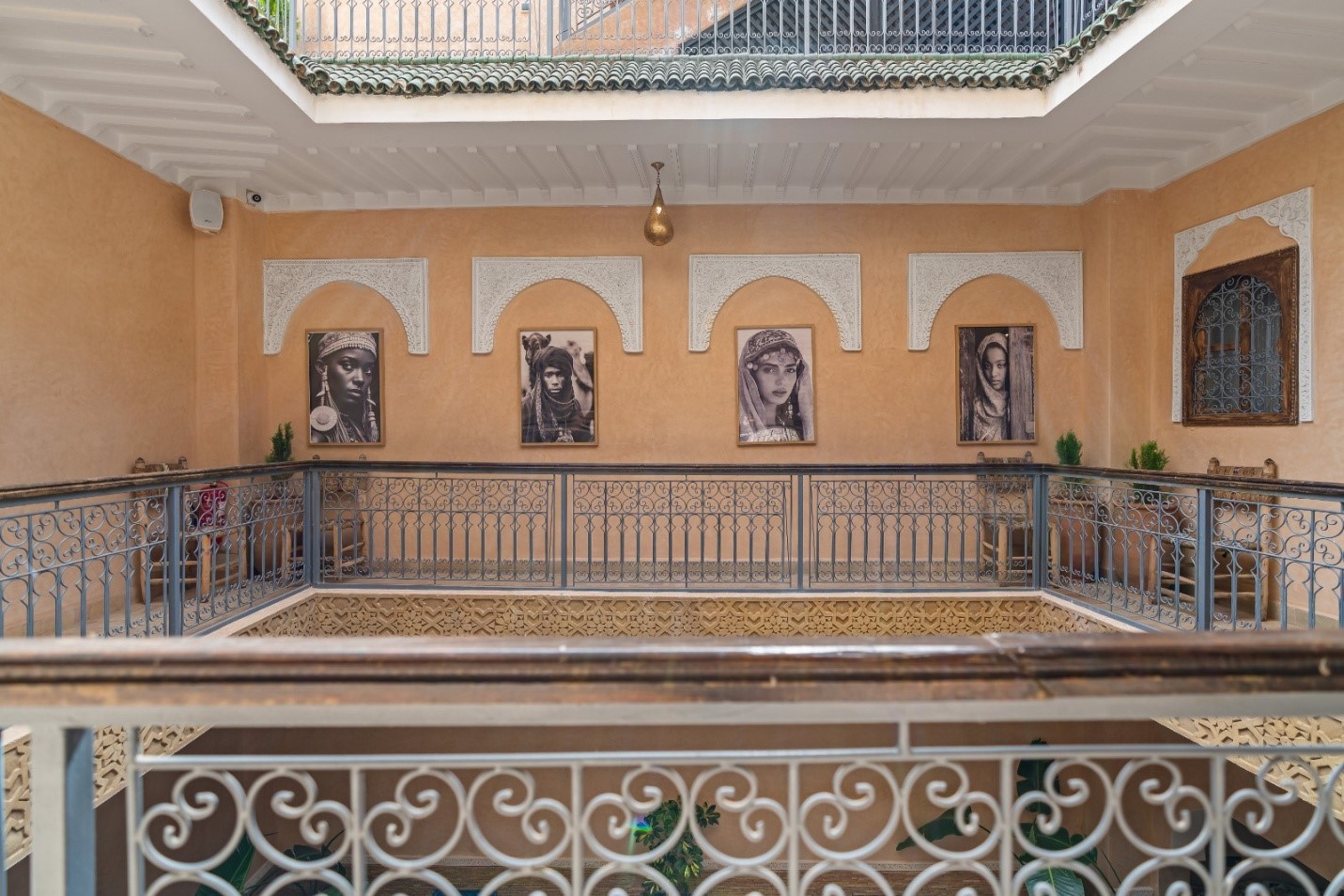
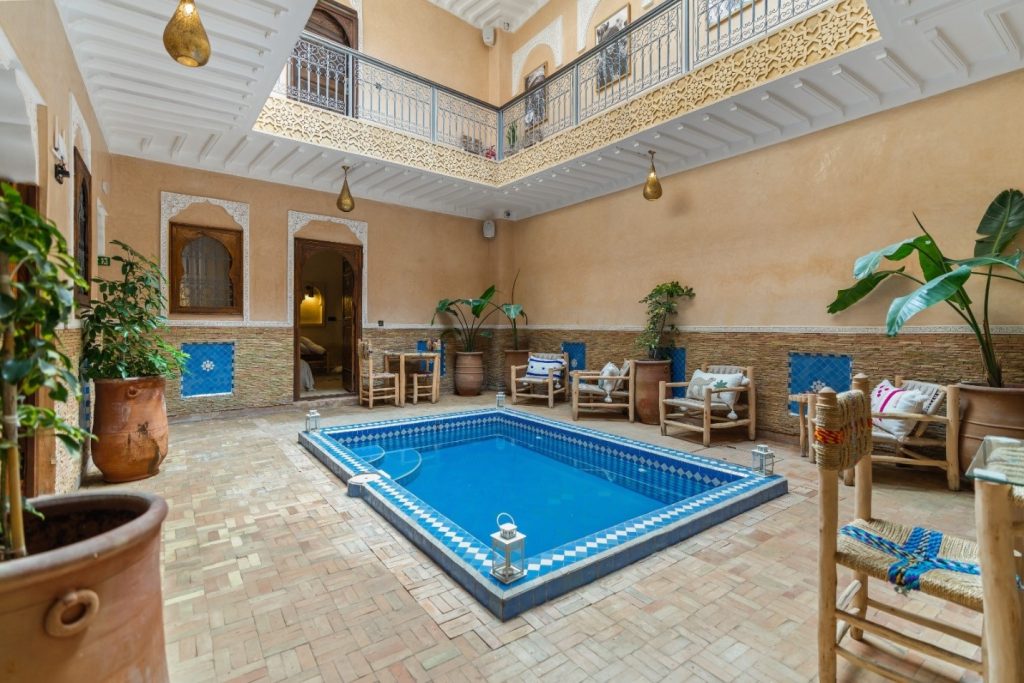
The traditional riad remains one of the most recognisable expressions of Moroccan hospitality, particularly in Marrakech. Typically built around interior courtyards and featuring elements such as zellige tilework, carved wood, traditional plasterwork and greenery, riads provide an intimate experience that differs significantly from conventional hotels. Dar Hilana, part of the Locanda Boutique Collection, reflects this approach.
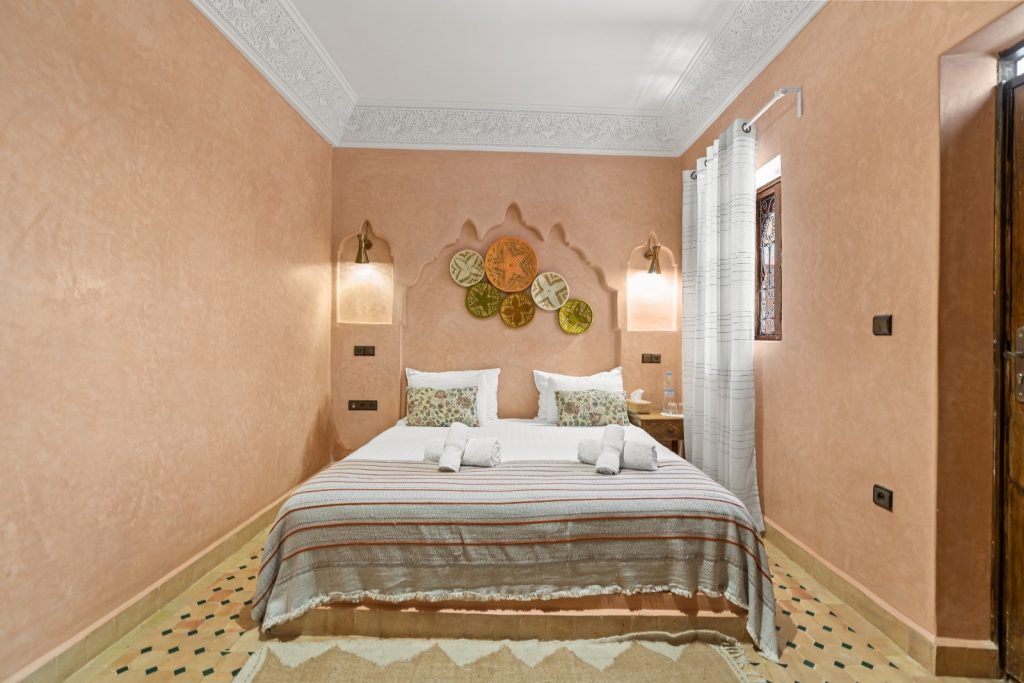
Located in the heart of the Marrakech Medina, the six-room boutique riad and spa offers an intimate setting inspired by traditional Moroccan architecture and the warmth of local hospitality. For Locanda International, properties such as Dar Hilana demonstrate that traditional Moroccan architecture can remain relevant to contemporary travellers without losing the character that makes it distinctive. The challenge lies in preserving the soul of historic properties while ensuring that the services and facilities meet the expectations of today’s travellers.
Locanda Collective: Catering to a New Generation of Travellers
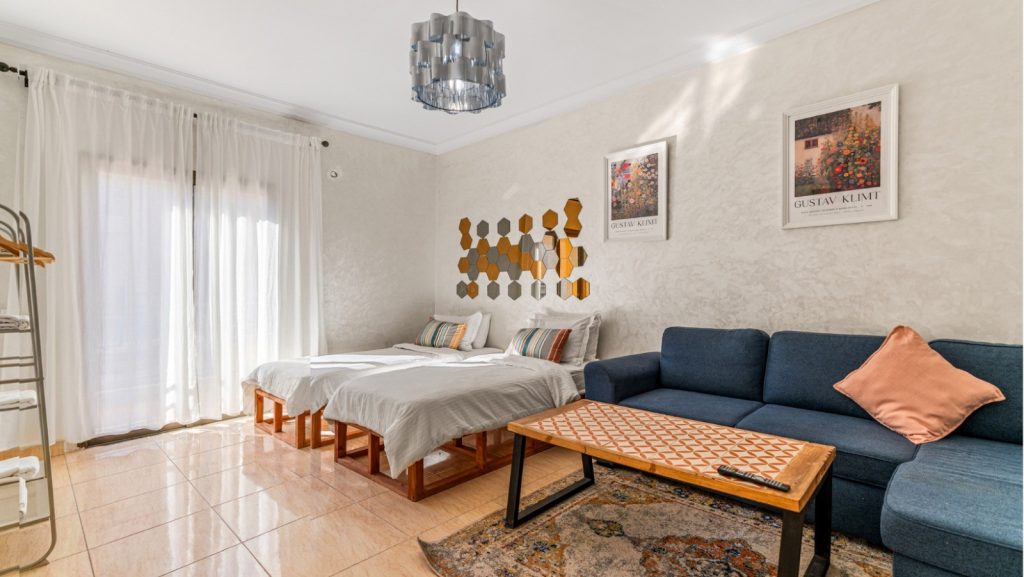
Travel patterns have changed significantly in recent years. Remote work, longer stays and a growing desire for social interaction have created demand for accommodation that combines travel, work and community. Through Locanda Collective, the company is exploring this emerging model with properties designed around comfort, accessibility and social connection.
Dana Social Living in Marrakech is one example, combining private accommodation with a more social environment where travellers can stay comfortably while interacting with other guests. Massira Social Living represents another dimension of the concept. Designed for travellers, students, remote workers and longer-stay guests, the property responds to demand for practical and comfortable accommodation that goes beyond the traditional hotel room.
Meanwhile, Sarah Social Living, a hostel, offers guests a welcoming and comfortable base in the heart of Marrakech. Together, these properties reflect the changing nature of hospitality, where the boundaries between tourism, social accommodation and longer-term living are becoming increasingly fluid.
The Business Behind the Guest Experience
While guests primarily experience the visible side of hospitality, a successful property depends on extensive work taking place behind the scenes. Operating a hotel, riad or social-living property involves far more than welcoming guests and preparing rooms. It requires effective coordination across operations, reservations, marketing, distribution, financial management, revenue strategy and human resources.
Professional management is therefore becoming increasingly important as competition grows and travellers gain access to a wider range of accommodation options. For independent property owners, the right management structure can help transform a distinctive property into a sustainable hospitality business while maintaining its individual character.
Preserving the Character of Moroccan Hospitality
As international tourism continues to expand, one of the central challenges facing Morocco’s hospitality sector is finding the right balance between modernisation and authenticity. Travellers increasingly expect contemporary comfort, efficient services and international standards. At the same time, many are attracted to Morocco precisely because of its cultural identity, traditional architecture, cuisine and distinctive way of life.
The challenge is therefore not simply to modernise hospitality, but to do so without removing the elements that make Moroccan properties unique. For hospitality operators, this means finding ways to introduce modern management and guest services while preserving local architecture, culture and a sense of place.
Marrakech Offers New Opportunities for Hospitality Growth
Morocco’s tourism sector continues to attract international travellers and investors, with Marrakech remaining one of the country’s most recognisable destinations. The city brings together cultural tourism, leisure, business travel and an increasingly diverse international community. This creates opportunities for a broad range of hospitality concepts, from luxury boutique hotels and traditional riads to social accommodation and longer-stay properties.
However, growth also brings challenges. Competition is intensifying, travellers have more choices and expectations around service, experience and value continue to rise. For companies such as Locanda International, this changing environment creates an opportunity to contribute to a more structured and professional hospitality sector while maintaining a strong understanding of the Moroccan market.
Looking Towards the Next Chapter
Locanda International aims to continue developing its portfolio, working with property owners and investors while exploring new opportunities within Morocco’s evolving hospitality market. Rather than measuring success solely by the number of properties under management, the company is focused on developing hospitality concepts with a clear purpose, distinctive identity and potential to create long-term value.
The future of Moroccan hospitality may therefore depend on its ability to combine two seemingly different ideas: respecting the traditions that have defined Moroccan hospitality for generations while embracing the changing expectations of the modern traveller. As Marrakech continues to welcome new generations of visitors, the challenge, and opportunity, will be to ensure that the city’s hospitality evolves without losing the warmth, authenticity and sense of place that made it famous in the first place.
The author is the Moroccan journalist.