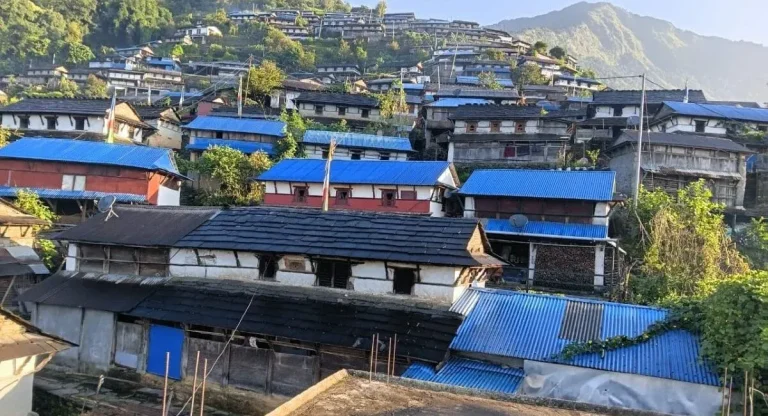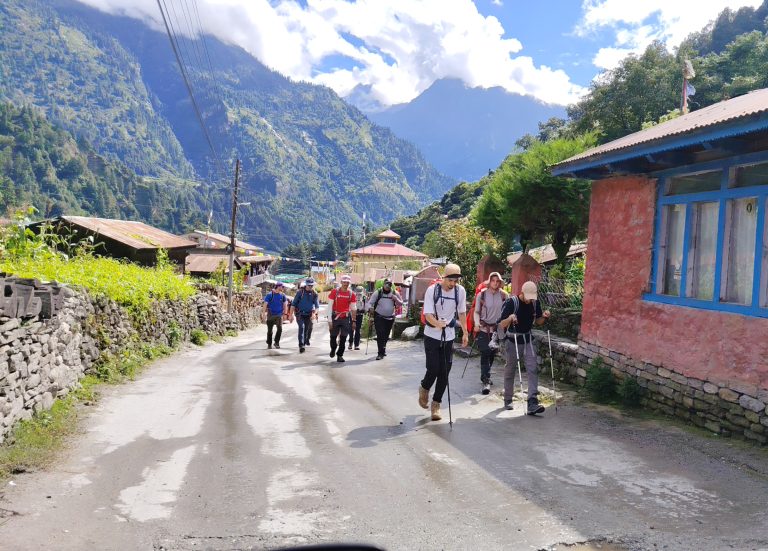
Nestled in the hills of Bandipur Rural Municipality, the scenic village of Ramkot is gradually emerging as one of Gandaki Province’s promising rural tourism destinations. Located in Ward No. 3 of the rural municipality, about seven kilometres west of Bandipur Bazaar and 13 kilometres from the district headquarters Damauli, the village offers visitors a rare opportunity to experience authentic Magar culture, traditional lifestyles, and peaceful rural surroundings.
Situated at an altitude of around 1,100 metres above sea level, Ramkot resembles a living museum of Magar heritage. The village is characterised by old stone-roofed houses, neatly maintained courtyards, narrow village lanes, and traditional communal spaces that reflect the simplicity and originality of rural Nepali life. The cleanliness and preservation efforts carried out by residents have further enhanced the beauty of the settlement, making it increasingly attractive to both domestic and international tourists seeking an authentic village experience away from crowded urban centres.

Homestay Tourism Transforming Local Livelihoods
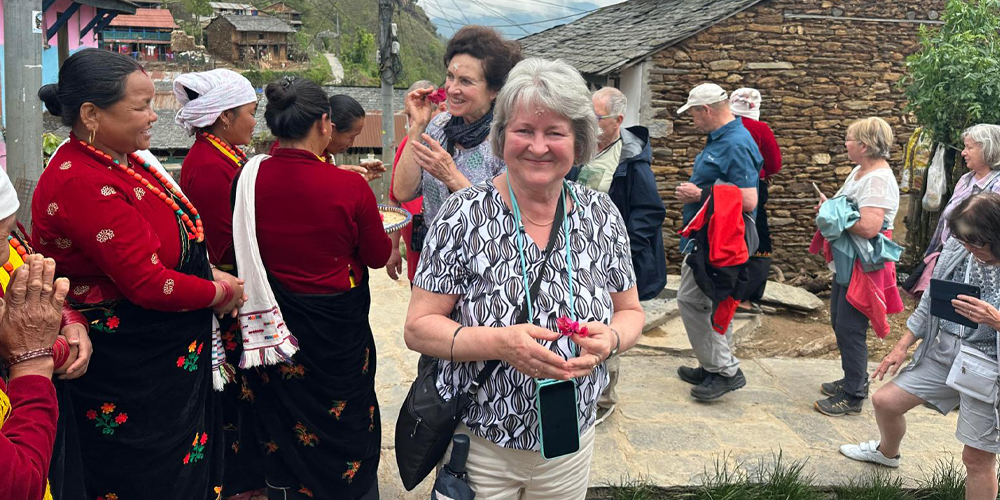
Ramkot has become widely known for its community-based homestay programme, which has significantly changed the economic and social landscape of the village. Out of the village’s 95 households, 45 families are currently operating homestays collectively. According to Ramkot Community Homestay Chairman Nirakaji Ale, the initiative began in 2076 BS with only 14 households participating. Over the years, growing tourist interest and positive visitor experiences have encouraged more families to join the programme.
“The warm hospitality offered by residents has become one of the major attractions of this place,” Ale said. “Tourists who come here appreciate the close connection with local culture and the peaceful rural environment.” The homestay programme was introduced not only to preserve Magar culture but also to create sustainable income opportunities for local communities. Residents say the initiative has helped reduce dependence on traditional agriculture while generating employment within the village itself.
A Blend of Nature, Culture, and Hospitality
Visitors arriving in Ramkot are welcomed by panoramic hill views, tranquil surroundings, and cultural performances that showcase the richness of Magar traditions. Tourists are entertained with traditional Magar dances such as Jhyauure, Kaura, and Chudka, performed by local community members in traditional attire. These performances have become one of the key highlights for visitors seeking immersive cultural experiences.
Homestay operator Manmaya Thapa said tourists often praise not only the natural beauty and cultural authenticity of the village but also the warm hospitality provided by local families. “Visitors leave with wonderful memories after experiencing our culture, traditions, and hospitality,” she said. “We serve locally grown vegetables, traditional rice, indigenous food items, as well as goat and chicken meat prepared in local style according to seasonal availability.” The opportunity to taste authentic local cuisine has further strengthened Ramkot’s appeal among travellers interested in rural lifestyles and organic food experiences.
Growing Tourism Bringing Social Change
Residents say the homestay initiative has brought visible changes to their lifestyle and economic condition. Another homestay operator, Bihisara Ale, explained that tourism has increased awareness among villagers and encouraged community participation in development activities.
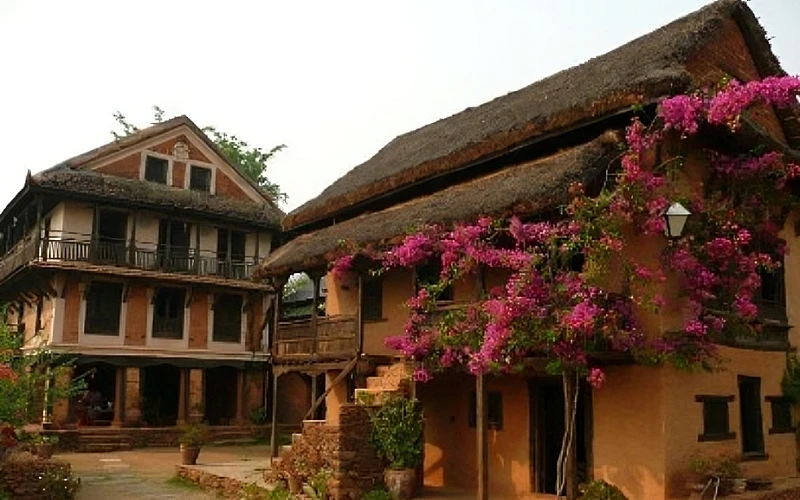
“Homestay tourism has improved income opportunities and created self-employment within the village,” she said. “People are becoming more active and aware about tourism development.” However, locals believe sustained support from government agencies and tourism authorities remains essential for long-term success. Community members have called for additional infrastructure development, training, and promotional activities to further strengthen the village tourism model.
According to local authorities, Bandipur Rural Municipality has allocated Rs 800,000 this fiscal year to pave stone courtyards in several homestay houses where tourism activities initially began. Construction work is expected to begin soon.
Village Safari Increasing Tourist Arrivals
Tourism entrepreneurs say the number of visitors travelling to Ramkot has increased significantly in recent years, especially after the introduction of village safari experiences in and around Bandipur. Village Safari operator Basanta Poudel said tourists are transported using vehicles similar to jungle safari jeeps to nearby rural settlements, including Ramkot and surrounding villages. “Tourists are increasingly interested in observing authentic rural lifestyles,” he said. “We take them to villages according to their interests so they can experience the traditional environment closely.”
The village safari initiative has helped diversify tourism products in Bandipur beyond its traditional Newari settlement attractions, creating opportunities for lesser-known villages like Ramkot to benefit from tourism growth. Residents believe such initiatives are helping distribute tourism income more evenly across rural communities.
Accessible Gateway to Nearby Attractions
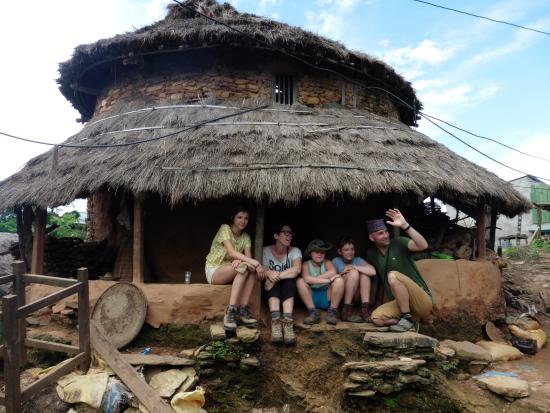
Apart from experiencing village life, tourists visiting Ramkot can also travel to nearby attractions, including Bandipur Bazaar, Keshavtar, and the religious site of Chhabdi Barahi. Its strategic location near established tourism destinations has made Ramkot increasingly popular among travellers seeking short rural excursions and overnight village stays. Tourism stakeholders say the village has strong potential to become one of Gandaki Province’s model rural tourism destinations if infrastructure and promotion are further improved.
Village Tourism Mart Promotes Rural Destinations
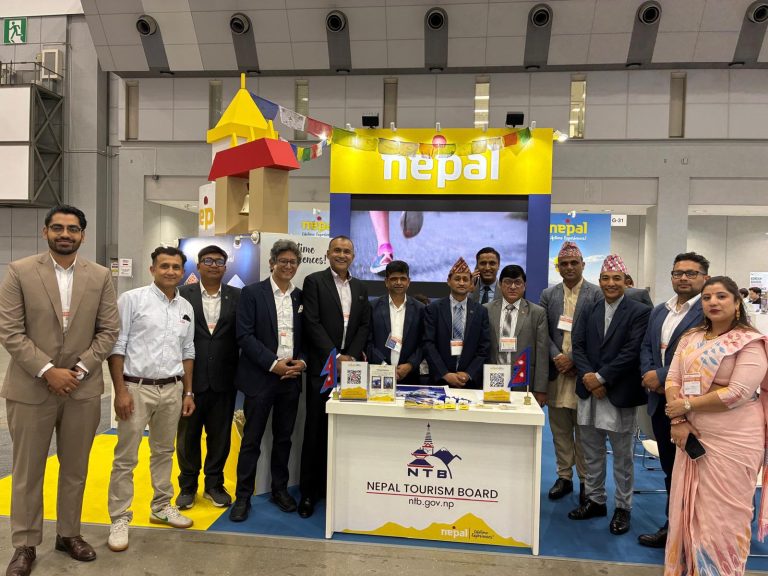
To promote village tourism across the region, the Nepal Tourism Board Gandaki Province Office and Bandipur Rural Municipality recently organised the Village Tourism Mart 2083 in collaboration with Village Tourism Promotion Forum (VITOF) Gandaki Province.
According to Maniraj Lamichhane, Chief of Nepal Tourism Board, Gandaki Province, the event aimed to strengthen rural tourism promotion and create business networking opportunities among homestay operators.
As part of the programme, journalists and tourism entrepreneurs were taken on familiarisation tours to villages such as Ramkot and Rumsi to showcase their tourism potential. Lamichhane expressed confidence that the tourism mart would help establish stronger professional partnerships among homestay operators while increasing exposure for emerging rural destinations.

Commitment Toward Sustainable Rural Tourism
The tourism mart concluded with a 10-point declaration focused on achieving the goal of “Prosperous Villages, Strong Tourism.” The declaration emphasized the importance of establishing village tourism as a key pillar of the national economy. The document also pledged to improve cleanliness, hospitality, and service quality at homestays through training and capacity-building programmes. Strategies were proposed to connect tourism with local agriculture, handicrafts, and indigenous products to create new income opportunities for rural communities.
Additionally, the declaration stressed the importance of increasing youth participation in village tourism by creating employment and entrepreneurship opportunities. Chairperson of VITOF Gandaki Province, Shobha Sapkota, said many villages across Gandaki possess strong tourism potential that remains underutilized. “There are many villages with immense tourism possibilities,” she said. “We need collective efforts to promote and develop them through sustainable village tourism.” For Ramkot, a village rich in culture, tradition, and hospitality, such efforts may soon transform it from a quiet rural settlement into one of Nepal’s most admired village tourism destinations.