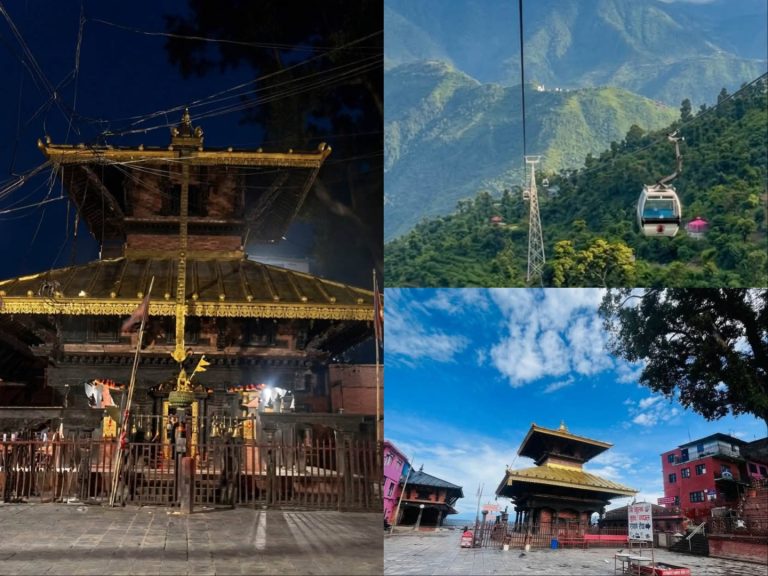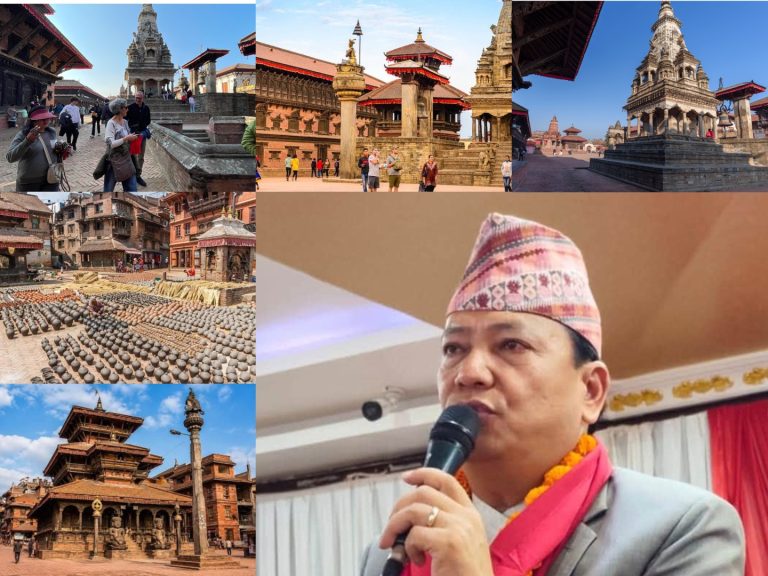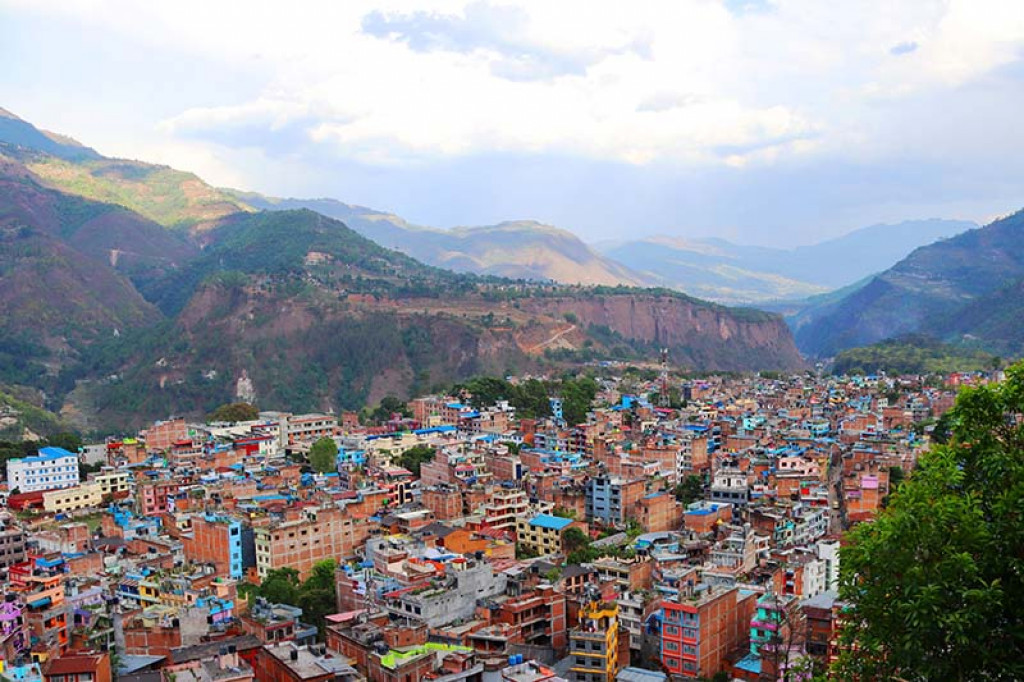
Narayan Chowk in Baglung Bazaar has recently become the center of cultural revival as the Hanuman Dance, a cherished traditional performance, is set to resume after a nine-year hiatus. On Monday, the sun set over the historic square, casting a golden glow on the old Lakshmi Narayan Temple and surrounding areas. The picturesque setting, complemented by traditional houses and the nearby Barpipal Chaudhari, evoked memories of Baglung’s rich past.
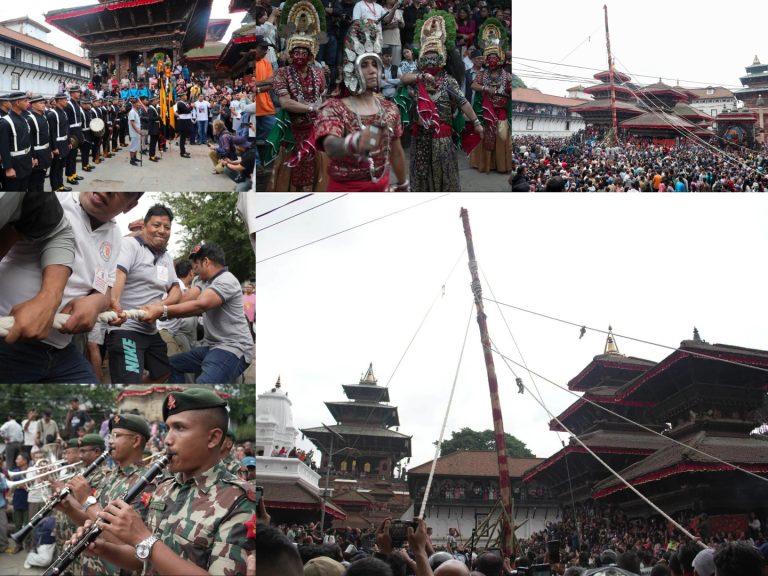
The broad alley adjacent to the temple and Chaudhari, known locally as ‘Akhada’ among the Newar community, was bustling with activity as locals gathered to witness the preliminary rehearsals for the Hanuman Dance. The atmosphere was filled with the rhythmic sounds of Mridanga and Jhyali (traditional drums), as young performers began their practice, showcasing their skills in traditional dance forms.
The Hanuman Dance, a vital part of Baglung’s cultural heritage, is scheduled to officially commence on Bhadra 11, marking the end of a nearly decade-long pause. This revival is part of a broader effort to preserve and pass on the art form to younger generations. The training for this performance, which began on Shrawan 1, will continue throughout the month and aims to equip the new generation with the skills and knowledge needed to keep the tradition alive.
Approximately 40 youths are undergoing intensive training under the guidance of experienced instructors. This year’s dance will feature significant participation from these young trainees, reflecting a renewed interest and dedication to preserving this cultural art. Additionally, 8 to 10 musicians will be selected to support the performance.
According to Tirtha Prasad Shrestha, Chairman of the Hanuman Dance Preservation Council, this year’s performance is noteworthy as it marks the first official staging since 2072 BS (2015 AD). The dance was last performed in 2063 BS (2006 AD), with the tradition of performing every three, five, seven, and nine years being adhered to. The event is set to begin on Bhadra 11 and will culminate with a final performance on the last Tuesday of Chaitra (March-April).
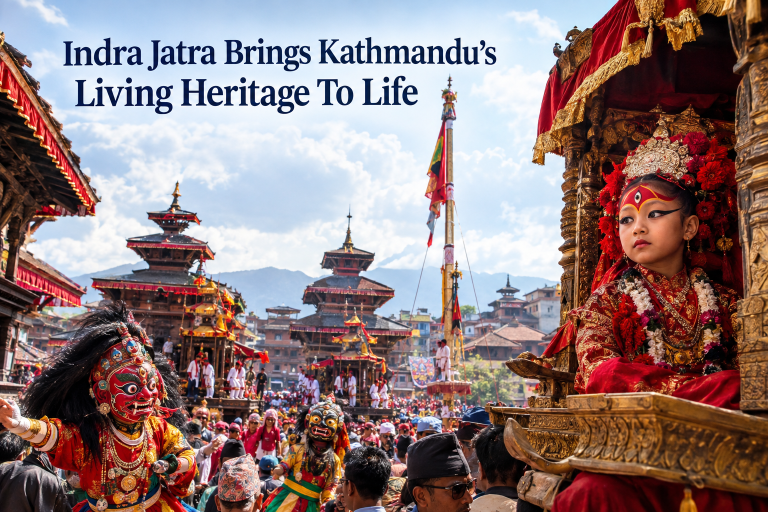
Traditionally, the Hanuman Dance starts following the installation of Hanuman’s idol and the completion of worship rituals at Narayan Chowk on the first or second Tuesday of Bhadra. A special worship ceremony and goat sacrifice are also conducted at the Bhimsen Temple on the same day. The dance, rooted in the mythology of Hanuman, is believed to bring strength, happiness, and prosperity to the community. It portrays Hanuman’s valor, bravery, discipline, and devotion through various rhythms and performances.
The Hanuman Dance, originating from Bhaktapur over 500 years ago, was brought to Baglung by Newar migrants. It features 13 pairs of dancers embodying Hanuman’s form, performing in diverse rhythms. The tradition, which started under King Bhupatindra Malla of Bhaktapur, has been preserved and adapted by the Newar community in Baglung, whose history in the region dates back nearly 350 years.
Eshwar Malepati, the chief organizer of the Hanuman Dance in Baglung, noted that while the dance was initially performed in various cities including Kathmandu, Bhaktapur, Pokhara, and Biratnagar, it is now predominantly preserved in Baglung and Beni. Due to the high number of participants required, including those for worship, costumes, and musical instruments, the dance involves significant costs.
The dance involves ten different rhythms and uses Palash sticks for their strength and acoustic properties. Performers, dressed as Hanuman, engage in stick fights and showcase heroic traits, often demonstrating ‘veer’ (heroic) characteristics. The choreography integrates various events from the Ramayana, depicting Hanuman’s feats and victories.
Cultural experts express optimism about the renewed interest in the Hanuman Dance among younger generations. The Hanuman Dance Preservation Council, established in 2046 BS (1989 AD), plays a crucial role in institutionalizing the preservation and promotion of this cultural heritage. Mukeshchandra Rajbhandari, Chairman of Nepal Language Manka Khal: Baglung, emphasized the importance of preserving such traditional practices amidst modern challenges. He highlighted the risks posed by migration and changing youth interests, stressing the need for ongoing efforts to safeguard these cultural practices.
The revival of the Hanuman Dance not only signifies a return of an important cultural event but also reflects the community’s commitment to preserving its rich heritage for future generations.