A series of midair disruptions involving Boeing 787 Dreamliners over the past three days has renewed global attention on aircraft safety and operational reliability, particularly following the recent deadly Air India crash in Ahmedabad.
At least four India-bound Boeing 787 flights operated by different international airlines were forced to interrupt their journeys and return to their departure airports after reporting technical or security-related concerns.
Lufthansa Flight Returns to Frankfurt Over Bomb Threat
One of the incidents involved a Lufthansa Boeing 787-9 Dreamliner operating from Frankfurt to Hyderabad on Sunday. The aircraft was forced to turn back midway through the flight following a suspected bomb threat.

According to aviation officials, Hyderabad Air Traffic Control (ATC) was informed that the aircraft would be returning to Frankfurt as a precautionary measure. The flight landed safely, and authorities later initiated standard security checks and investigations.
Air India Flight Turns Back Shortly After Takeoff
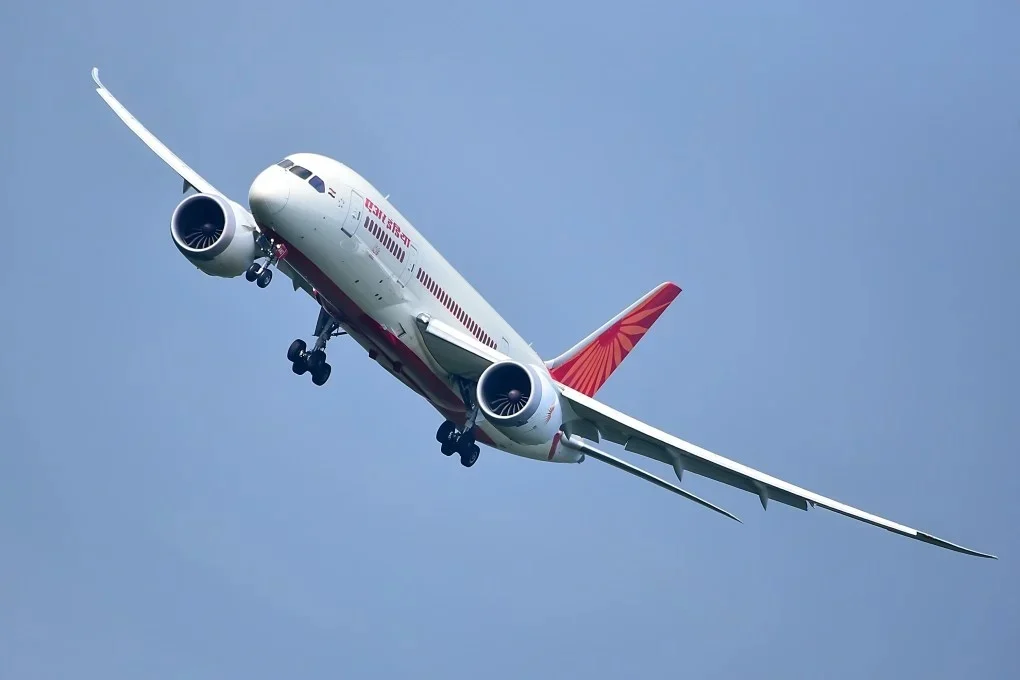
On Tuesday, Air India flight AI315 operating from Hong Kong experienced a technical issue just 15 minutes after departure, prompting pilots to return to the airport.
The Boeing 787-8 Dreamliner landed safely in Hong Kong without complications. Air India later confirmed the incident, stating only that the aircraft returned due to a “technical issue,” without disclosing further details.
Passengers were subsequently accommodated on alternative flights.
British Airways Dreamliner Dumps Fuel Before Emergency Return
In another incident on the same day, a British Airways Boeing 787 carrying 214 passengers from London Heathrow to Chennai was forced to abandon its journey after pilots detected a possible technical problem during flight.
As part of standard aviation safety procedures, the aircraft reportedly jettisoned fuel before safely returning to Heathrow Airport.
A spokesperson for British Airways stated that the aircraft returned “as a precaution following reports of a technical issue,” emphasizing that the situation did not involve an emergency landing.
Engine Problem Delays Air India San Francisco–Mumbai Flight
A separate Air India Boeing 787 operating between San Francisco and Mumbai also faced operational difficulties this week. During a scheduled stop in Kolkata, passengers were asked to disembark after engineers identified a malfunction in the aircraft’s left engine.
The issue caused several hours of delay for passengers continuing to Mumbai. Preliminary reports suggest the aircraft may not have been properly configured during takeoff procedures, although investigations are ongoing.
Incidents Follow Deadly Ahmedabad Crash
The recent spate of incidents comes shortly after the tragic crash of an Air India Boeing 787-8 Dreamliner in Ahmedabad, which reportedly claimed more than 270 lives shortly after takeoff.
The accident has intensified scrutiny of Boeing’s widebody Dreamliner program, especially as multiple safety complaints and whistleblower allegations have surfaced over the past several years.
Whistleblower Allegations Continue to Shadow Dreamliner Program
Concerns surrounding the Boeing 787 are not new. In 2019, former Boeing quality manager John Barnett publicly alleged that manufacturing shortcuts and quality control issues affected the Dreamliner production process.
According to reports, Barnett claimed that some aircraft components were improperly installed and that quality inspections were inadequate during assembly operations.
Further controversy emerged in January 2024 when another whistleblower alleged that sections of the Dreamliner fuselage contained structural gaps and faulty connections that could potentially compromise the aircraft during long-term operations.

Boeing has repeatedly defended the safety of the 787 program, maintaining that all aircraft meet strict regulatory and engineering standards established by aviation authorities worldwide.
Aviation Industry Monitoring Developments Closely
Despite the recent incidents, aviation experts note that precautionary returns and technical diversions are standard safety practices in commercial aviation and do not necessarily indicate systemic failures.
However, the concentration of multiple Dreamliner-related incidents within a short period has raised concern among passengers and industry observers alike. Airlines and aviation regulators are expected to continue monitoring Boeing 787 operations closely as investigations into the recent incidents progress.