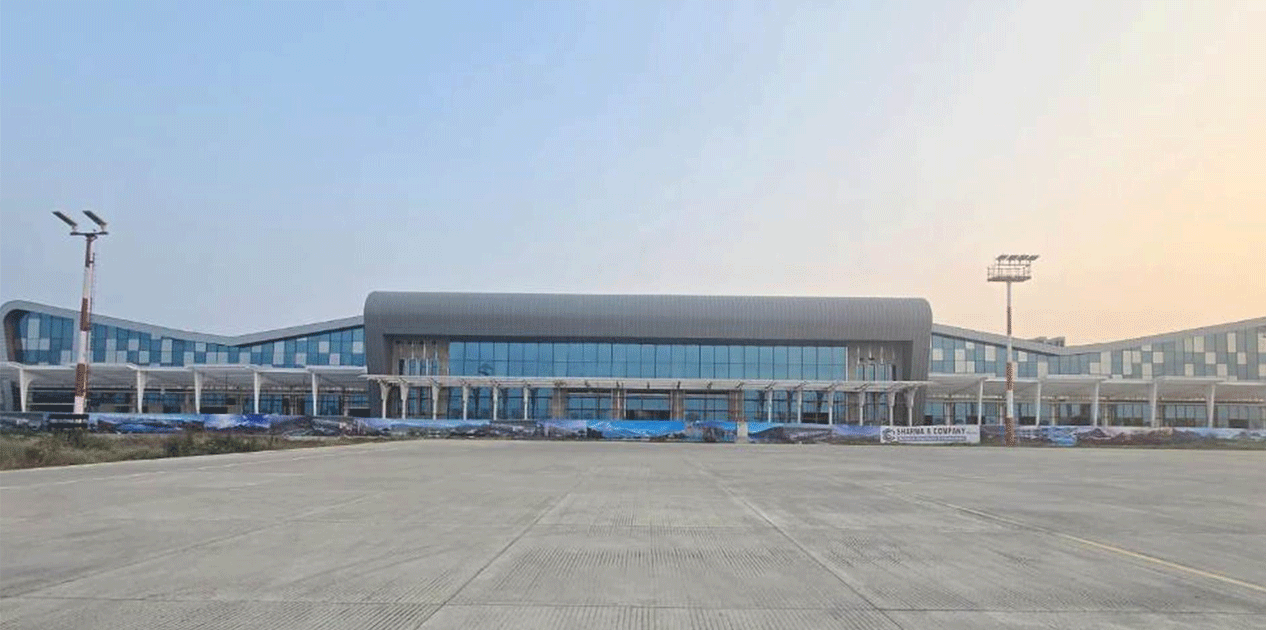
A modern, fully equipped terminal building at Ranjha Airport in Nepalgunj has been completed two months ahead of schedule, marking a major milestone in Nepal’s aviation infrastructure development. According to Nal Bikram Thapa, Project Chief of the Nepalgunj Airport Terminal Building Project, construction began in Poush 2079 (December 2022) and was originally scheduled to be completed by Poush 2082 (January 2026). However, the construction company successfully completed the work two months early.
Thapa confirmed that the project’s construction phase is now finished and that the building will be officially handed over to the Civil Aviation Authority of Nepal (CAAN) within a few days. Following the handover, a team of technical experts from CAAN will conduct an on-site inspection before the terminal becomes operational.

Ready for Operation Within Two Weeks
Project Chief Thapa stated that once the expert inspection is completed, equipment such as X-ray machines and other passenger handling facilities from the old terminal will be transferred to the new one. “We plan to start services from the new building within the next 15 days,” he said.
Designed and built in accordance with international airport standards, the new terminal is suitable for both domestic and potential future international flights. “This terminal is not only a significant upgrade for domestic air travel but also a step toward accommodating future cross-border connectivity,” Thapa added.
Cost, Design, and Facilities
The terminal was built at a total cost of NPR 2.74 billion (excluding VAT). The new building is a three-story structure with a semi-basement, spanning 5,075 square meters. The semi-basement level has been constructed for commercial purposes, featuring 24 retail shops that will cater to passengers and visitors.
Inside the terminal, travelers will find 14 security check counters, three VIP rooms, a children’s play area, and dedicated rooms for customs and quarantine inspections. The facility has been designed to provide efficient and comfortable passenger movement, capable of handling up to 628 passengers per hour.
Built with Future International Operations in Mind
Keeping in view the potential for future international flights, the terminal includes separate entry and exit gates for domestic and international passengers. This forward-looking design ensures that Nepalgunj Airport can be easily upgraded to an international airport in the coming years without major structural modifications.
In addition to the terminal, the surrounding infrastructure has also been significantly improved. The premises include landscaped gardens, internal roads ranging from 5 to 14 meters in width, and a modern drainage system to handle wastewater and rainwater runoff efficiently.
Aircraft Parking and Airside Improvements
The project also includes the construction of a new apron (aircraft parking area) adjacent to the terminal building. The apron can accommodate three ATR-72 aircraft and five Twin Otter planes simultaneously, enhancing the airport’s operational capacity. “This development will help manage increased air traffic, particularly during peak travel seasons, while maintaining safety and efficiency standards,” said Project Chief Thapa.

A Boost for Western Nepal’s Aviation and Tourism
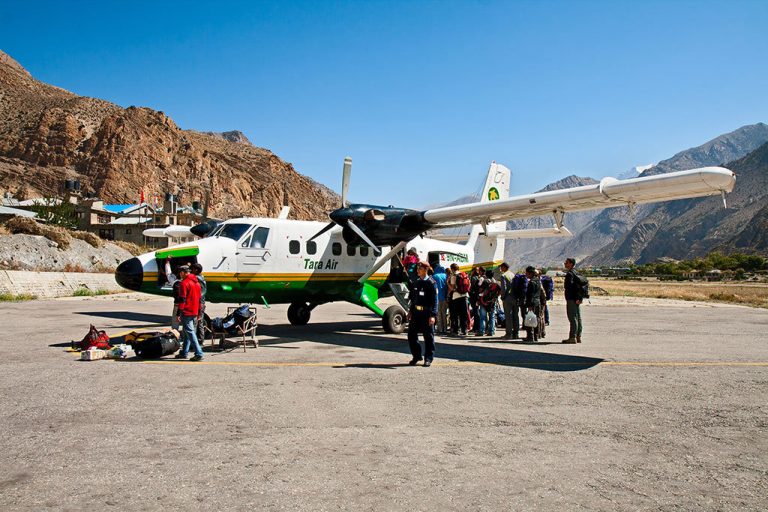
The completion of the terminal building is expected to significantly improve passenger experience and flight operations in western Nepal. As the largest airport in the region, Nepalgunj serves as a gateway for flights to remote mountain districts such as Dolpa, Humla, Jumla, and Mugu, as well as a vital link for travelers heading toward India and western Nepal’s tourism destinations.
Once operational, the new terminal will not only enhance comfort and efficiency for domestic travelers but also strengthen Nepalgunj’s position as a regional aviation hub, paving the way for future international flight operations and tourism expansion. The early completion of the project stands as a testament to effective project management and technical execution, reflecting Nepal’s growing capability in modern infrastructure development within the aviation sector.