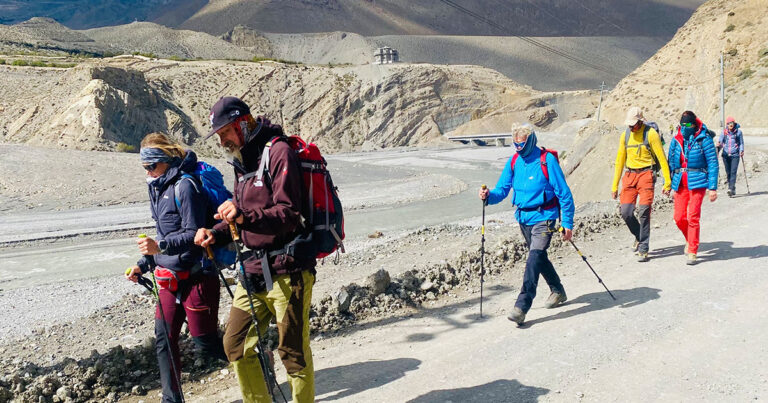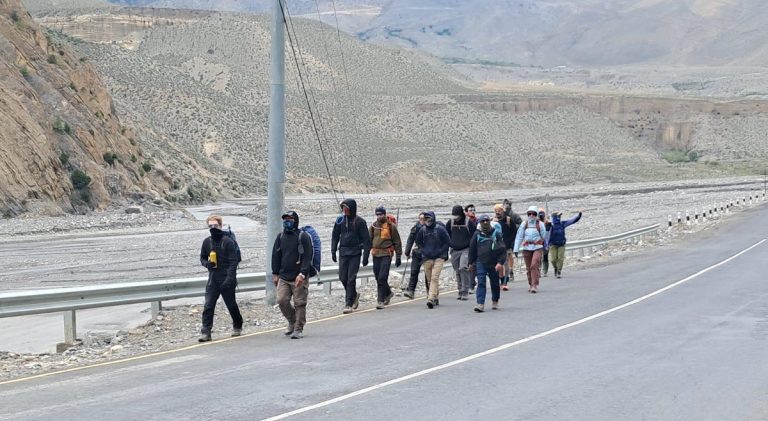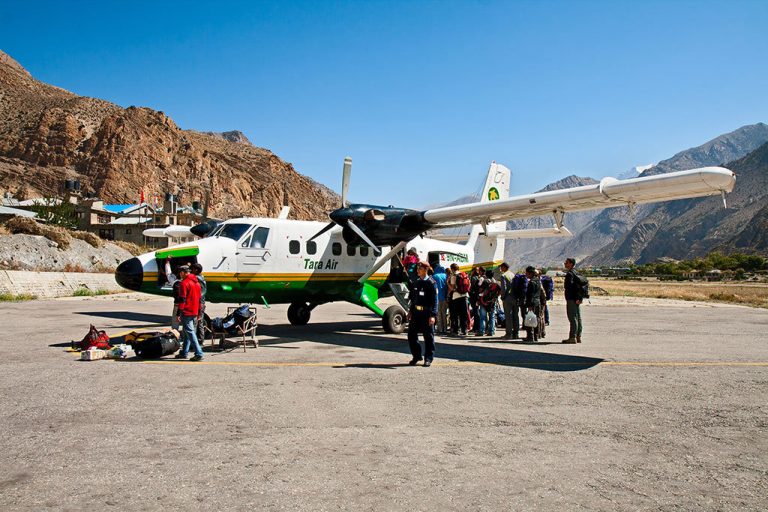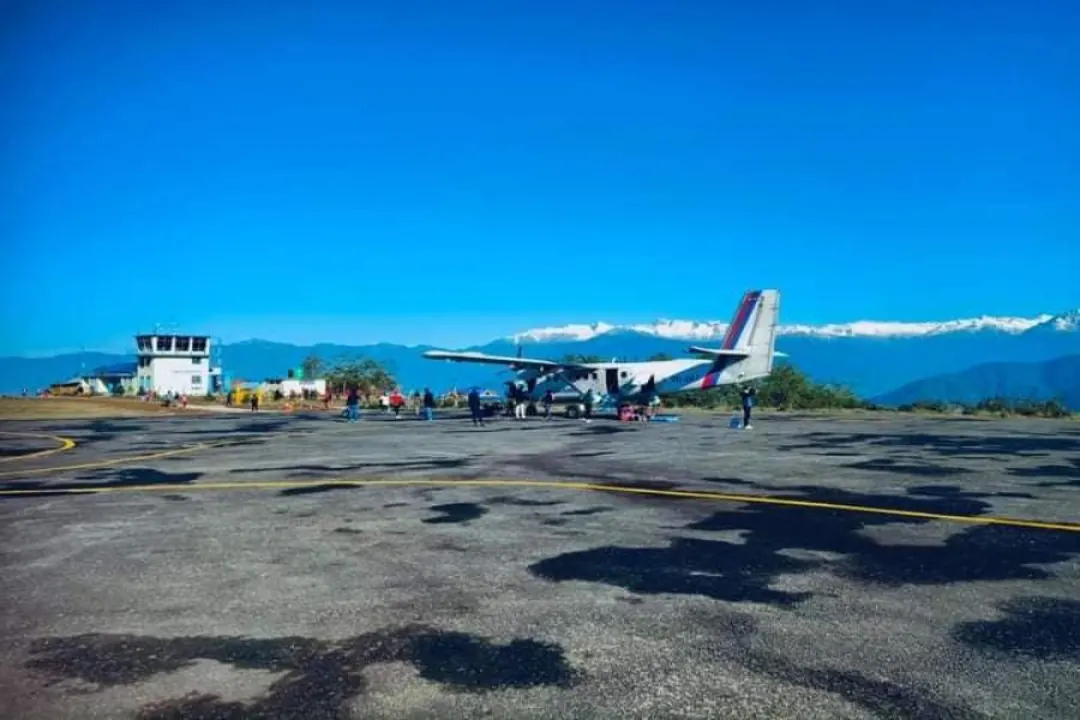
Taplejung, a scenic Himalayan district in eastern Nepal and home to the world’s third-highest peak, Kanchenjunga, is facing mounting difficulties due to the inconsistent operation of Suketar Airport, a key air gateway to the region. The airport serves as a crucial link for residents, trekkers, and pilgrims visiting destinations like Pathibhara Devi Temple, but its prolonged non-functionality has triggered serious concerns for local communities and the tourism sector.
Airport Operations Hindered for Years
Built in 1976, Suketar Airport initially facilitated regular flights that connected Taplejung to the rest of Nepal. Over the years, however, services have become increasingly unreliable, with frequent disruptions due to adverse weather and the unavailability of aircraft. Most recently, Nepal Airlines Corporation suspended flights after several of its planes were sent for maintenance, leaving Suketar without air service for the past two months.
During the monsoon season, covering Jestha, Shrawan, Bhadra, and early Ashoj, aircraft landings at Suketar are often impossible due to heavy rainfall, fog, and strong winds. Even when weather conditions improve, flights remain irregular because of operational challenges, leaving both residents and tourists in difficult situations.

Impact on Residents and Health Services
The airport’s unreliability has directly affected the lives of locals, particularly in remote villages. Many residents rely on air transport to access medical facilities in Dharan or Kathmandu, especially for critically ill patients. With flights canceled repeatedly, they are often forced to undertake long and perilous road journeys, navigating mountainous terrain. Tragically, there have been reported cases where patients lost their lives during such arduous trips, highlighting the human cost of inadequate air connectivity.
Beyond health emergencies, everyday life for residents is also disrupted. Supplies, mail, and goods that previously relied on air transport now face delays, creating logistical challenges for businesses and communities in Taplejung.
Tourism Sector Faces Severe Setbacks
The tourism industry, a vital part of Taplejung’s economy, has also suffered significantly. Domestic and international visitors planning treks to Kanchenjunga Base Camp, visits to Pathibhara Temple, or other trekking routes frequently encounter flight cancellations, leading to postponed trips and dissatisfaction among tourists.
Local businesses, including hotels, restaurants, trekking agencies, and souvenir shops, depend heavily on consistent tourist inflows. The airport’s operational uncertainty has resulted in declining bookings, reduced income for families dependent on tourism, and overall economic slowdown in the region.
Urgent Call for Action from Locals and Stakeholders
Residents and tourism stakeholders are increasingly vocal about the urgent need for reliable air services at Suketar Airport. They emphasize that restoring consistent flights is critical not only for tourism but also for the well-being and safety of residents.
Local entrepreneurs and trekking operators have called on authorities to ensure the maintenance and timely availability of aircraft, improve weather monitoring systems, and establish contingency plans to prevent future service interruptions. Many argue that investment in modern infrastructure, including navigational aids and weather-resistant facilities, would enhance operational reliability and attract more tourists.
Importance of Air Connectivity for Remote Himalayan Regions
Suketar Airport is more than a transport hub, it is a lifeline for remote Himalayan communities. Reliable air connectivity allows rapid movement of people, goods, and emergency services, reducing travel time in challenging mountainous terrain. For a district like Taplejung, where road access is limited and travel can be treacherous, a functional airport is essential for sustainable development.
Tourism experts highlight that consistent flight operations could significantly boost visitor numbers, particularly for high-value adventure and cultural tourism. Visitors seeking to trek in Kanchenjunga’s pristine landscapes or visit sacred sites would benefit from predictable schedules, while local businesses could stabilize operations and plan long-term investments.
Challenges and Potential Solutions
The operational challenges at Suketar Airport are multifaceted. Weather unpredictability, limited infrastructure, and aircraft availability combine to create service interruptions. Experts suggest that modernizing the airport with enhanced navigation systems, all-weather landing facilities, and improved coordination between airlines and the Civil Aviation Authority of Nepal could reduce flight cancellations.
Moreover, having standby aircraft and well-trained pilots familiar with high-altitude, short-runway operations would improve reliability. Public-private partnerships could also play a role in ensuring that airlines maintain scheduled services to critical remote airports like Suketar.
Looking Ahead: A Sustainable Future for Taplejung Tourism
Restoring reliable air service at Suketar Airport is crucial for Taplejung’s economic and social development. With its natural beauty, trekking routes, and cultural landmarks, the district has the potential to attract thousands of tourists annually. Predictable flights would enhance safety, encourage tourism growth, and support local livelihoods.

Authorities and aviation stakeholders are urged to take immediate action to revive and maintain regular flights, ensuring that both residents and visitors can access Taplejung safely and efficiently. Community leaders hope that with proper planning and investment, Suketar Airport can once again become a gateway that connects Taplejung to the rest of Nepal and the world.
The prolonged disruption of flights at Suketar Airport underscores the vulnerability of remote Himalayan communities to inadequate transportation infrastructure. Residents face health risks, tourists encounter inconvenience, and local businesses struggle economically. Addressing these challenges through better infrastructure, aircraft availability, and weather-resilient operations is essential to revitalize Taplejung’s tourism sector and safeguard the well-being of its people.
With coordinated efforts from authorities, airlines, and local stakeholders, Suketar Airport can regain its vital role as a lifeline for Taplejung, supporting tourism, trade, and community development in eastern Nepal.