A feasibility study for a new tourist trekking trail connecting Sunapati Rural Municipality of Ramechhap and the Sailung region of Dolakha has been completed, identifying strong potential to develop the area as an integrated tourism destination. The four-day field study, organized by the Nepal Tourism Board, concluded that the region, rich in religious, cultural, historical, and natural heritage, can be developed into a unified tourism circuit capable of attracting both domestic and international visitors.

Field Study Assesses Tourism Infrastructure and Potential Sites
The study, conducted under the proposed “Dunhu-Sunapati Danda–Sailung Trail,” focused on assessing tourism assets, accessibility conditions, infrastructure status, and development opportunities across Ramechhap and Dolakha districts. According to NTB Senior Officer Gopal Bhandari, who participated in the field visit, the team systematically observed key destinations and evaluated their tourism readiness for future development. The journey began from Kathmandu and passed through the sacred Kusheshwar Mahadev Temple in Sindhuli before entering Sunapati Rural Municipality and continuing toward various sites in the Sailung region.
Key Attractions Along the Proposed Trail
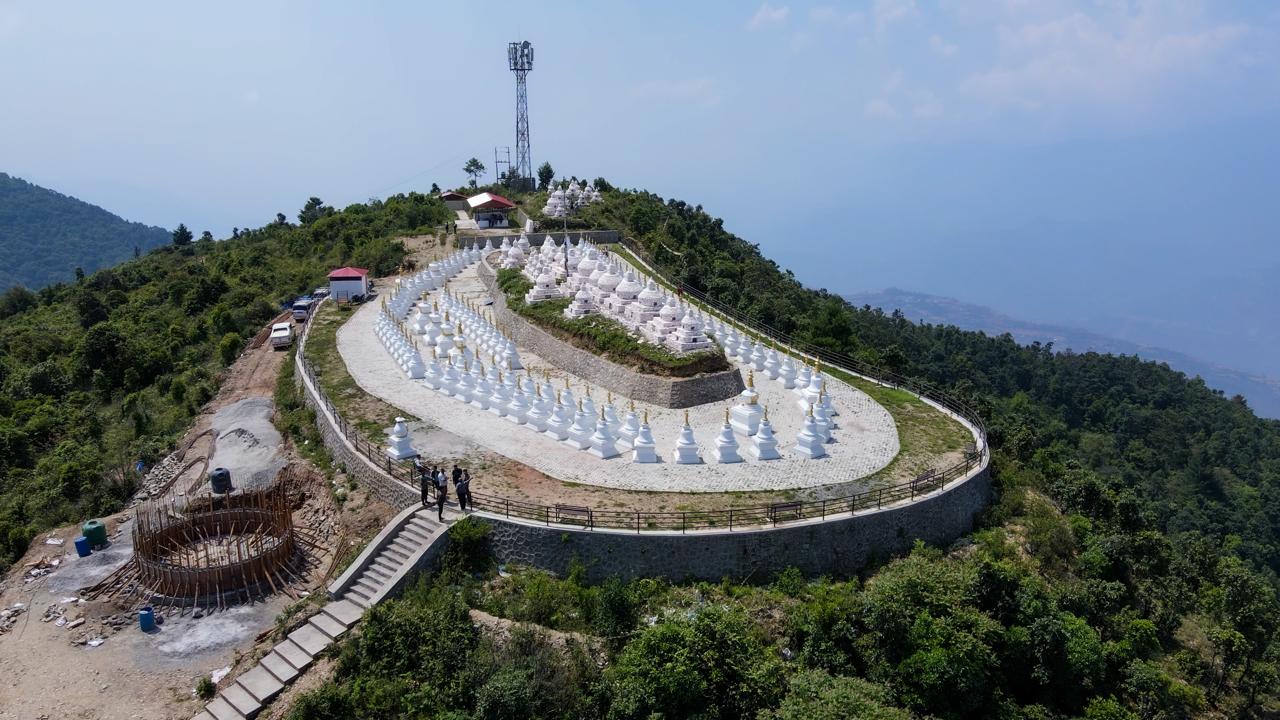
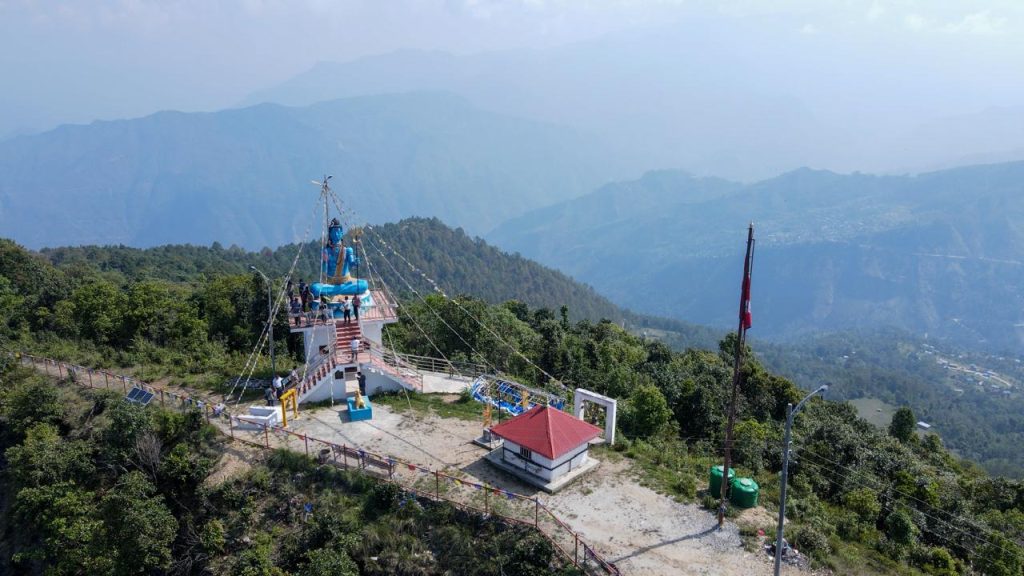
During the study, the team explored multiple potential tourism sites in Sunapati, including religious and cultural heritage locations, scenic tea gardens, and the well-known Lakhpatimane Hill, which offers strong tourism appeal due to its panoramic views and natural landscape. Similarly, the team conducted an in-depth assessment of Sailung, one of the most significant high-altitude destinations shared between Ramechhap and Dolakha districts.
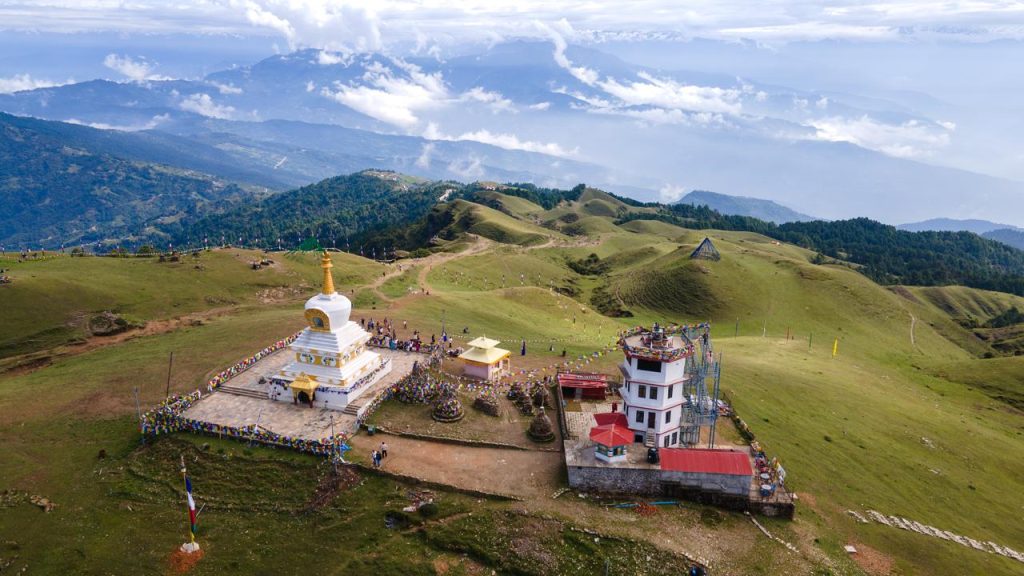
The region, located at an elevation of over 3,000 meters above sea level, is widely recognized for its religious significance to both Hindu and Buddhist communities, as well as its natural beauty, trekking opportunities, and adventure tourism potential. Both Sano Sailung and Thulo Sailung were identified as key attractions with strong potential for eco-tourism, spiritual tourism, and hiking activities.
Local Community Welcomes Tourism Development Initiative
During the field visit, the study team was warmly welcomed by residents in Lamagaun of Sunapati Rural Municipality. Local communities showcased traditional cultural performances, including Dhime music, Tamang Damphu dance, and cultural processions, reflecting strong community engagement and enthusiasm toward tourism development. The study team noted that the participation and hospitality of residents demonstrated a positive attitude toward tourism-led economic development in the region.
Local Government Prioritizes Tourism Development
Sunapati Rural Municipality Chairperson Tulo Kanchha Tamang stated that the local government has prioritized tourism as a key driver of economic development. He said that efforts are being made to improve tourism infrastructure, manage trekking routes, and preserve local cultural heritage in a sustainable manner. He also expressed confidence that the initiative led by the Nepal Tourism Board would significantly contribute to elevating tourism development in both Ramechhap and Dolakha districts.
Emphasis on Sustainable and Community-Based Tourism
NTB officials Gopal Bhandari, Robin Regmi, and Pradeep Gaire emphasized the importance of balancing tourism development with environmental conservation and cultural preservation. They highlighted that sustainable tourism development requires coordinated efforts between government agencies and local communities to ensure long-term benefits.
According to them, promoting responsible tourism practices will not only help preserve natural and cultural assets but also improve local livelihoods and income opportunities. They further stressed that integrated planning is essential to ensure that tourism growth does not negatively impact fragile ecosystems and heritage sites.
Sailung Emerging as Popular Domestic Tourism Destination
In recent years, Sailung has emerged as a popular short-distance trekking and weekend destination for domestic tourists, particularly from Kathmandu. Local hotel entrepreneur Dhawa Lama said that the area currently receives around 3,000 to 4,000 visitors per month. He added that homestay services, local cuisine, cultural experiences, and natural landscapes have significantly contributed to increasing tourist stay duration in the region.

Expectation of New Tourism Corridor Development
Officials believe that the feasibility study will serve as an important foundation for future planning, infrastructure development, and tourism promotion initiatives. The proposed Sunapati–Sailung trekking trail is expected to create a new tourism corridor linking Ramechhap and Dolakha, enhancing connectivity between cultural and natural attractions. Stakeholders anticipate that the development of this trail will contribute to regional tourism growth, community income generation, and the overall expansion of Nepal’s rural tourism sector.