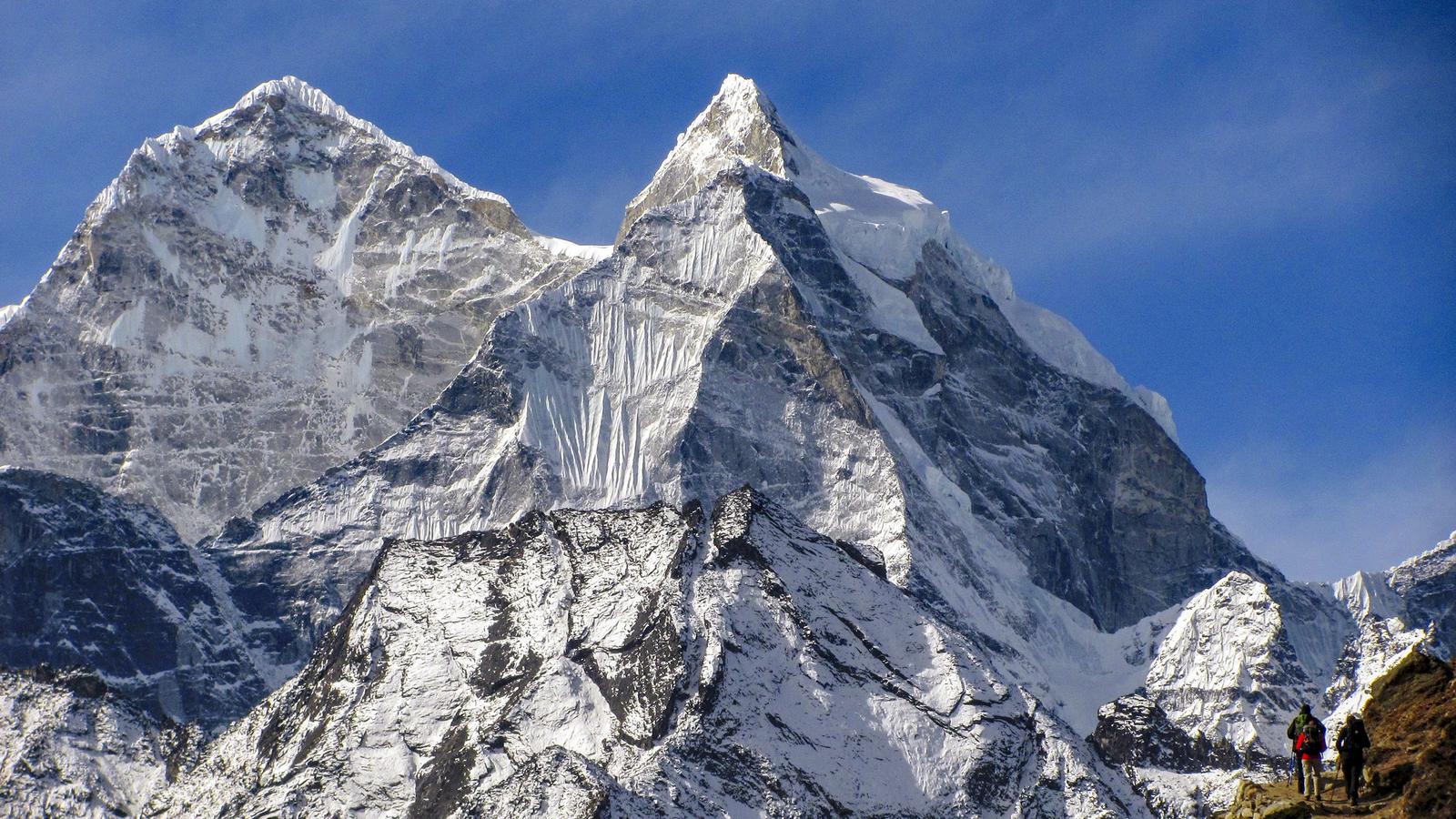
The historic ascent of Annapurna I, the world’s first climbed 8,000-meter peak, remains one of the defining moments in Nepal’s mountaineering and tourism history. More than seven decades after French climbers Maurice Herzog and Louis Lachenal successfully stood atop the 8,091-meter summit on June 3, 1950, tourism stakeholders in Gandaki Province are preparing to commemorate the 76th anniversary of the achievement through a unique rural tourism-focused celebration in Lamjung district.
The Trekking Agencies’ Association of Nepal (TAAN) Gandaki has announced that this year’s Annapurna Ascent Day celebration will not only honor the historic mountaineering milestone but will also spotlight emerging tourism destinations that remain largely unexplored despite their immense natural and cultural potential.
The two-day event, scheduled for June 3 and 4, 2026, will be organized in Shree Manjang of Dordi Rural Municipality–3 in Lamjung district. The program will include a farm trip, interaction sessions, rural homestay experiences, tourism discussions, and trekking activities along the Bhoteodar–Shree Manjang–Lamagau trail. According to TAAN Gandaki officials, the initiative represents a shift in strategy from merely commemorating mountaineering history toward actively promoting sustainable and inclusive tourism development in rural Nepal.
Celebrating History While Looking Toward the Future
For Nepal’s tourism sector, the first successful ascent of Annapurna I marked the beginning of the country’s recognition as a premier destination for adventure tourism. The climb by the French expedition opened global attention toward Nepal’s Himalayan landscapes, mountaineering opportunities, and trekking routes long before Everest became an international climbing sensation. Tourism entrepreneurs believe the anniversary is therefore not just symbolic but deeply connected to the evolution of Nepal’s modern tourism industry.

“Over the years, Annapurna Ascent Day celebrations have mainly been centered around the traditional trekking regions of Myagdi and the established Annapurna trails. This year, however, we wanted to take the celebration to a destination that has immense tourism potential but has not yet received the attention it truly deserves,” said Krishna Prasad Acharya, President of TAAN Gandaki.
He explained that the main objective behind organizing the 76th Annapurna Ascent Day program in Shree Manjang of Lamjung is to promote tourism diversification and highlight emerging rural destinations that remain outside mainstream tourism circuits despite their natural beauty, cultural richness, and trekking possibilities.
“Our vision is not limited to commemorating the historic ascent of Annapurna I alone. We also want to use this occasion as a platform to introduce new and alternative trekking destinations to domestic and international travelers, trekking agencies, tourism entrepreneurs, and other stakeholders connected to Nepal’s tourism industry,” Acharya said.
According to him, many rural areas in Gandaki Province possess extraordinary tourism potential but have remained overshadowed by commercially established trekking hubs. He emphasized that Shree Manjang offers stunning Himalayan views, authentic Gurung culture, peaceful surroundings, and the possibility of developing sustainable trekking networks that could benefit local communities directly.
He added that TAAN Gandaki aims to connect the Shree Manjang–Lamagau route with nearby destinations such as Lipe Hill, Mame Pokhari, Ghalegaun, Pasgaun, and the Buddha Himal and Manaslu regions in the future, potentially creating a larger trekking circuit capable of attracting both domestic and international tourists. “Our long-term goal is to develop an integrated trekking network that combines adventure tourism, cultural experiences, rural hospitality, and natural beauty. Through this initiative, we want tourism benefits to reach local communities directly and contribute to sustainable rural economic growth,” Acharya added.
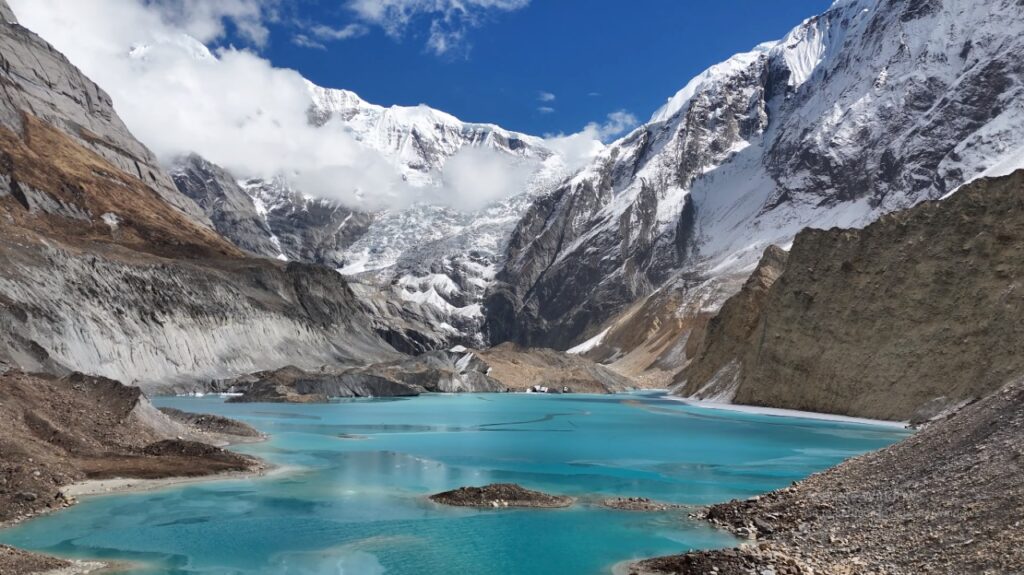
Why Shree Manjang Was Chosen
Situated at an elevation of approximately 2,012 meters above sea level, Shree Manjang offers sweeping panoramic views of several Himalayan ranges, including Annapurna, Lamjung Himal, and Manaslu. Organizers say the area’s untouched landscapes, Gurung culture, and accessibility from Pokhara make it an ideal destination for developing new trekking circuits.
One of the major attractions of the village is its spectacular sunrise and sunset views over the Himalayan range. Tourism experts involved in the program say the location provides a unique combination of mountain scenery, peaceful rural environment, and authentic local hospitality that could appeal strongly to international trekkers seeking alternatives to crowded routes.
TAAN Gandaki believes the region can be integrated into broader trekking networks connecting nearby destinations such as Ghalegaun, Bhujung, Pasgaun, and the Annapurna region. Such connectivity, they say, would help diversify tourism flows and reduce pressure on heavily commercialized trekking trails. Organizers also see the area as an opportunity to revive interest in traditional trekking culture at a time when many historic trails are disappearing due to rapid road expansion across mountain districts.
Focus on Alternative Trekking Trails
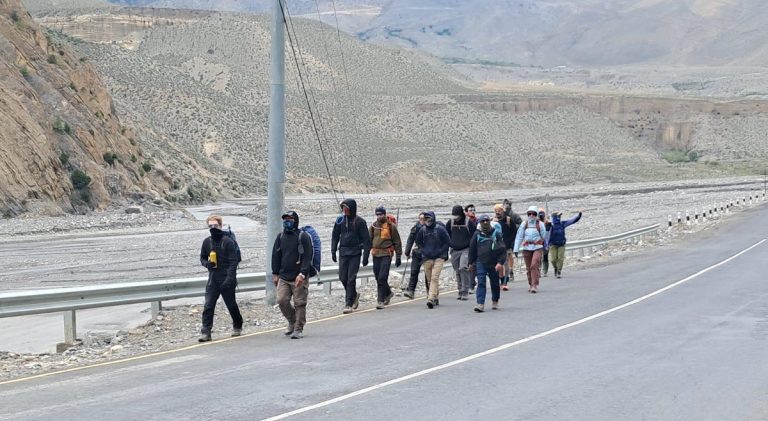
The growing construction of roads in Nepal’s hill and mountain regions has significantly altered traditional trekking experiences over the past decade. Several long-established trekking routes have either been shortened considerably or lost their appeal due to vehicular access.
Tourism entrepreneurs and trekking operators have increasingly expressed concern that unmanaged road expansion could weaken Nepal’s identity as a world-class trekking destination. Against this backdrop, TAAN Gandaki says identifying and promoting alternative trails has become an urgent priority.
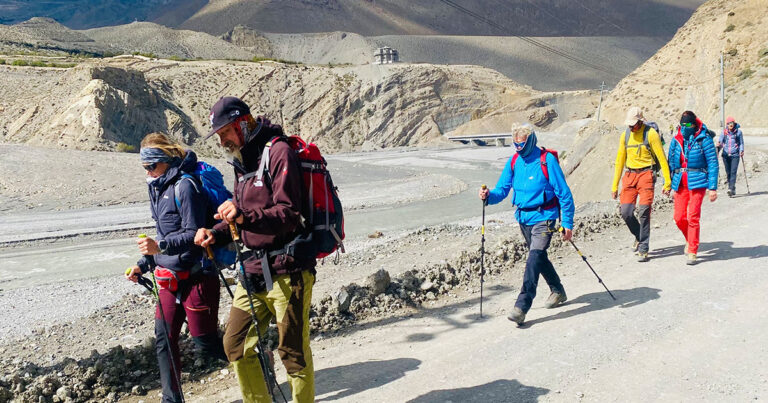
The Shree Manjang–Lamagau trekking corridor is being promoted as one such alternative route capable of offering authentic village experiences, natural beauty, and adventure tourism opportunities without the overcrowding seen in some established trekking destinations.

Tourism planners involved in the initiative have proposed connecting the route with nearby attractions such as Lipe Hill, Mame Pokhari, Buddha Himal Circuit Trek, and even sections of the Manaslu region. If developed systematically, stakeholders believe the area could support a larger four-to-five-day trekking package that combines culture, nature, and adventure. The association also aims to encourage trekking agencies to include these routes in their commercial itineraries and promote them in both domestic and international tourism markets.
Promoting Rural Economy Through Tourism
TAAN Gandaki has emphasized that the celebration is rooted in the belief that rural tourism can become a strong foundation for local economic growth. With the slogan focusing on tourism infrastructure as a pathway to economic prosperity, the organization has consistently advocated for tourism-led rural development through trekking, homestays, and community-based tourism initiatives.
Local communities in Shree Manjang and surrounding villages are expected to host participants through homestay programs during the event. Organizers believe such programs directly benefit local families while preserving indigenous culture and traditions. The Gurung community’s traditional lifestyle, cuisine, music, dance, and hospitality are expected to be central attractions during the program.
Tourism experts say community-based tourism models have the potential to generate employment, discourage youth migration, and create sustainable income opportunities in remote villages. By bringing tourism entrepreneurs, media personnel, government representatives, and tourism organizations into the region, the event is also expected to attract future investment in tourism infrastructure and services.
Climate Change Discussion to Take Center Stage
Apart from tourism promotion, climate change and global warming will be key themes of this year’s Annapurna Ascent Day celebration. Mountain tourism stakeholders have increasingly raised concerns about the visible impact of climate change on Himalayan ecosystems, glaciers, trekking routes, and local livelihoods.
The event will include interaction sessions and discussions among tourism professionals, local stakeholders, environmental experts, and government representatives regarding the long-term challenges facing Nepal’s mountain tourism industry. Organizers say discussions will focus on sustainable tourism practices, environmental conservation, and strategies for protecting fragile mountain ecosystems while continuing tourism development. The program also seeks to encourage environmentally responsible tourism planning in emerging trekking destinations before large-scale commercialization takes place.
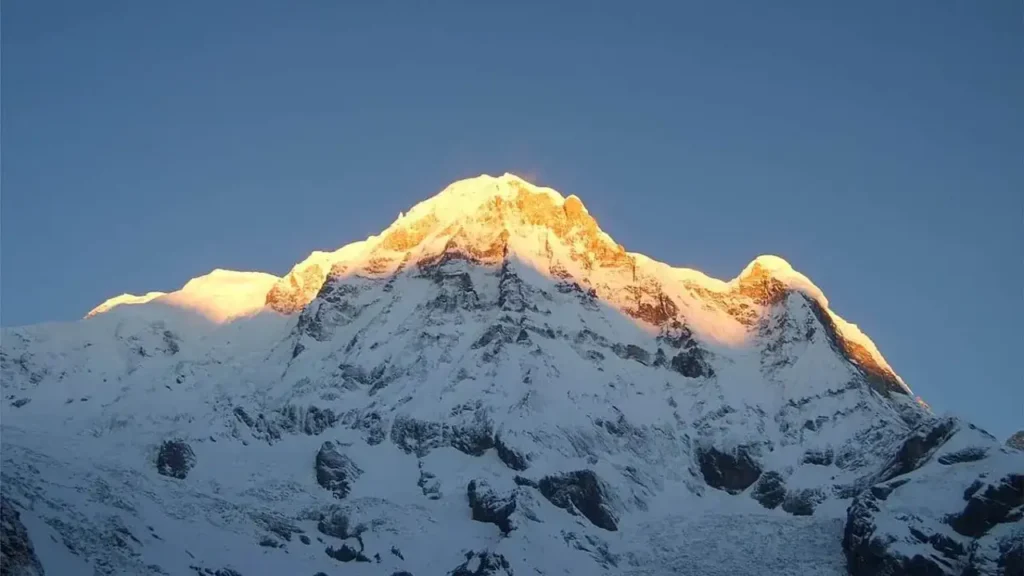
Wide Participation Expected
The event is being organized with support from the Ministry of Industry and Tourism of Gandaki Province and the Nepal Tourism Board’s Gandaki Provincial Office. Dordi Rural Municipality is coordinating locally, while Siddhartha Bank Limited and Gandaki Province Office have joined as the banking partner for the program.
According to organizers, around 100 participants are expected to attend the two-day event. The attendees will include representatives from the provincial government, Nepal Tourism Board, TAAN Gandaki executive committee members, trekking entrepreneurs, local government officials, Annapurna Conservation Area Project representatives, tourism associations, journalists, and community leaders. The event is expected to combine formal discussions with experiential tourism activities, allowing participants to directly explore the trekking routes and tourism potential of the region.
Honoring Annapurna’s Legacy
For Nepal, Annapurna I’s successful ascent remains more than just a mountaineering achievement. It symbolizes the beginning of the country’s journey as one of the world’s leading destinations for trekking and adventure tourism. As Nepal continues searching for new tourism opportunities beyond traditional hotspots, organizers say commemorating the 76th anniversary in a lesser-known Himalayan village carries powerful symbolic meaning.
By celebrating the legacy of Annapurna in Shree Manjang rather than established trekking centers, tourism stakeholders hope to send a clear message: Nepal’s future tourism growth lies not only in famous destinations but also in the hidden villages, unexplored trails, and living cultures spread across the Himalayas.
With rural tourism, sustainable trekking, and environmental awareness at the center of this year’s program, the Annapurna Ascent Day celebration is expected to serve both as a tribute to mountaineering history and as a roadmap for the future direction of Nepal’s tourism industry.